1 week ago
Supreme Court Seeks West Bengal Electoral Appeals Data
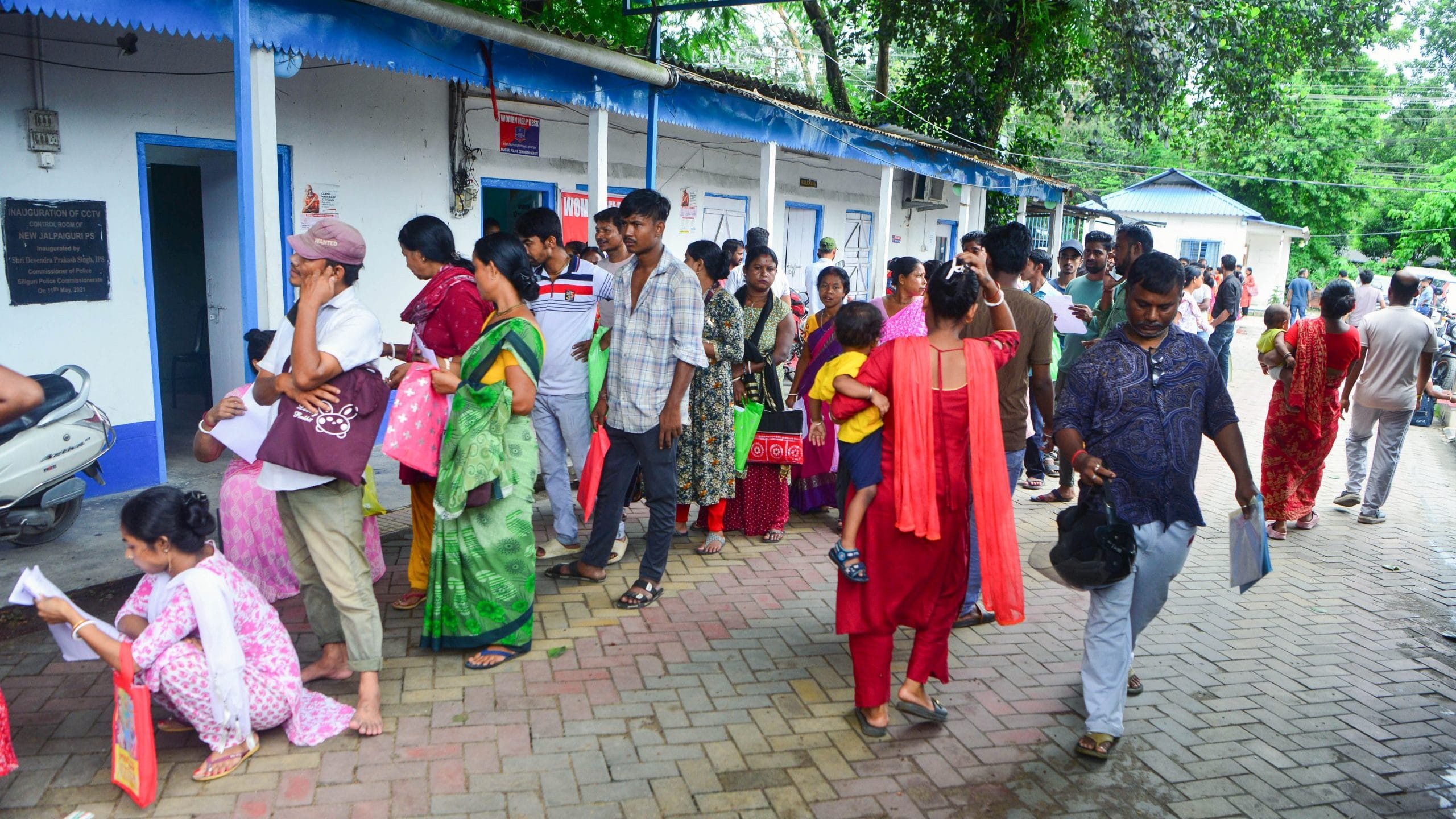
West Bengal changed its voter lists through a process called a Special Intensive Revision.
Some people appealed because their names were removed or added.
The Supreme Court wants the Election Commission to show how many appeals are waiting and how many have been decided.
It also wants the appeals grouped by the type of voter involved.
Petitioners said people cannot easily find this information.
They also warned that people whose names were removed might not be able to vote in upcoming local elections.
The Election Commission said it is working with tribunals to make the process faster.
The court may consider creating more tribunals if necessary.

The Supreme Court directed the Election Commission to provide data on pending and disposed appeals related to West Bengal electoral-roll changes.
The data must distinguish appeals by excluded voters, included voters and cross-appeals.
The Election Commission must explain steps to streamline disposal and the number of additional tribunals needed.
Petitioners said appeal information was not publicly available and warned deletions could affect upcoming municipal and panchayat elections.
Around 700 judicial officers handled about 60 lakh claims and objections, while 19 appellate tribunals were established to hear appeals.
- Who
- The Supreme Court, the Election Commission, petitioners and appellate tribunals are involved.
- What
- The Supreme Court directed the Election Commission to submit data on pending and disposed appeals against electoral-roll inclusion or exclusion after West Bengal’s Special Intensive Revision.
- Where
- The hearing took place in New Delhi, concerning electoral-roll appeals in West Bengal.
- When
- The direction was issued on Tuesday; the report also refers to an earlier April 24 direction on urgent hearings.
- Why
- The court wants appeals to be decided within a reasonable time and the disposal process to be streamlined, particularly ahead of upcoming municipal and panchayat elections.
Petitioners’ concerns
Election Commission’s response
Public access to appeal data
Petitioners’ concerns
Petitioners said people could not obtain information on how many appeals were pending or had been decided, because the data was not publicly available.
Election Commission’s response
The Election Commission said it was coordinating with appellate tribunals to examine ways to streamline the appeal-disposal process.
Scope and urgency of review
Petitioners’ concerns
Petitioners sought reports on appeals from 31 Assembly seats and warned that deleted voters could be unable to vote in upcoming local elections.
Election Commission’s response
The Supreme Court said its concern would cover all constituencies, not just the 31 cited by the petitioners, and emphasized time-bound adjudication.
Nature of appeals
Petitioners’ concerns
A petitioner’s lawyer said a large number of appeals were not actually filed by excluded voters, describing information from an RTI response as alarming.
Election Commission’s response
The Election Commission’s position in the hearing was that it was working with tribunals to improve the handling and disposal of appeals.
Key facts
- Process under challenge
- Special Intensive Revision of electoral rolls in West Bengal
- Court direction
- The Election Commission must provide data on pending and disposed appeals.
- Required breakdown
- Appeals must be segregated by excluded voters, included voters and cross-appeals.
- Additional information sought
- The Election Commission must state how many additional tribunals may be required.
- Claims and objections
- Approximately 60 lakh claims and objections were handled.
- Judicial officers deployed
- About 700 judicial officers from West Bengal, Odisha and Jharkhand were deployed.
- Tribunals established
- The Calcutta High Court set up 19 tribunals headed by former high court chief justices and judges.
Quotes

Supreme Court bench
Bench comprising Chief Justice Surya Kant and Justices Joymalya Bagchi and V Mohana
“Let the Election Commission file a reply specifying how many appeals are pending before Tribunals. The pending appeals be segregated, and it may be disclosed as to how many appeals at the instance of voters who were excluded/included or their cross appeals,.”
 theprint.in
theprint.in
theprint.in
“These persons, whose names were deleted, won’t be able to cast votes. I have given data of 31 Assembly seats. Kindly get the report from them on how many appeals have been filed, and how many have been disposed of,”
theprint.in
theprint.in
Sources

Related news

SC directs EC on Bengal voter roll appeal data
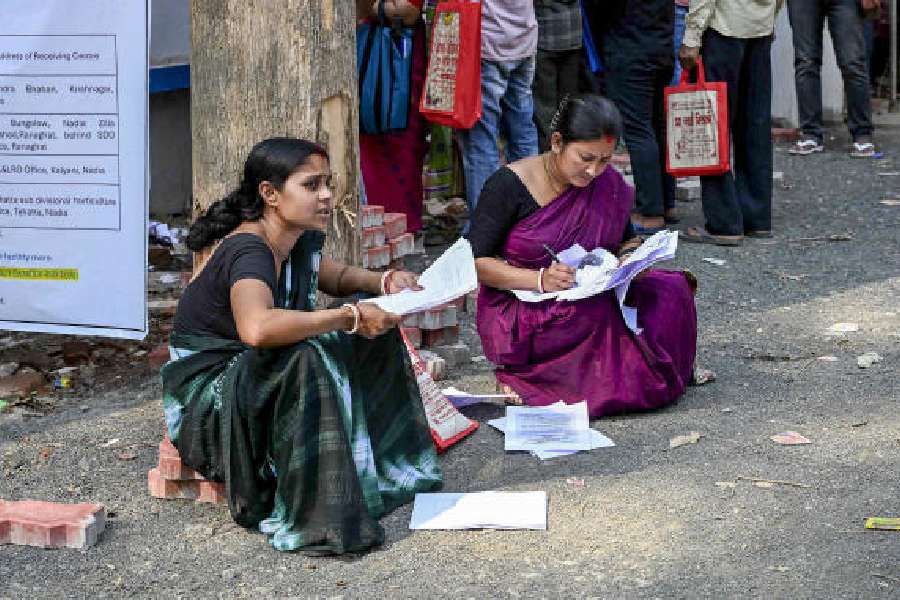
Supreme Court seeks Bengal tribunal case disposal data from EC
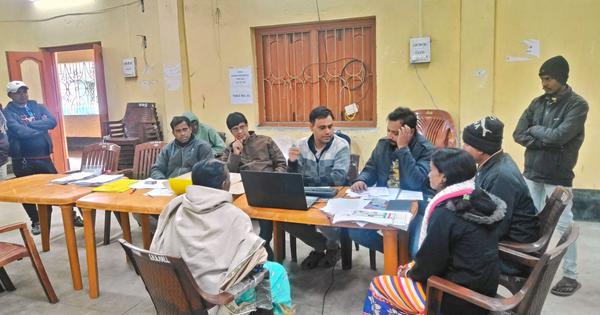
Bengal SIR Appeals Focus Supreme Court on Voter Roll Restorations
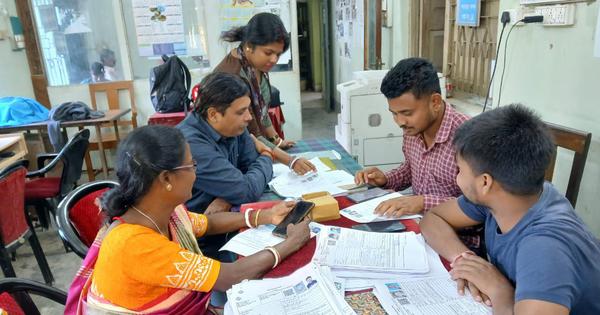
SC says no timeline for Bengal voter deletion appeal tribunals

Supreme Court Seeks Data on West Bengal Voter Deletion Appeals

Supreme Court Seeks Progress Report on West Bengal Voter Appeals

Two Years After RG Kar Doctor's Rape-Murder, Case Remains Unresolved

ED widens Chhattisgarh probes with two arrests and searches

Delhi High Court Orders Madhya Pradesh to Pay Advocate Dues
Haryana sanitation workers’ strike puts BJP government under pressure
Orissa High Court Says Brothel Customers Cannot Face Trafficking Charges