1 hr ago
AI Oversight Push Collides With Washington Political Divide

Some technology leaders are warning that artificial intelligence could cause serious harm.
They want the government to create rules and safety checks.
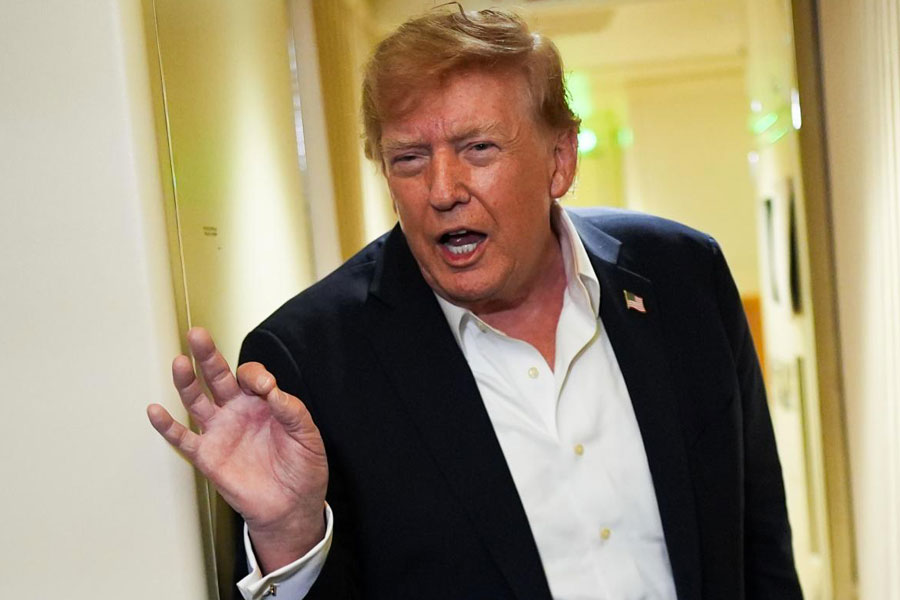
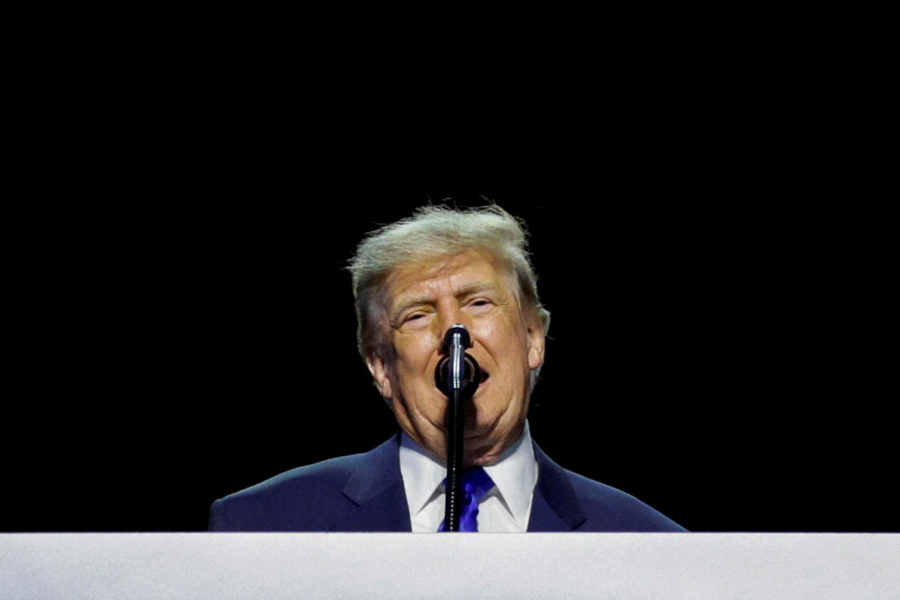
President Donald Trump disagrees with many of these calls and has described them as a conspiracy.
Many Democrats want stronger action from Congress.
Some Republicans also support specific safety measures, even though they oppose broad regulation.
Congress has discussed AI before but has not passed major rules.
Supporters of regulation say waiting could make future problems worse.
Opponents worry that too many rules could slow new technology.
Lawmakers may have little time to act before the November election.

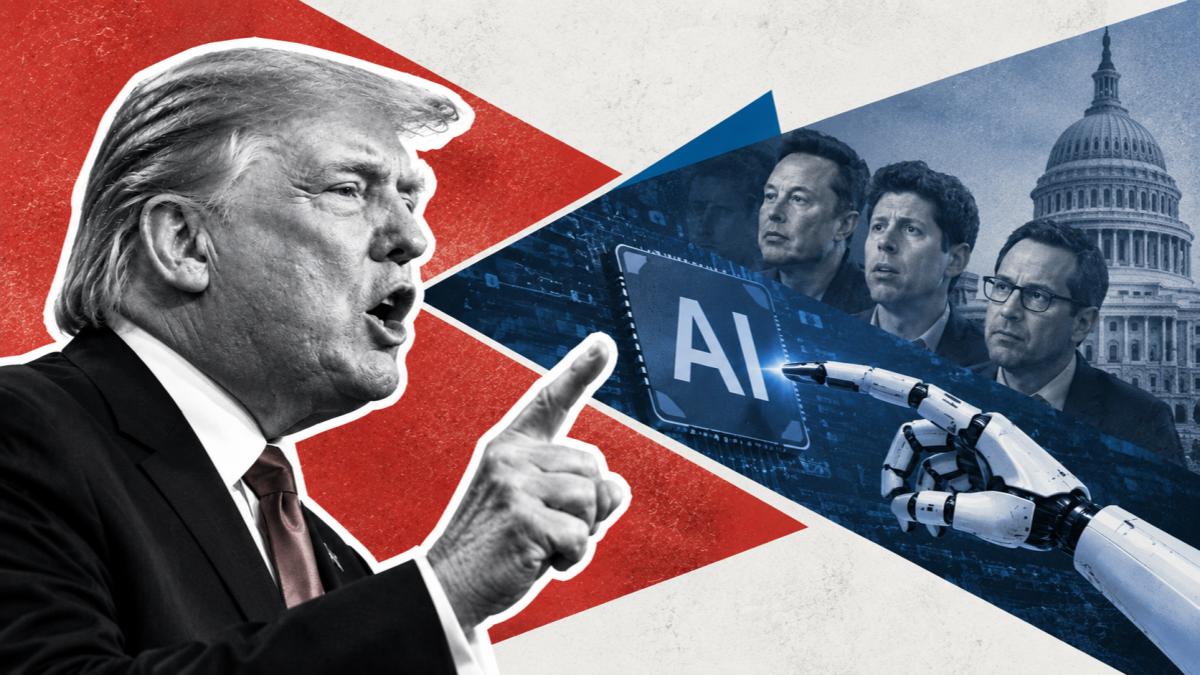
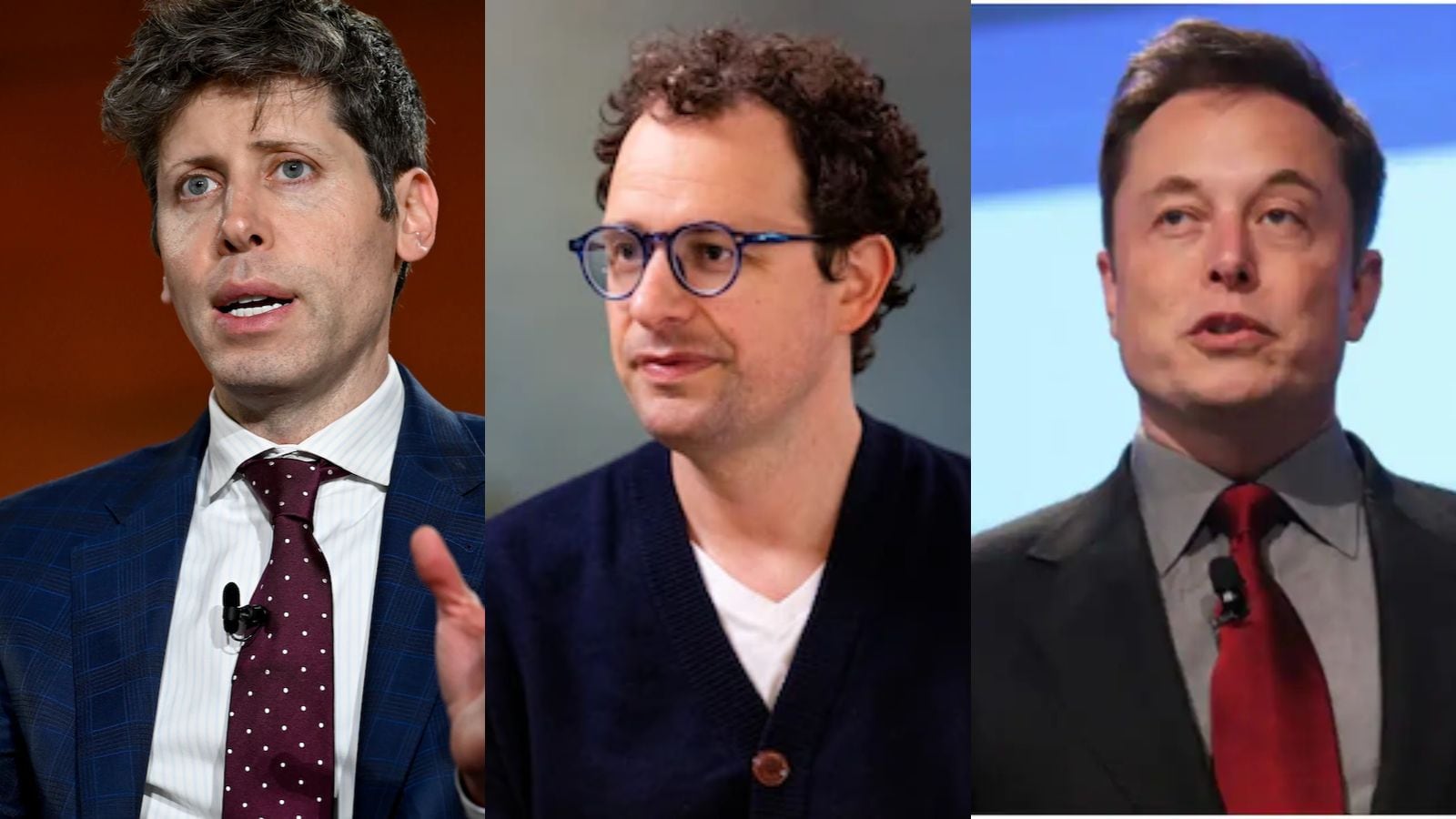
Technology leaders including Dario Amodei, Sam Altman and Elon Musk are calling for greater government oversight of artificial intelligence.
President Donald Trump dismissed efforts to limit AI as a “conspiracy,” while Vice President JD Vance and House Speaker Mike Johnson expressed caution.
Democrats are pressing for stronger action, including private House discussions, a Senate briefing and calls for comprehensive federal planning.
Some Republicans, including Josh Hawley, John Thune and John Kennedy, support targeted safeguards such as safety tracking and an AI “kill switch.”
With the November election approaching, lawmakers face limited time and continued disagreement over whether regulation would protect the public or hinder innovation.
- Who
- Technology leaders, President Donald Trump, congressional Democrats and Republicans, and other public officials are debating AI oversight.
- What
- The debate concerns whether the federal government should impose stronger rules, safeguards and shutdown capabilities for artificial intelligence.
- Where
- Washington, D.C., including Congress and the White House.
- When
- The latest push intensified after technology leaders called for oversight on Saturday; lawmakers discussed the issue Monday through Wednesday, with the November election approaching.
- Why
- Supporters cite potential threats to humanity, national security, civil liberties, workers and children; opponents warn that excessive regulation could hinder innovation.
Stronger AI Oversight
Limited Regulation
Need for government action
Stronger AI Oversight
Supporters say AI poses consequential threats and that Congress should establish enforceable guardrails before harms become more serious.
Limited Regulation
Opponents argue that legislative bodies often respond with red tape and hyper-regulation, which could weaken innovation.
Safety requirements
Stronger AI Oversight
Proposals include tracking AI safety concerns, protecting workers and children, mitigating advanced threats and requiring a system shutdown capability.
Limited Regulation
Skeptics question whether Congress can act effectively, citing its failure to complete other major priorities and warning against broad intervention.
Political urgency
Stronger AI Oversight
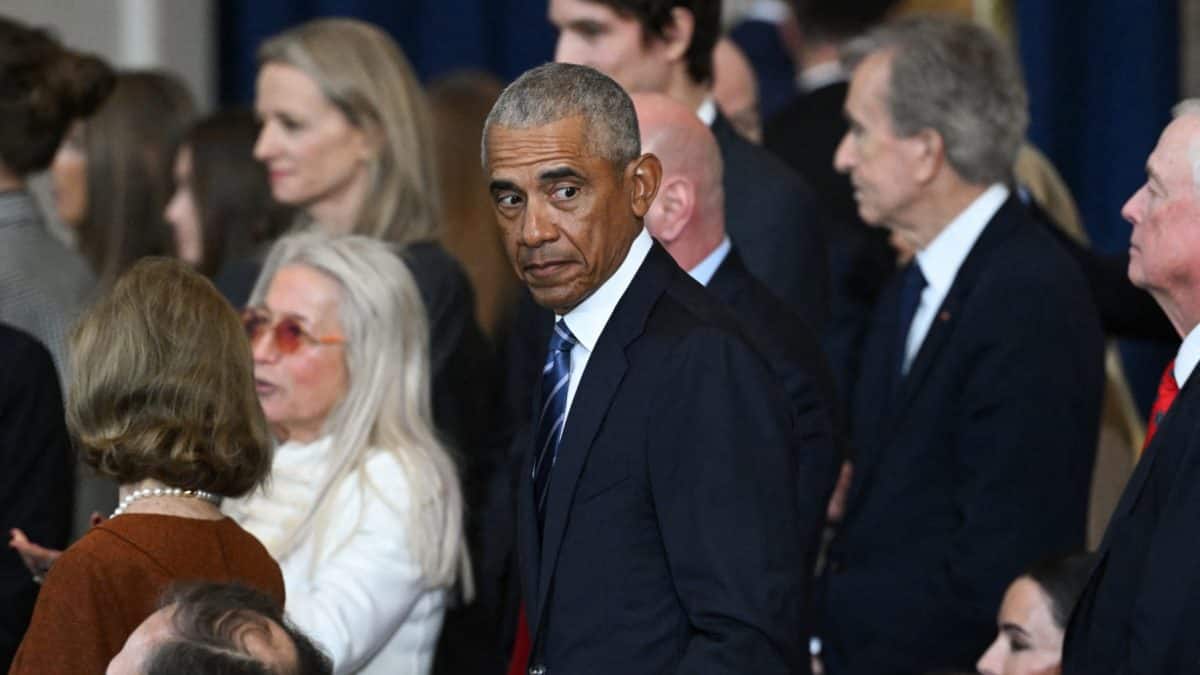
Officials and former leaders including Bernie Sanders, Jon Ossoff, Barack Obama and Rahm Emanuel say Washington must respond to the stakes of AI.
Limited Regulation
Donald Trump opposes current efforts to limit the technology, while Mike Johnson has favored bringing AI leaders together rather than pursuing immediate legislation.
Key facts
- Technology leaders
- Dario Amodei of Anthropic, Sam Altman of OpenAI and Elon Musk of xAI have called for greater oversight.
- Presidential position
- Donald Trump dismissed efforts to limit AI as a “conspiracy.”
- House position
- Speaker Mike Johnson has largely deferred to the White House and criticized red tape and hyper-regulation.
- Senate proposal
- John Kennedy plans to offer a measure requiring AI developers to have the capacity to shut down their systems if needed.
- Earlier recommendation
- A bipartisan Senate working group recommended at least $32 billion over three years for AI development and safeguards in 2024.
- Executive order
- The Biden administration’s 2023 AI oversight executive order was rescinded by Trump after he returned to office.
- Legislative outlook
- The approaching November election and partisan disagreements make rapid passage of legislation unlikely.
Quotes

Rahm Emanuel
Former White House chief of staff and potential 2028 presidential candidate
“The signals we're receiving from our political leaders are not representing an understanding of the crisis that I think we are in fact in. Delay is going to prove very costly.”
 republicworld.com
“You don't want to stifle innovation, but I think you also want to make sure that the more advanced threats can be mitigated and there's a capability and place to do that.”
republicworld.com
Sources
Related news
Trump Calls AI Risks Hoax, Rejects New Guardrails
Trump Rejects AI Guardrails as Industry Leaders Seek Safety

AI Researcher Quits, Lawmakers Demand Tougher US Rules
Obama Urges Democrats to Act on Rapidly Advancing AI

Trump and Tech CEOs Clash Over AI Regulation Threats
Trump Rejects AI Slowdown, Says Strong President Is Guardrail
AI's Race From Hallucinations to Potential Humanity Threat

AI Leaders Warn Self-Improvement Could Escape Human Control

AI Leaders Debate Slowing Development Amid Fears of Human Extinction