

1 hr ago
Warsh Faces Rate Decision Pressure as Inflation and Yields Rise
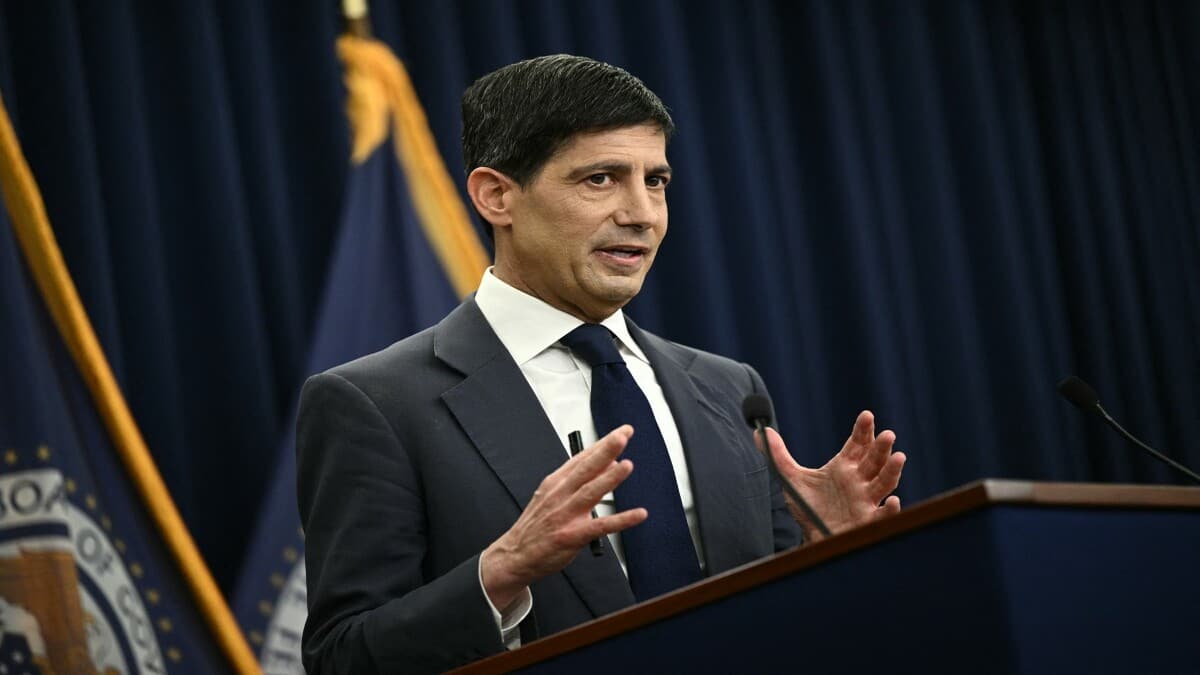
Kevin Warsh is preparing to lead his first major Federal Reserve meeting.
President Donald Trump wants interest rates to go much lower.
But prices are still rising faster than the Fed would like.
Oil has also become more expensive because of tensions in West Asia.
Higher oil prices can make inflation worse.
At the same time, long-term US government borrowing costs have climbed sharply.
The Fed may raise interest rates, although the article says the decision was not yet known.
Investors will listen carefully to Warsh’s explanation of what the Fed may do next.

New Federal Reserve Governor Kevin Warsh faces pressure from Donald Trump to lower interest rates.
Inflation remains above the Fed’s 2% target as disinflation appears slow and uncertain.
Brent crude reached about $103 per barrel and WTI about $107 amid renewed West Asia tensions.
The 10-year US Treasury yield rose to about 5.02%, its highest level since 2007.
Investors will focus on Warsh’s press conference and projections for clues about future rate moves.
- Who
- Kevin Warsh, the newly appointed Federal Reserve governor, the Federal Open Market Committee, and President Donald Trump.
- What
- The Federal Open Market Committee is preparing to announce a potentially higher interest-rate decision while inflation, oil prices, and Treasury yields remain elevated.
- Where
- The United States, with effects potentially extending to global financial markets.
- When
- At Warsh’s first FOMC decision, with the announcement expected that night; the article also cites market conditions on Wednesday.
- Why
- The Fed is balancing inflation above its 2% target and rising financial pressures against Trump’s demand for substantially lower borrowing costs.
Lower-Rate Advocates
Inflation-Focused Policymakers
Immediate interest-rate direction
Lower-Rate Advocates
Donald Trump is pressuring the Fed to reduce borrowing costs substantially, potentially to very low levels.
Inflation-Focused Policymakers
Persistent inflation, rising oil prices, and higher Treasury yields support caution or a possible rate increase.
How to interpret a rate increase
Lower-Rate Advocates
A rate hike could conflict with efforts to ease borrowing costs and could add to already-tight financial conditions.
Inflation-Focused Policymakers
A hike could signal that policymakers believe inflation requires additional restraint, although the number of future hikes remains uncertain.
Importance of Fed communication
Lower-Rate Advocates
Investors seeking lower rates will look for guidance that any increase is limited or temporary.
Inflation-Focused Policymakers
The Fed must explain whether a decision marks a one-time move or the start of a broader tightening cycle.
Key facts
- Fed inflation target
- 2%, with inflation described as remaining above that level.
- Brent crude
- About $103 per barrel on Wednesday.
- WTI crude
- About $107 per barrel on Wednesday.
- 10-year US Treasury yield
- About 5.02%, a level described as the highest since 2007.
- Potential rate action
- The article says the Fed is likely to raise rates for the first time in three years.
- Last reported rate increase
- 2023.
- Key investor focus
- Warsh’s press conference and the Fed’s updated economic projections.
Sources
Related news
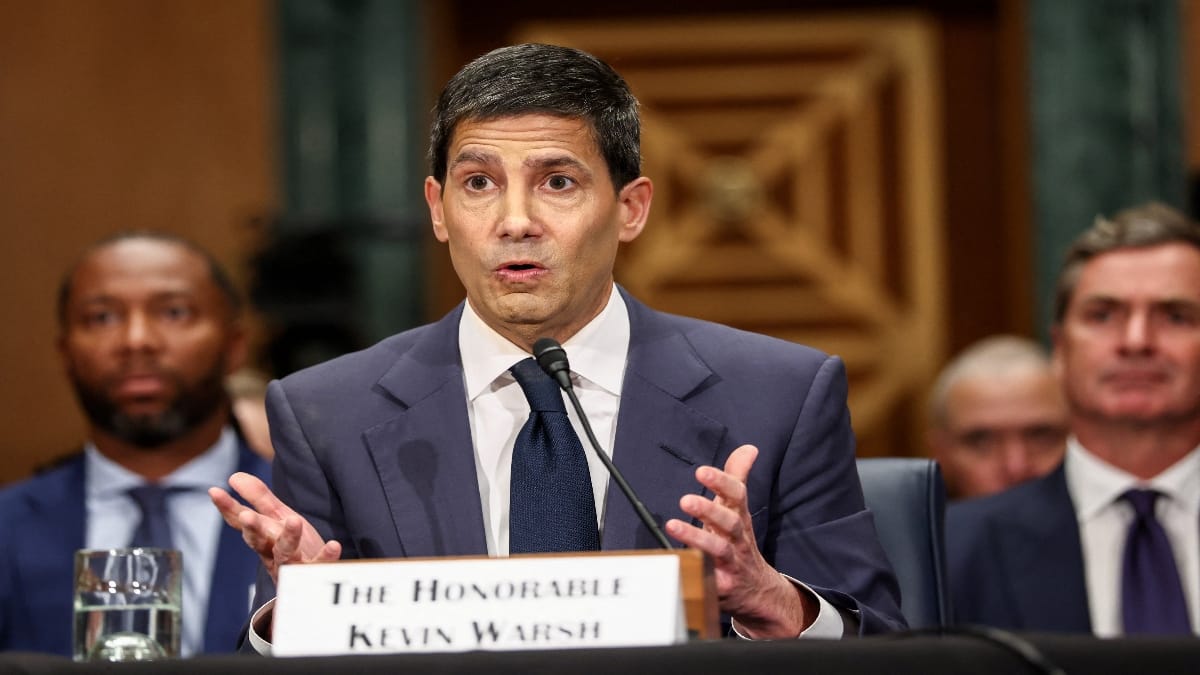
Trump Seeks Rate Cuts as Warsh Faces Bond Market Test

Treasury Yields Hold Firm Ahead of Warsh’s Jackson Hole Speech

Kevin Warsh’s Jackson Hole Test: Taming Inflation Without Bond Shock
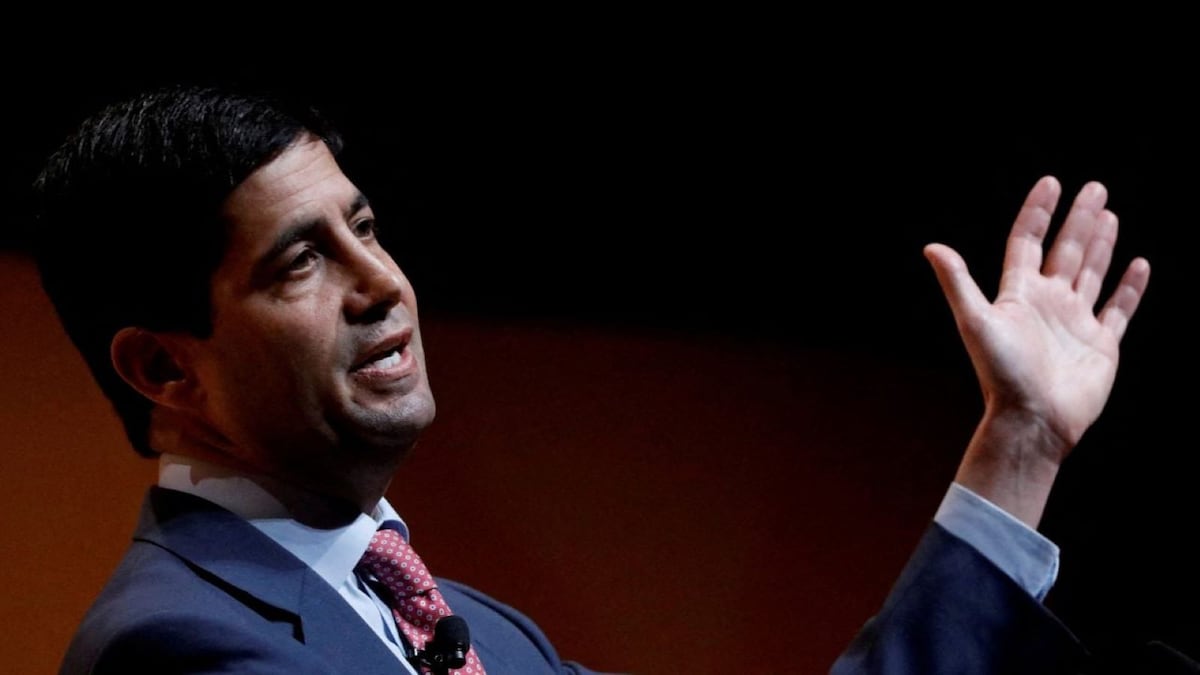
Warsh Signals Possible Rate Hikes as Inflation Stays Above Target
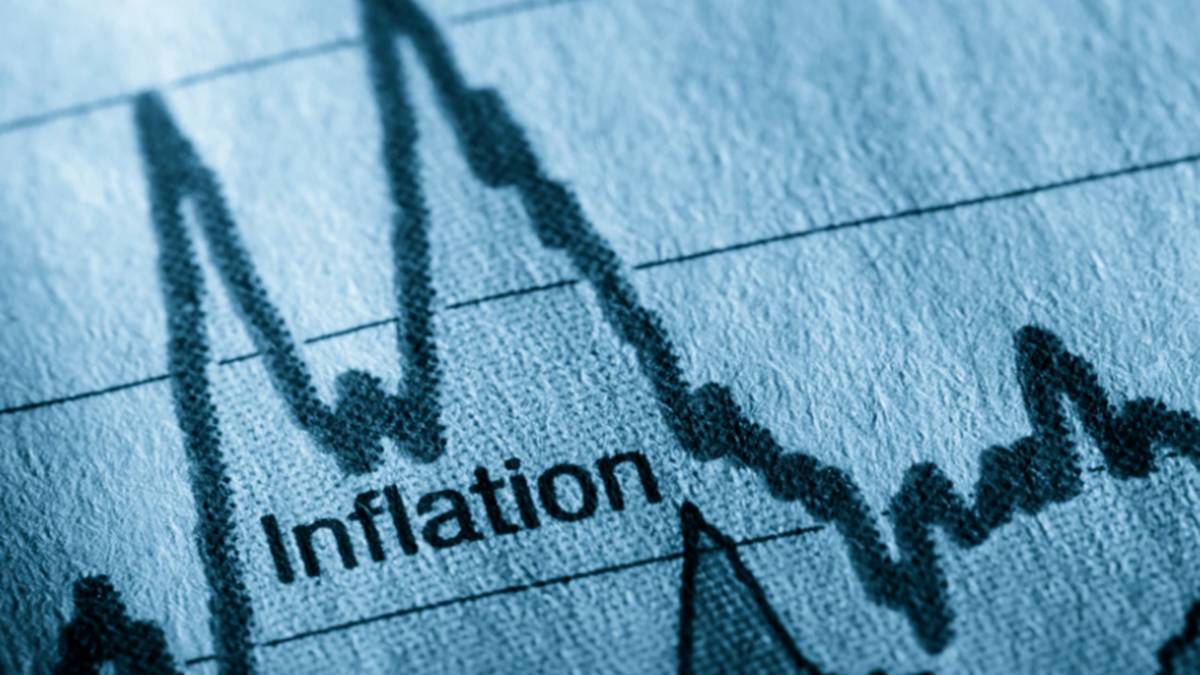
Warsh Weighs Rate Cut as Inflation Keeps Pressure High

Warsh’s Jackson Hole Speech Tests Fed Independence and Inflation Strategy

Fed Rate Decision Puts Gold Prices Under Pressure
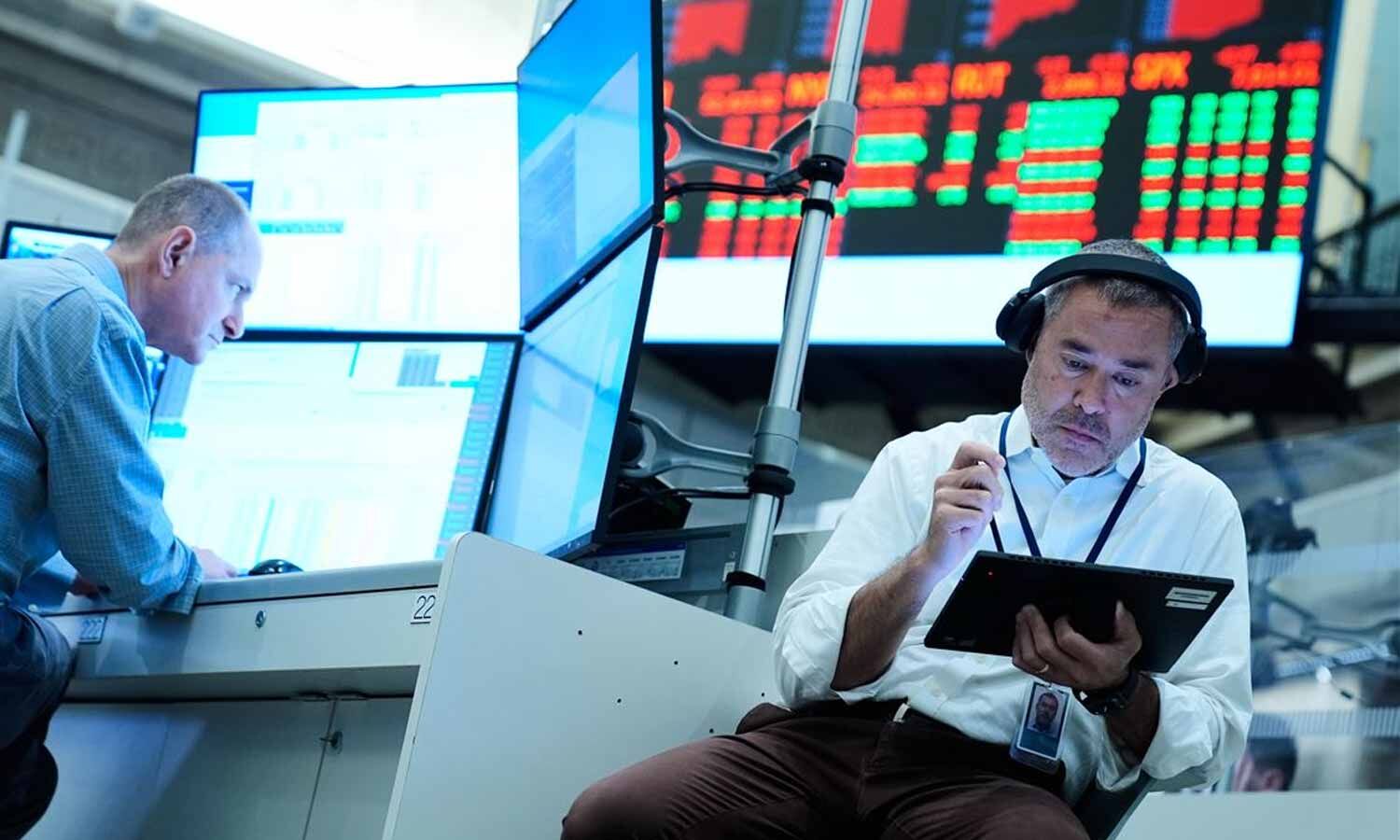
Wall Street steadies as markets await expected Fed rate hike
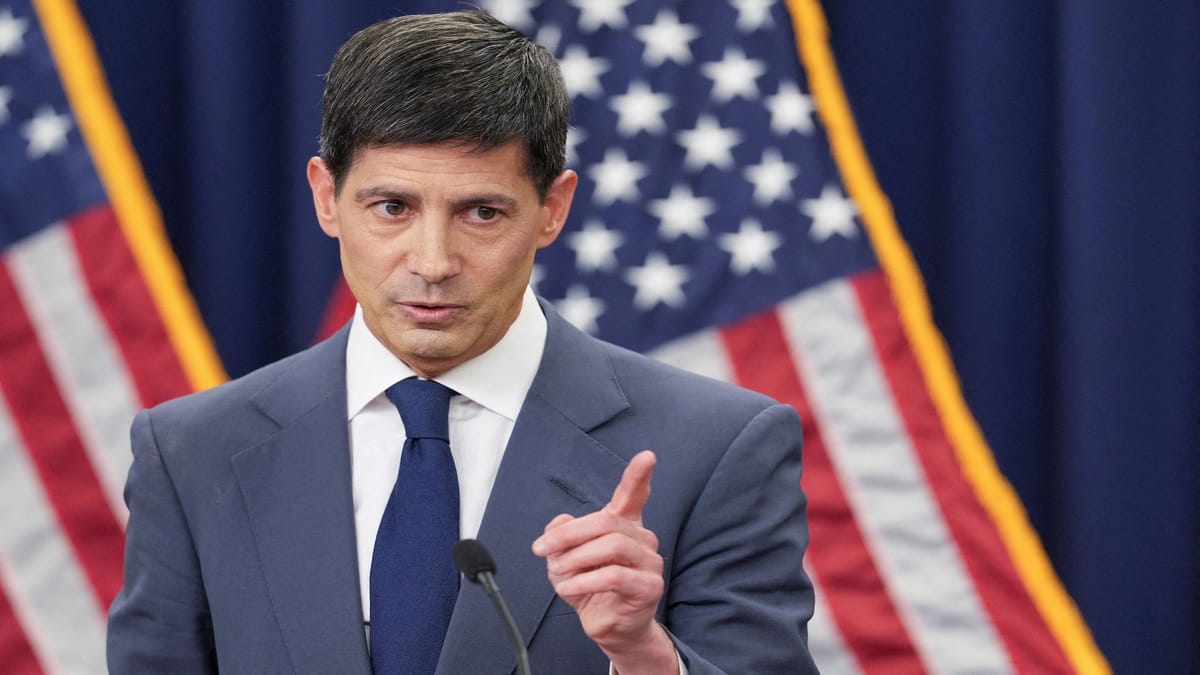
Wall Street Turns Hawkish As Banks Forecast Fed Rate Hikes

US Fed Rate Hike Puts Indian Markets, Rupee Under Watch
