

1 week ago
Naval Collision Revives Debate Over Ramming Tactics at Sea
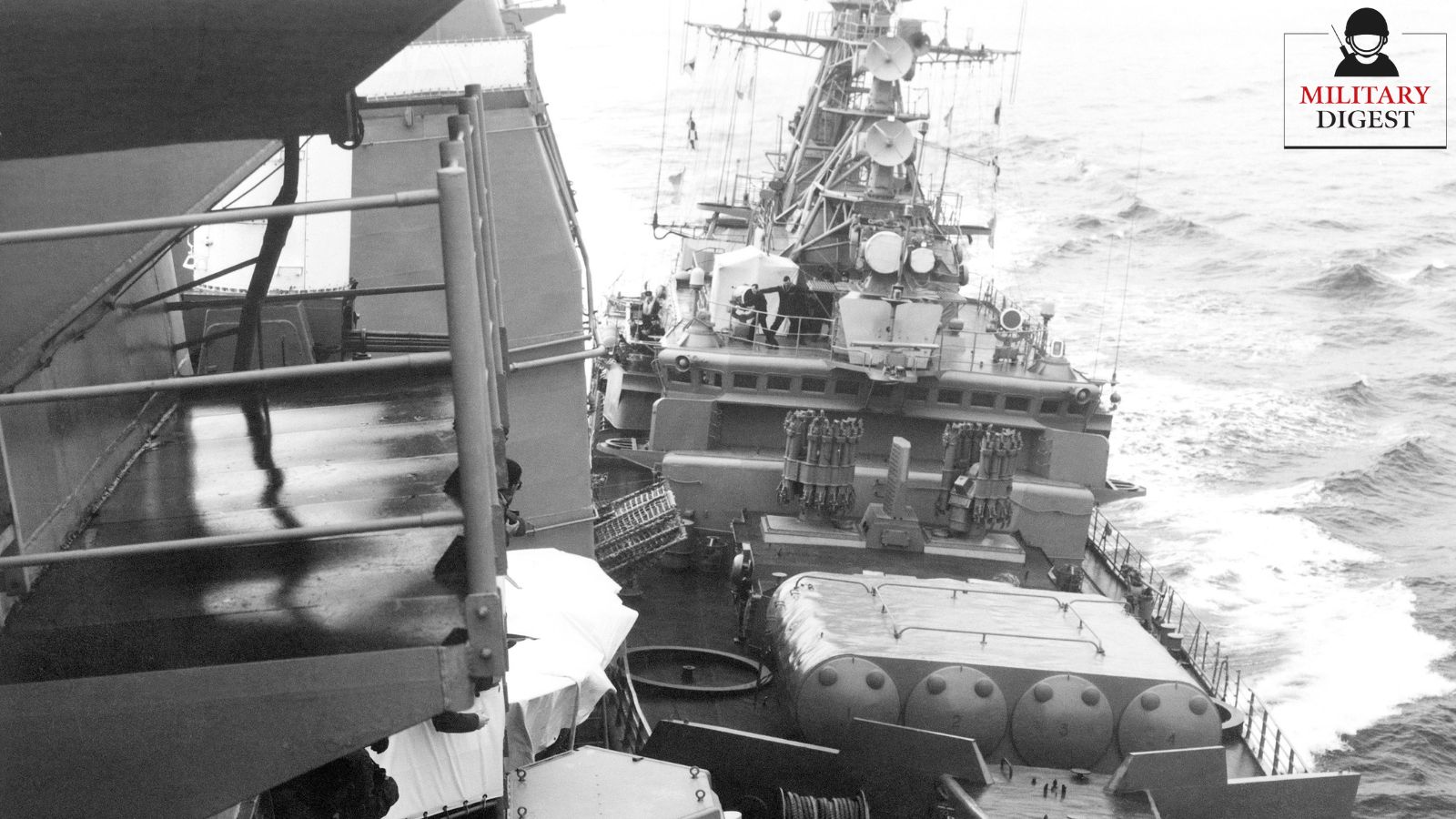
A Pakistani warship called PNS Hunain crashed into an Indian warship called INS Kolkata.
The crash happened on September 15 in the northern Arabian Sea.
The Pakistani ship was badly damaged.
People are debating whether the Pakistani captain acted recklessly.
Ships have used ramming as a tactic for a very long time.
This practice began even when ships were powered by wind.
Ramming can show bravery or send a threatening message.
The article also explains that ancient warships considered the ram bow a very important weapon.

Pakistani naval ship PNS Hunain collided with Indian naval ship INS Kolkata on September 15.
The collision occurred in the northern Arabian Sea and severely damaged PNS Hunain.
The incident prompted debate about whether the Pakistani captain’s actions were reckless.
Shadowing and ramming have been used by warships since the era of wind-powered vessels.
The Institute of Marine Engineering Science and Technology says the ram bow was ancient naval vessels’ most significant weapon.
- Who
- The Pakistani naval ship PNS Hunain and the Indian naval ship INS Kolkata were involved.
- What
- The two naval ships collided, severely damaging PNS Hunain.
- Where
- The northern Arabian Sea.
- When
- September 15.
- Why
- The collision has sparked debate about the Pakistani captain’s actions; the article also examines the historical use of shadowing and ramming as naval tactics.
Key facts
- Incident date
- September 15
- Pakistani vessel
- PNS Hunain
- Indian vessel
- INS Kolkata
- Location
- Northern Arabian Sea
- Reported damage
- PNS Hunain was severely damaged
- Historical tactic
- Warships have used shadowing and ramming since the era of wind-powered vessels
- Ancient weapon
- The Institute of Marine Engineering Science and Technology describes the ram bow as the most significant weapon of ancient naval vessels
Sources
Related news
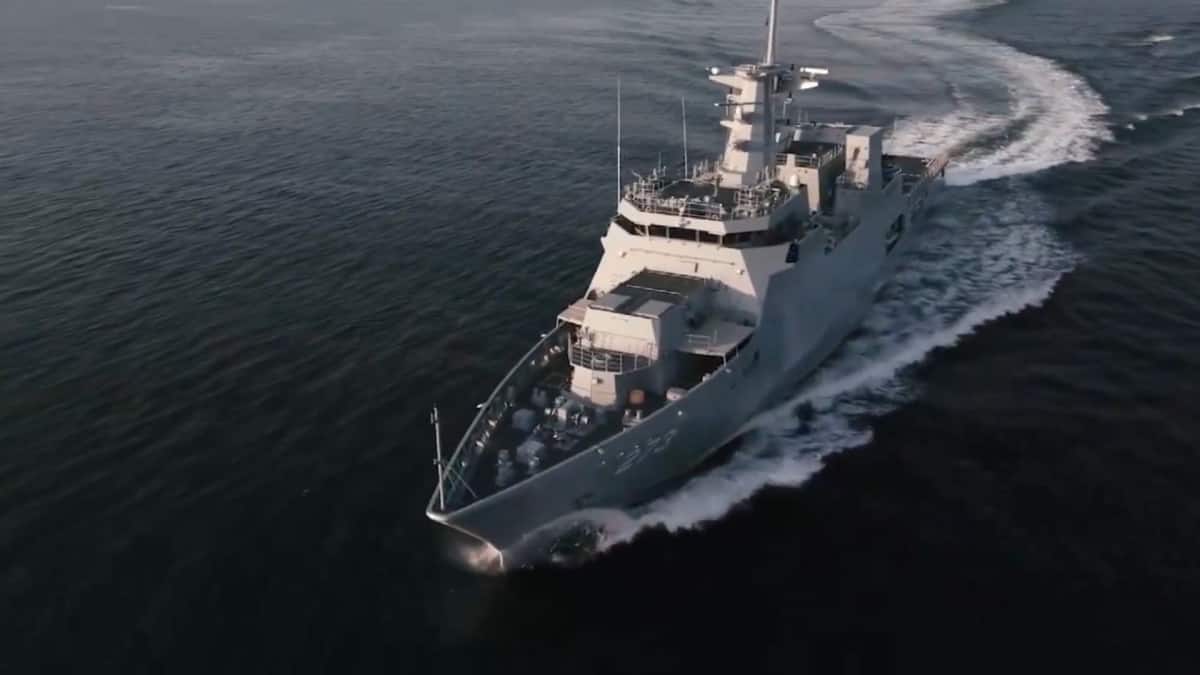
India, Pakistan Trade Claims After PNS Hunain Collision

India Rejects Pakistan Claims Over Arabian Sea Naval Collision
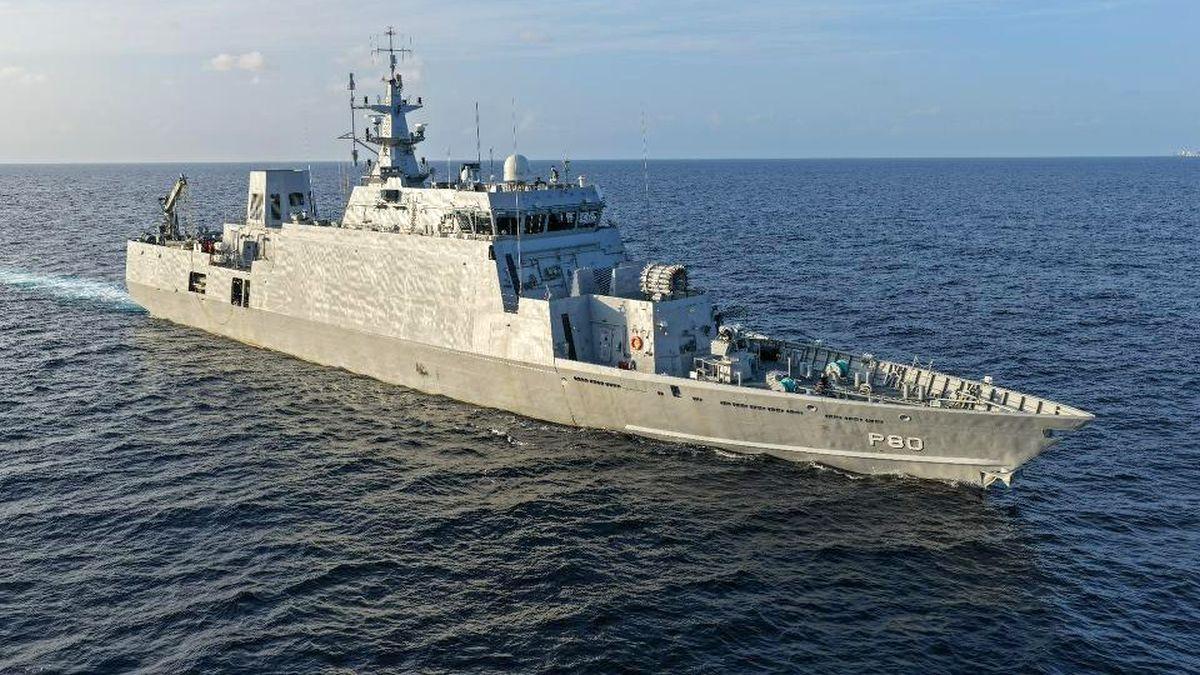
India, Pakistan Naval Ships Collide During North Arabian Sea Mission
Ship Logs Allegedly Show PNS Hunain’s Deliberate Bow Cut

PNS Hunain Collision Echoes 2011 Naval Incident
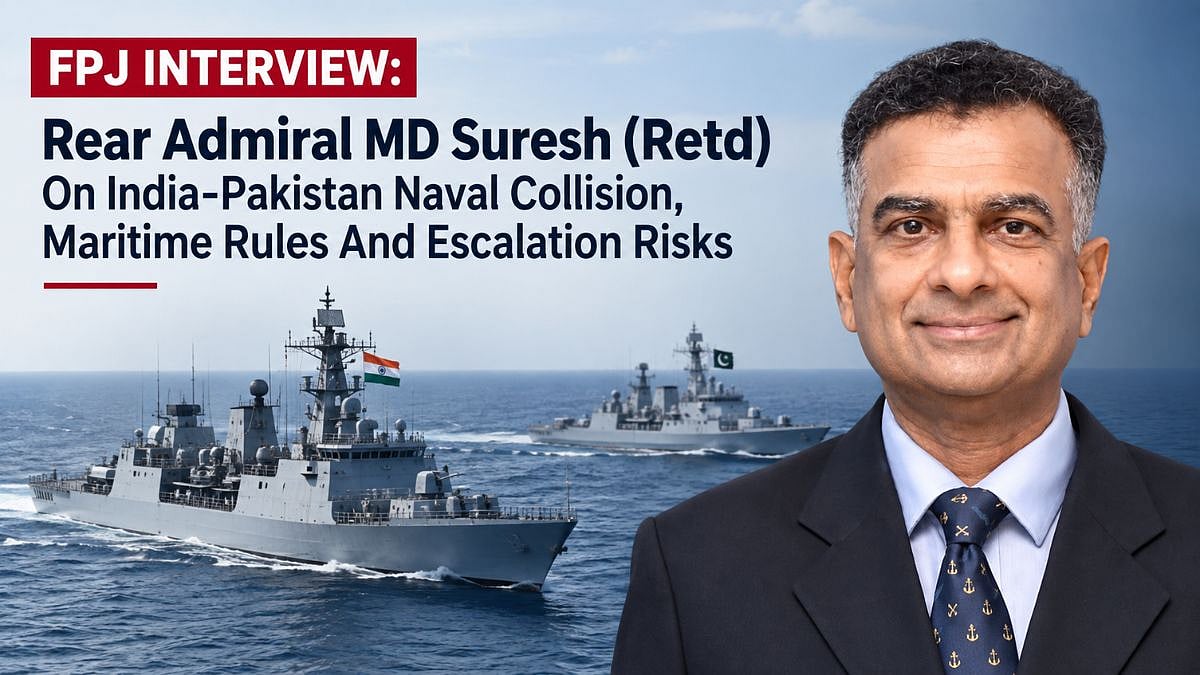
Retired Admiral Assesses India-Pakistan Naval Collision And Escalation Risks

MICL, Godrej Partner on ₹6,000 Crore Marine Lines Project

Pakistan’s First Hangor-Class Submarine Fires Live Anti-Ship Missile
Four Seasons Hotel Mumbai Earns MICHELIN Key for Contemporary Luxury
Pune Ganesh Pandal Explains Oil Hikes Through Hormuz Crisis
