1 hr ago
A Naval Collision Tests India-Pakistan's Fragile Post-Ceasefire Peace

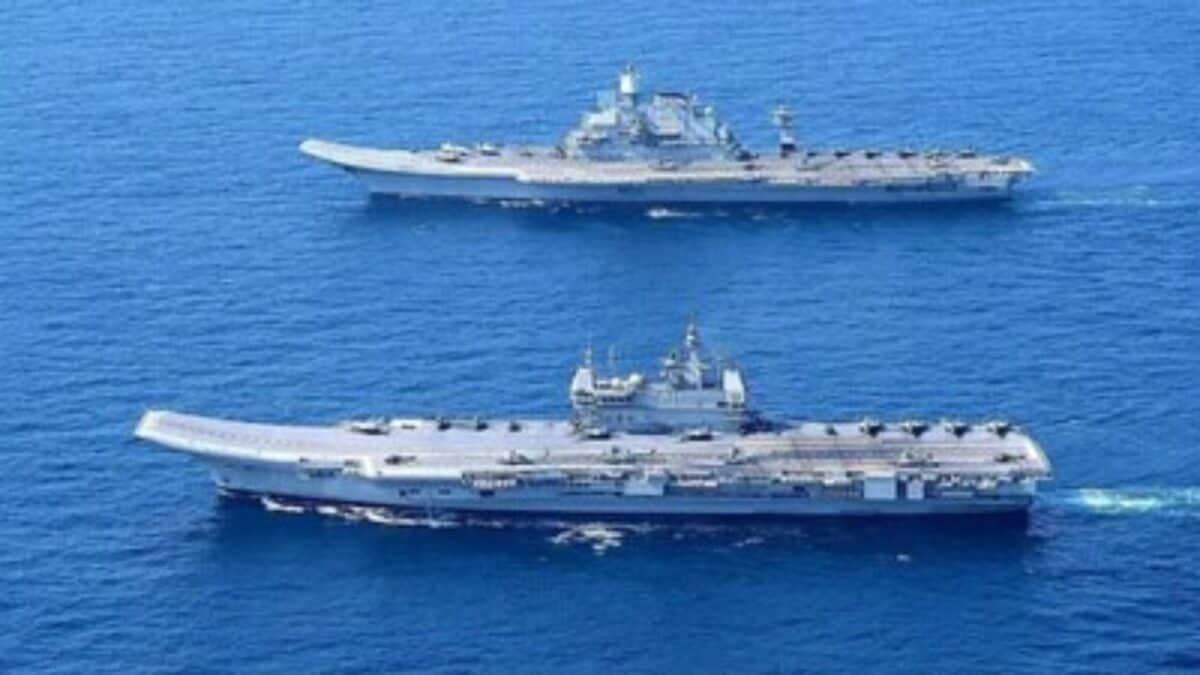
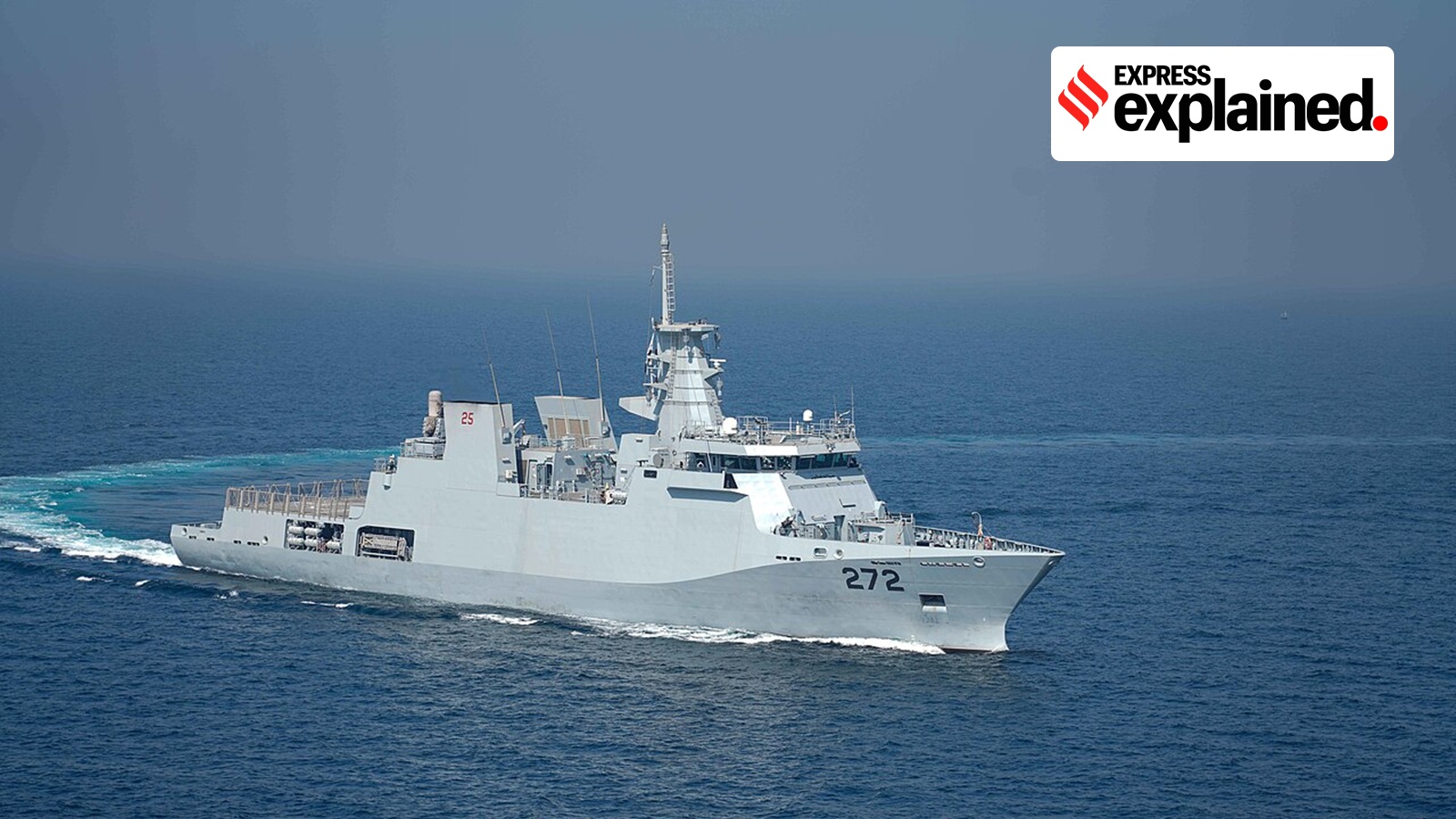
Indian and Pakistani naval vessels collided in the Arabian Sea.
The two countries disagree about who was responsible.
Pakistan said an Indian ship acted aggressively during a military exercise.
India also challenged the conduct of a Pakistani naval unit.
The collision happened more than a year after the countries exchanged military strikes and then agreed to a ceasefire.
Because both countries have nuclear weapons, a small mistake could become much more serious.
The Arabian Sea is also important for trade and energy shipments.
The article says both countries should improve communication between their navies.
It also recommends investigating dangerous encounters quickly and following existing safety agreements.

A collision between Indian and Pakistani naval vessels occurred in the Arabian Sea.
India and Pakistan have accused each other of disregarding safeguards for military operations.
Pakistan alleged that an Indian vessel acted aggressively during its SEASPARK-26 exercise.
The incident comes more than a year after the two countries exchanged military strikes before agreeing to a ceasefire.
The article urges stronger naval communication, compliance with existing agreements and impartial investigations to prevent escalation.
- Who
- Indian and Pakistani naval forces are involved; both governments have accused the other side of misconduct.
- What
- A collision between naval vessels has prompted diplomatic engagement and renewed concerns about escalation.
- Where
- The collision occurred in the Arabian Sea, while diplomatic engagements took place in Delhi and Islamabad.
- When
- The incident occurred more than a year after India and Pakistan exchanged military strikes and agreed to a ceasefire; the article gives no exact date.
- Why
- The collision has raised concerns about military miscalculation, weak trust and whether existing safeguards are sufficient to prevent confrontation.
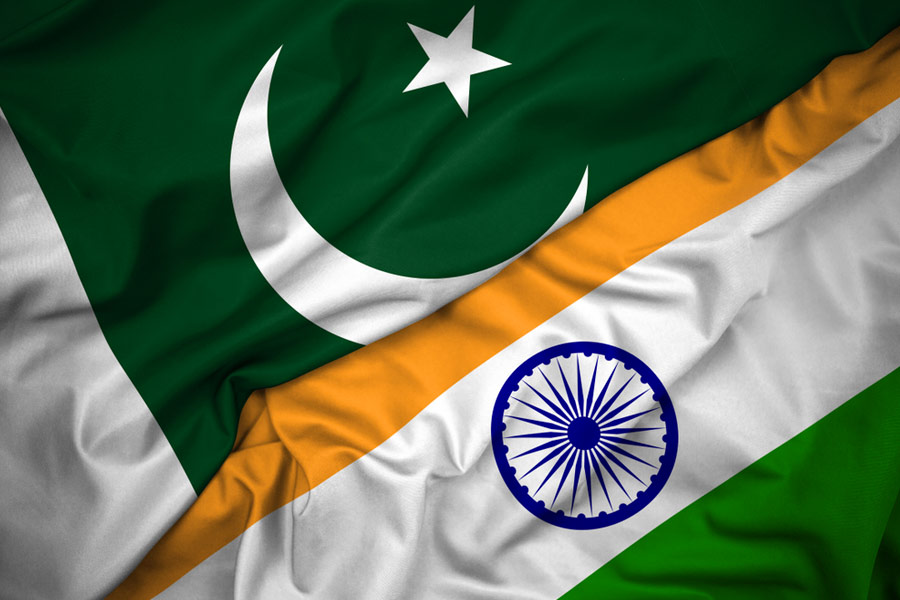
India's Position
Pakistan's Position
Responsibility for the encounter
India's Position
India challenged the conduct of the Pakistani naval unit, indicating that Pakistan may have disregarded relevant safeguards.
Pakistan's Position
Pakistan alleged that an Indian vessel behaved aggressively during the SEASPARK-26 exercise, indicating that India may have caused or worsened the encounter.
Key facts
- Incident
- Indian and Pakistani naval vessels collided in the Arabian Sea.
- Competing claims
- India challenged the conduct of a Pakistani naval unit, while Pakistan alleged aggressive behavior by an Indian vessel.
- Pakistani exercise
- Pakistan linked its allegation to India's SEASPARK-26 exercise.
- Existing safeguard
- The 1991 agreement covers advance notification of military exercises, manoeuvres and troop movements.
- Recent context
- The collision followed military strikes by India and Pakistan more than a year earlier and a subsequent ceasefire.
- Strategic importance
- The Arabian Sea is described as an important corridor for international commerce and energy supplies.
- Proposed response
- The article calls for stronger naval communication, compliance with agreements and prompt investigations of dangerous encounters.
Sources
Related news
India-Pakistan Naval Collision Puts 1991 Article 10 Under Scrutiny

India, Pakistan Exchange Protests After Naval Collision
India Accuses Pakistan of Breaching Naval Separation Agreement
India, Pakistan Exchange Protests After Arabian Sea Warship Collision
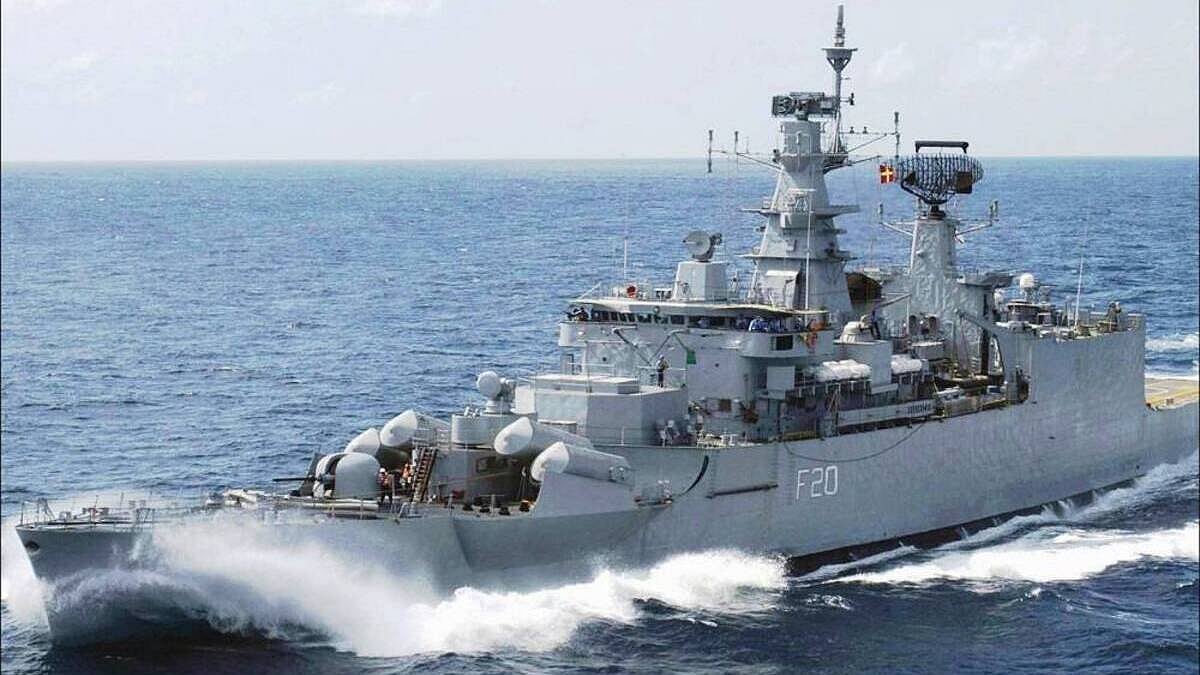
India-Pakistan Naval Face-Off Echoes Earlier 2011 Maritime Standoff
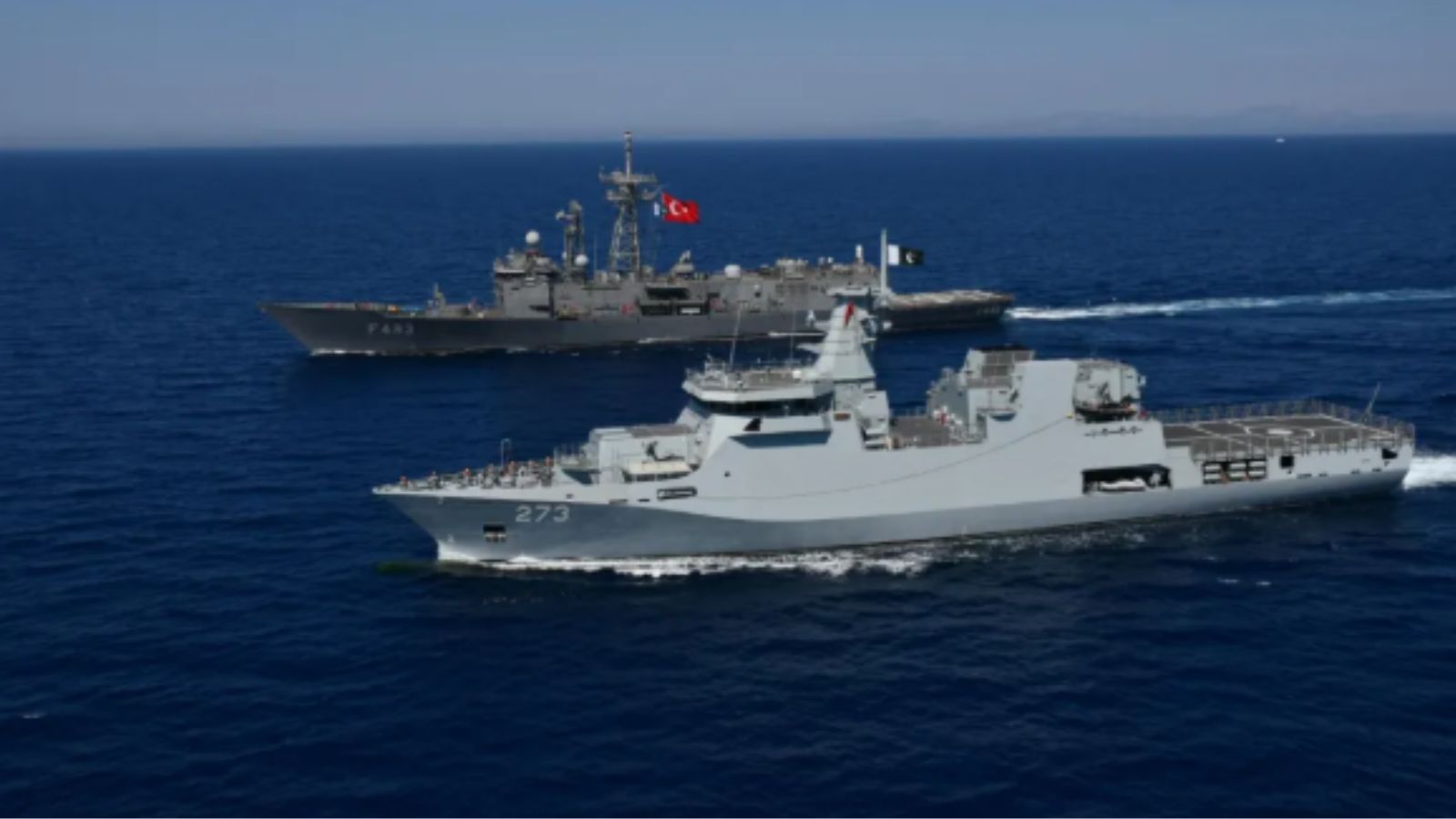
India, Pakistan Exchange Protests After North Arabian Sea Collision
Shivakumar Inspects Mangaluru Fish Harbour, Orders Action on Dredging

India Rejects Pakistan Claims Over Arabian Sea Naval Collision

Mumbai’s Taj Mahal Palace Rises to 30th in 2026 Rankings

Madhya Pradesh Receives 88.7% Rainfall, More Expected in September