

3 weeks ago
Arunachal Pradesh's Glaw Lake becomes India's 101st Ramsar Site
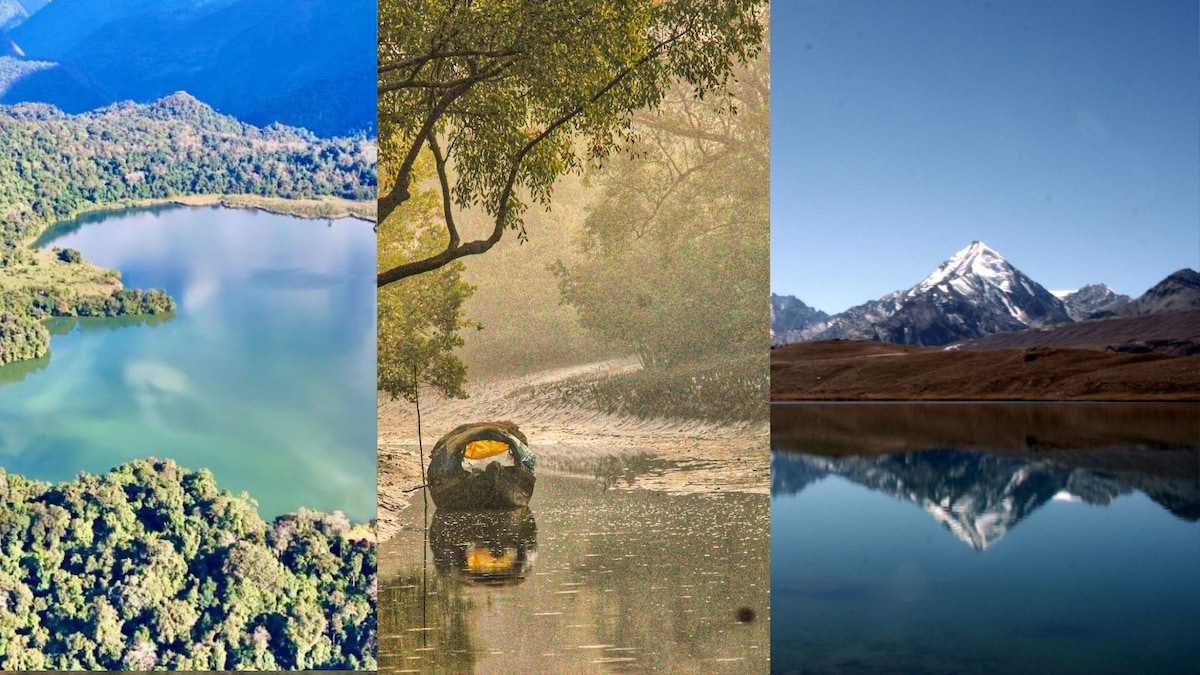
India has a special list of wet places, called wetlands, that the country promises to look after.
These special wetlands are called Ramsar Sites, named after an agreement made in 1971.
India just added its 101st wetland to this list, a beautiful lake called Glaw Lake.
Glaw Lake is in a northeastern state called Arunachal Pradesh, and it is the first wetland from that state on the list.
The lake is inside a tiger reserve in the Himalayas, where lots of trees and orchids grow.
There are more than 150 kinds of trees and 49 kinds of orchids around the lake.
Wetlands are important because they give homes to birds and animals and help keep nature healthy.
India's very first Ramsar site was Chilika Lake, added back in 1981.
Other famous wetlands on the list include the Sundarbans, a mangrove forest home to tigers.
Protecting these places helps keep nature safe for everyone.

Glaw Lake in Arunachal Pradesh has been designated India's 101st Ramsar Site, the state's first-ever.
Union Environment Minister Bhupender Yadav announced the designation as a milestone for biodiversity and climate security.
The lake lies inside the Kamlang Tiger Reserve in the Eastern Himalayas and is ringed by over 150 tree species and 49 orchid varieties.
A Ramsar Site is a wetland protected under the Ramsar Convention, a 1971 international treaty.
Other notable Indian Ramsar sites include Chilika Lake (India's first, 1981), Keoladeo Ghana National Park, and the Sundarban Wetland.
- Who
- Union Environment Minister Bhupender Yadav announced the designation; the list spans wetlands across India.
- What
- Glaw Lake was designated India's 101st Ramsar Site and Arunachal Pradesh's first Ramsar Site.
- Where
- Glaw Lake, inside the Kamlang Tiger Reserve in the Eastern Himalayas, Arunachal Pradesh, India.
- When
- Exact date not stated in the article; India's first Ramsar Site was designated in 1981.
- Why
- To protect wetlands of global importance for biodiversity and climate security under the 1971 Ramsar Convention.
Key facts
- New Ramsar Site
- Glaw Lake (India's 101st)
- Location
- Kamlang Tiger Reserve, Eastern Himalayas, Arunachal Pradesh
- State's First
- Arunachal Pradesh's first Ramsar Site
- Biodiversity
- Over 150 tree species and 49 orchid varieties around the lake
- Ramsar Convention
- 1971 international treaty protecting wetlands
- India's First Ramsar Site
- Chilika Lake, Odisha (1981)
- Largest Protected Wetland
- Sundarban Wetland, West Bengal, roughly 4,230 sq km
- Asia's Largest Brackish-Water Lagoon
- Chilika Lake
Sources
Related news

Glaw Lake Becomes India’s 101st Ramsar Site in Arunachal
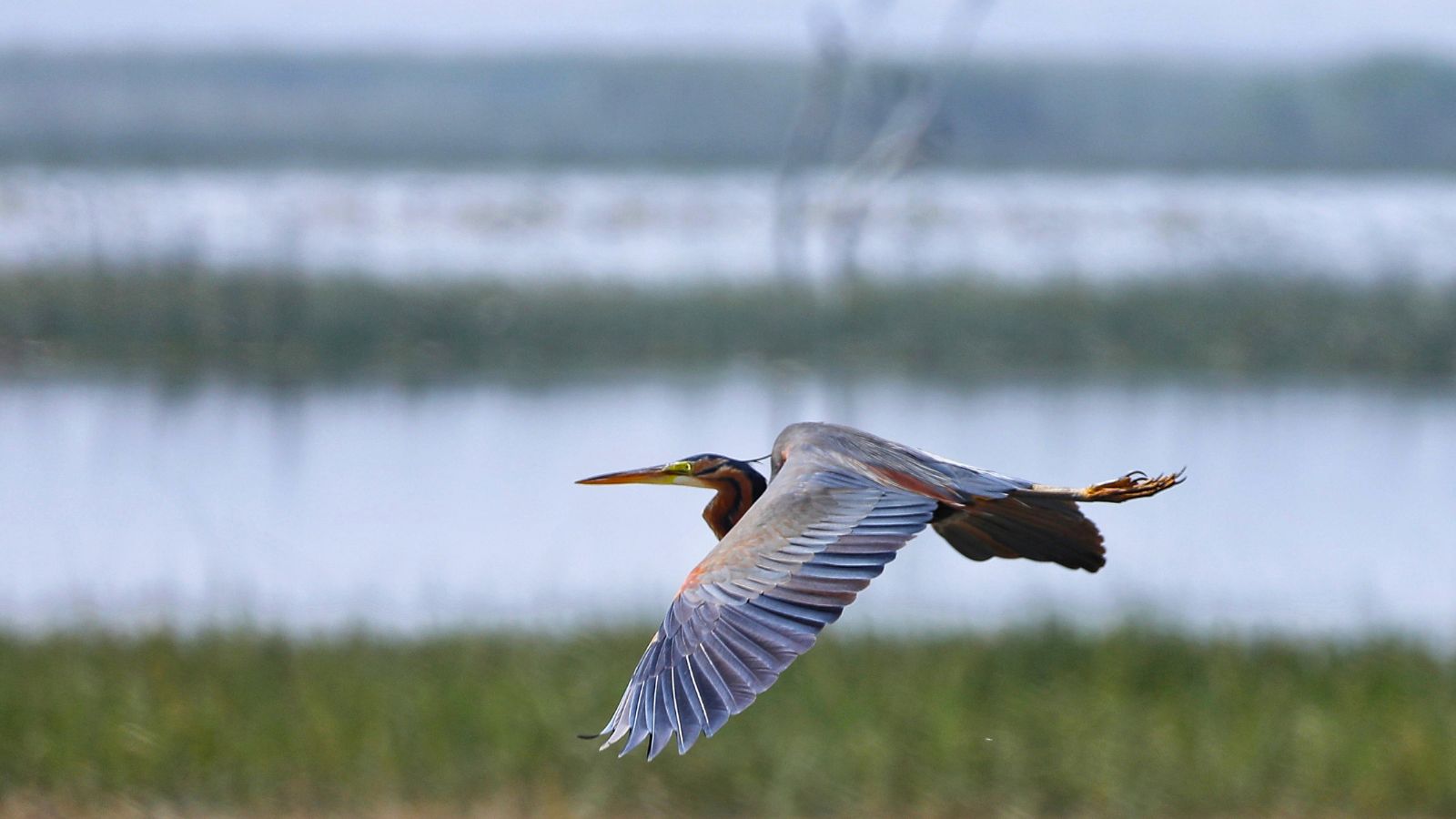
Japan-backed project targets plastic-free Nal Sarovar bird sanctuary
Perungulam Wetland Moves Toward Ramsar Recognition in Tamil Nadu
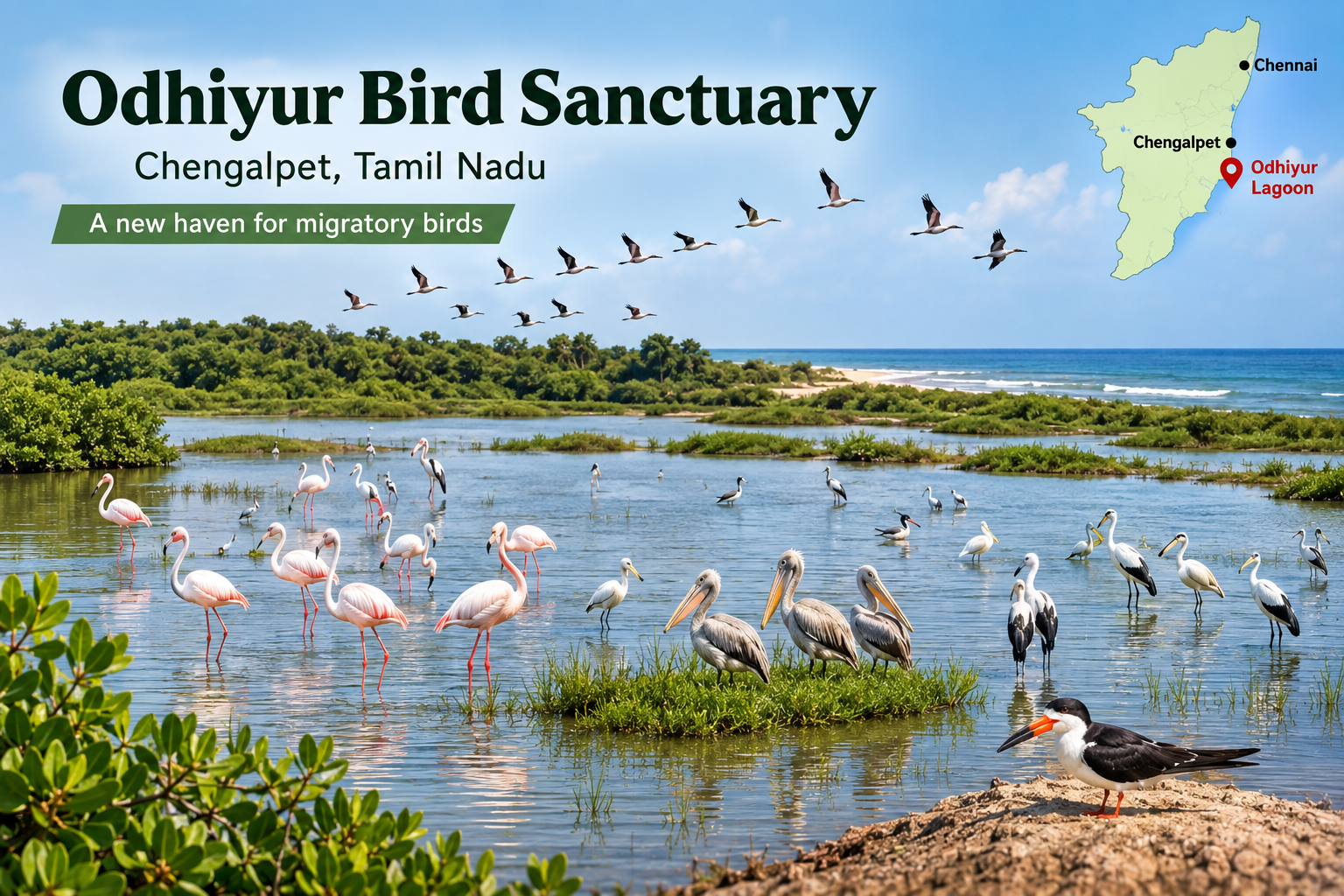
Chengalpet to Get Second Bird Sanctuary at Odhiyur Lagoon

Kasganj Wetlands Gain Legal Protection Through Uttar Pradesh Gazette
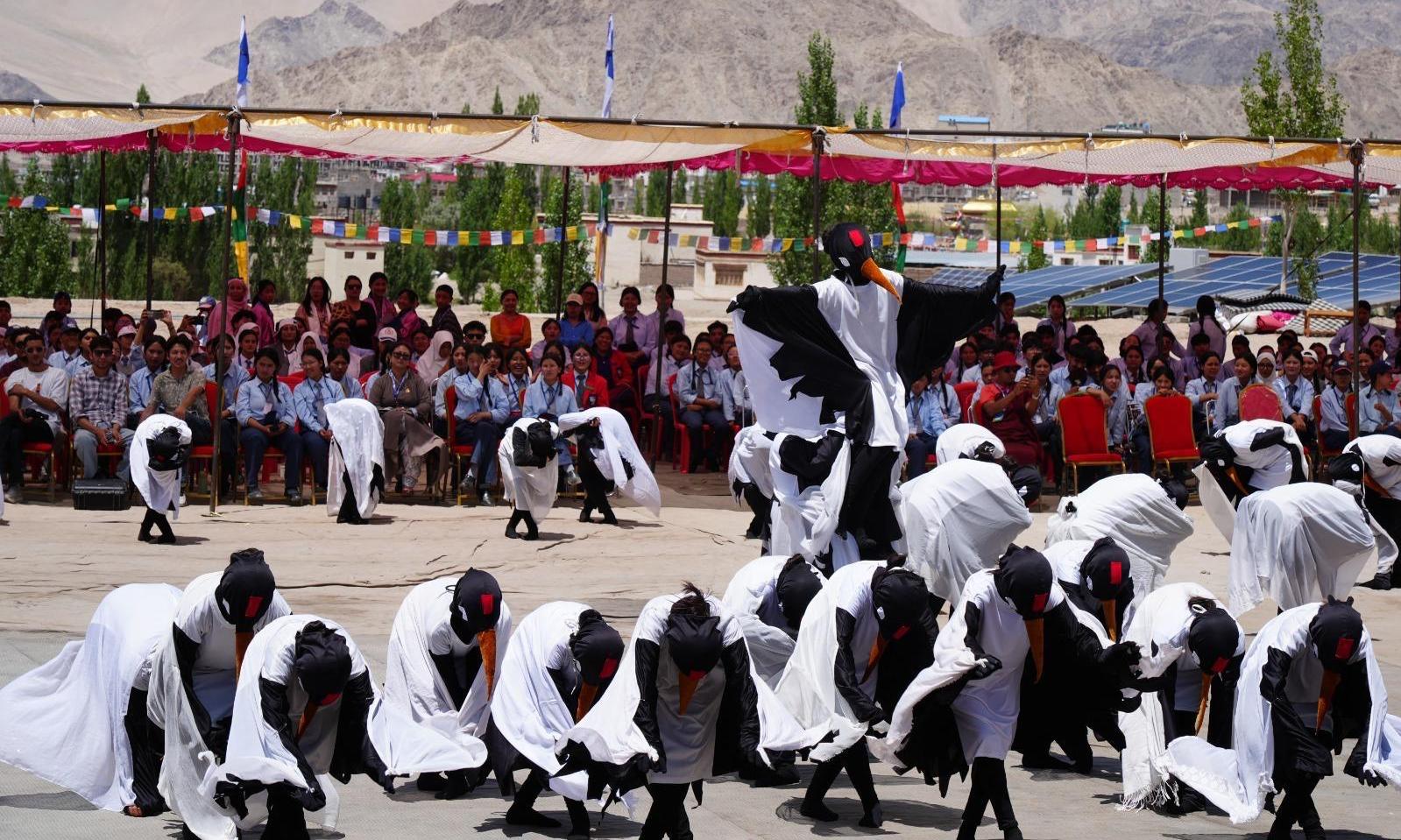
Ladakh Hosts India's First Black-Necked Crane Festival

Wular Lake's Declining Water Levels Threaten Livelihoods
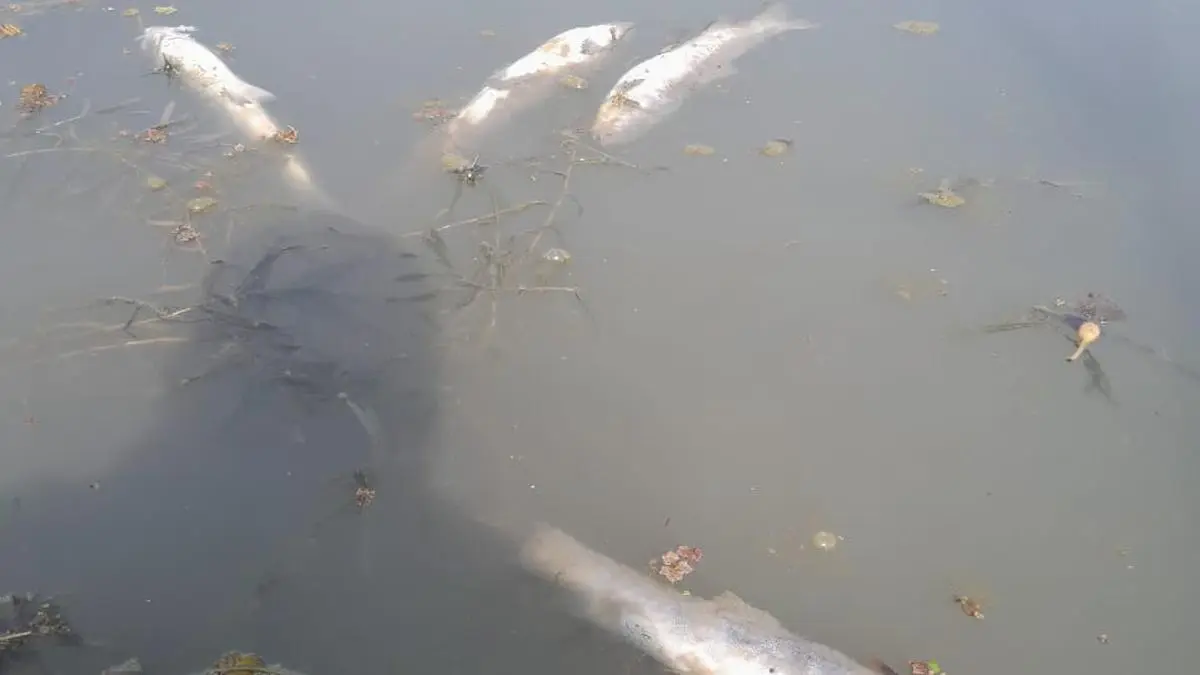
Mass Fish Deaths in Wular Lake Spark Livelihood Concerns

5 Lesser-Known Winter Destinations in Kashmir
