1 week ago
Glaw Lake Becomes India’s 101st Ramsar Site in Arunachal

Glaw Lake is a freshwater lake high in the Eastern Himalayas.
It is inside a protected area in Arunachal Pradesh, India.
The lake is home to many plants and helps support water-dependent animals.
The Mishmi community also considers it sacred.
On 3 August 2026, it was named a Ramsar Site, meaning it is internationally important as a wetland.
Scientists had to study its plants, animals, water systems and surrounding landscape before it could be nominated.
The new status does not mean conservation work is finished.
Experts say the lake and other wetlands need careful management that considers wildlife, local people, pollution and future tourism.

Glaw Lake became India’s 101st Ramsar Site and Arunachal Pradesh’s first Wetland of International Importance on 3 August 2026.
The freshwater lake lies 1,168 metres above sea level inside the Kamlang Tiger Reserve and Wildlife Sanctuary.
A December 2024 survey documented the lake’s biodiversity, hydrology, ecological characteristics, social importance and cultural significance to the Mishmi community.
More than 150 tree species and 49 orchid species have been recorded in the wetland and its catchment, which also provides habitat for the critically endangered white-bellied heron.
The Ramsar designation brings documentation and management responsibilities, but experts say wetlands outside the list also require inventories, monitoring and locally appropriate conservation.
- Who
- Glaw Lake, Indian wetland authorities, survey scientists and the Mishmi community are central to the designation.
- What
- Glaw Lake was designated India’s 101st Ramsar Site and Arunachal Pradesh’s first Wetland of International Importance.
- Where
- Glaw Lake is in the Kamlang Tiger Reserve and Wildlife Sanctuary, Arunachal Pradesh, at 1,168 metres above sea level.
- When
- The designation took effect on 3 August 2026; the announcement was reported on 4 August 2026.
- Why
- The lake and its catchment have documented ecological, hydrological, biodiversity and cultural importance, including habitat for wetland-dependent species.
Key facts
- Ramsar status
- India’s 101st Ramsar Site and Arunachal Pradesh’s first Wetland of International Importance
- Designation date
- 3 August 2026
- Location
- Kamlang Tiger Reserve and Wildlife Sanctuary, Arunachal Pradesh
- Elevation
- 1,168 metres above sea level
- Recorded plant diversity
- More than 150 tree species and 49 orchid species in the wetland and its catchment
- Notable wildlife
- The wetland provides habitat for water-dependent species, including the critically endangered white-bellied heron
- Survey
- A team trekked more than 16 kilometres to survey Glaw Lake on 18 and 19 December 2024
- National trend
- India’s Ramsar network grew from 26 sites in 2014 to 101 in 2026
Sources
Related news
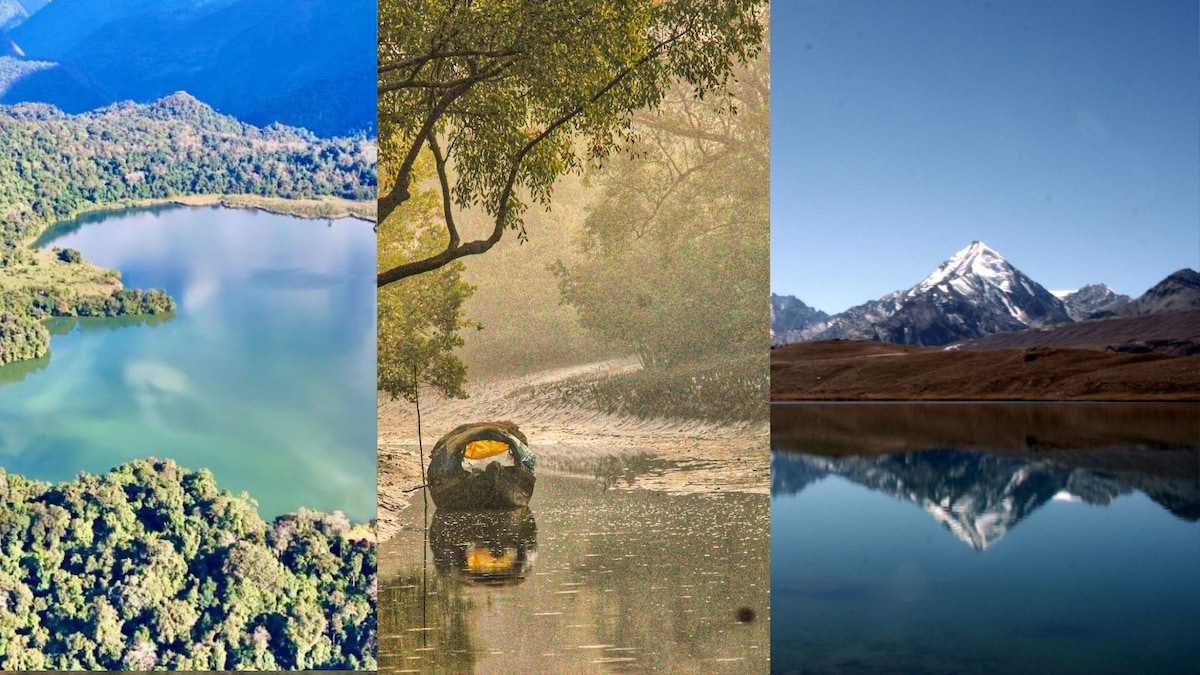
Arunachal Pradesh's Glaw Lake becomes India's 101st Ramsar Site

Kasganj Wetlands Gain Legal Protection Through Uttar Pradesh Gazette

Environmentalists Seek Fast Conservation Status for Navi Mumbai’s DPS Lake
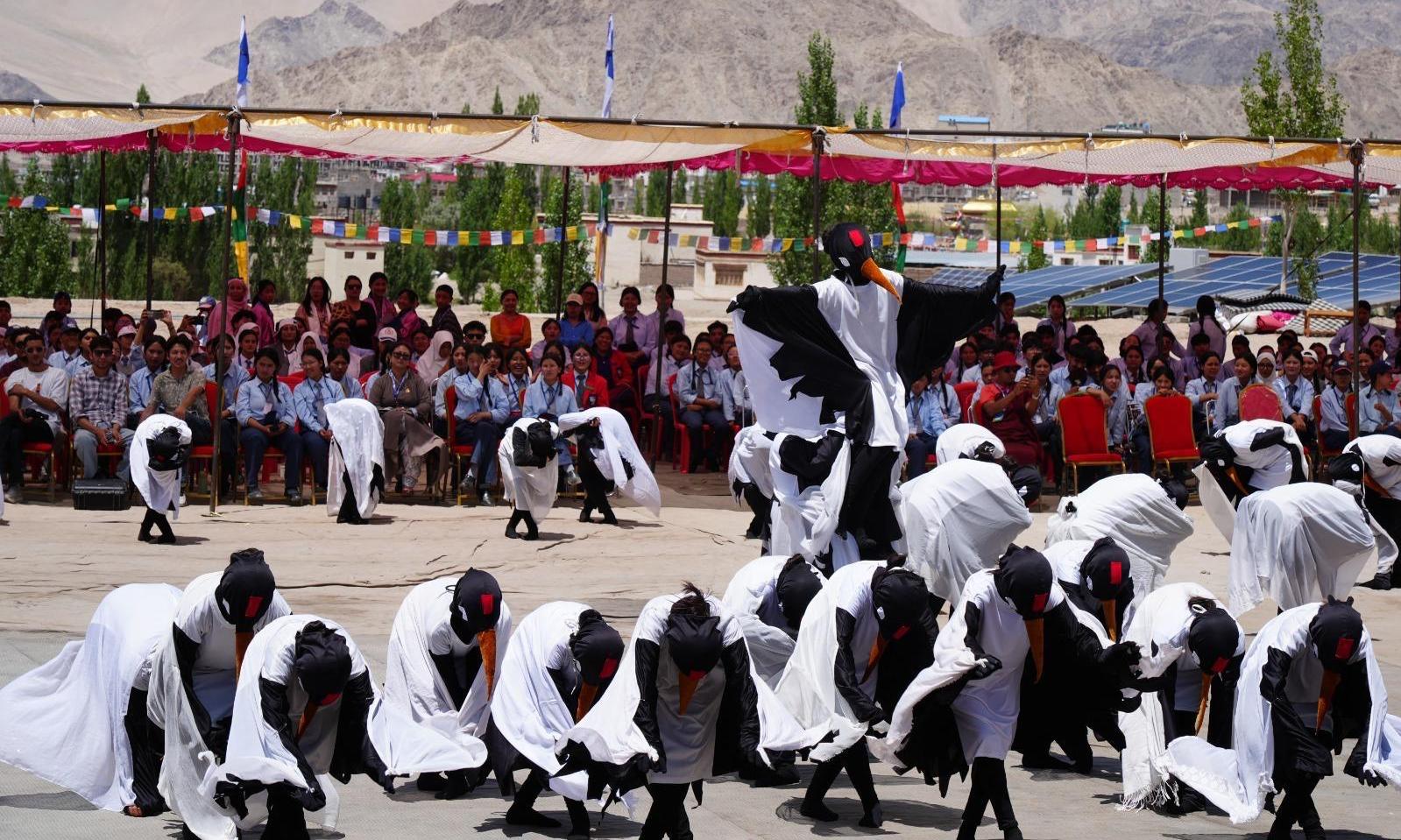
Ladakh Hosts India's First Black-Necked Crane Festival