4 days ago
India’s Sugar Price Surge Exposes Deeper Supply-Management Challenges
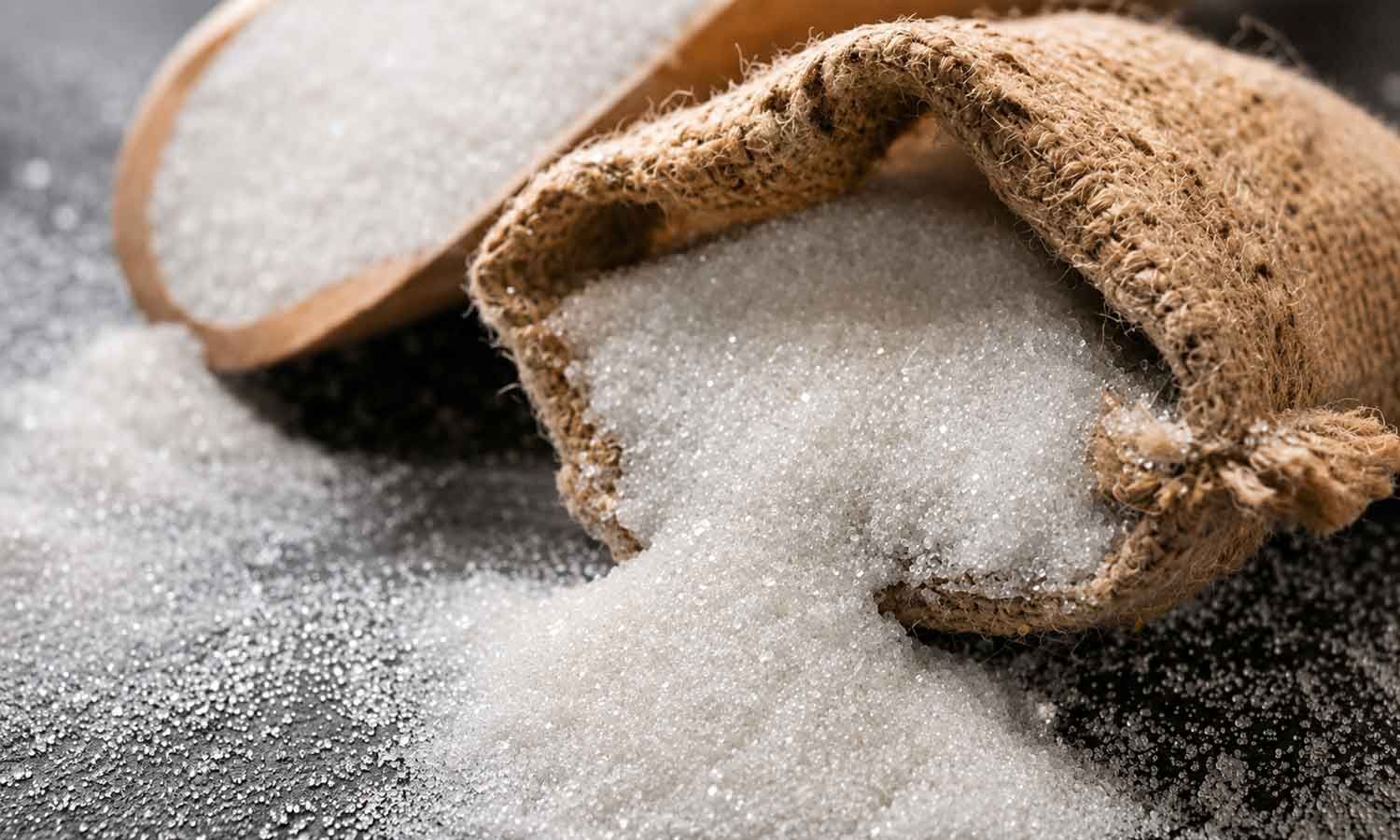
Sugar has become much more expensive in India in a short time.
This does not necessarily mean the country has run out of sugar.
Some supplies may be held back or distributed unevenly, making shops pay more.
People and businesses may also buy extra sugar because they expect prices to rise.
Bad weather has affected sugarcane crops in some important producing States.
More demand during the festive season could make the problem worse.
The Government is trying to help by allowing imports and limiting how much sugar can be stored.
These steps may lower prices, but importing too much could hurt sugar mills and farmers.
The main challenge is getting sugar from farms and warehouses to consumers at reasonable prices.

Sugar prices rose nearly 16% in one month as festive-season demand approached.
India still has substantial sugar stocks, but uneven distribution, tighter availability and stockpiling have raised retail prices.
Weather disruptions in Maharashtra and Karnataka have reduced cane yields and made sugar-output forecasts uncertain.
The Centre is facilitating sugar imports and imposing stock limits to improve availability and curb hoarding.
Higher sugar costs could pressure households, sweet shops, bakeries and food businesses, especially in Telangana and Andhra Pradesh.
- Who
- Consumers, sugar mills, sugarcane farmers, traders, food businesses and the Centre are affected by or involved in the price rise.
- What
- Sugar prices increased sharply amid tighter availability, uneven distribution, demand expectations and uncertain production.
- Where
- The issue affects India, including markets in Telangana and Andhra Pradesh such as Hyderabad, Vijayawada, Kurnool and Warangal.
- When
- The increase occurred over one month, with additional pressure expected as the festive season approaches.
- Why
- Weather-related production concerns, festive demand, stockholding, supply-chain weaknesses and competing uses including ethanol have tightened market availability.
Consumer-Focused Intervention
Supply-and-Farmer Caution
Imports and stock limits
Consumer-Focused Intervention
Imports and limits on stocks can quickly improve availability, discourage hoarding and moderate price expectations.
Supply-and-Farmer Caution
Excessive imports or abrupt policy changes could depress domestic prices, weaken sugar mills and affect timely payments to farmers.
Role of ethanol
Consumer-Focused Intervention
Diverting sugar toward ethanol can reduce the quantity available for human consumption and contribute to tighter supplies.
Supply-and-Farmer Caution
Ethanol should not be treated as the sole cause because the Government says sugar diversion has declined and grain-based ethanol has gained a larger role.
Price management
Consumer-Focused Intervention
Stronger inventory reporting, supply monitoring and action against hoarding are needed to protect consumers from localised scarcity.
Supply-and-Farmer Caution
Consumer protection should not permanently suppress prices paid to farmers, who need remunerative returns and financially stable mills.
Key facts
- Price increase
- Sugar prices rose by nearly 16% in one month.
- National supply
- India remains one of the world’s largest sugar producers and industry bodies say adequate stocks are available.
- Weather impact
- Excess rainfall and changing weather patterns affected cane yields and sugar recovery in Maharashtra and Karnataka.
- Government response
- The Centre is facilitating sugar imports and imposing stock limits.
- Demand pressure
- Festive-season demand for sweets, beverages and processed foods is expected to increase.
- Business impact
- Sweet shops, bakeries, restaurants and small food businesses may absorb higher costs, reduce quantities, change recipes or raise prices.
- Policy concern
- Imports and other interventions must balance consumer prices with mill finances and timely farmer payments.
Sources
Related news
Why India Suddenly Needs Sugar Imports as Prices Rise

India’s Sugar Prices Surge as Demand, Weather and Speculation Weigh

ISMA Says India’s Sugar Prices Will Ease Soon
Government Rejects Ethanol Link, Blames Hoarding for India Sugar Surge
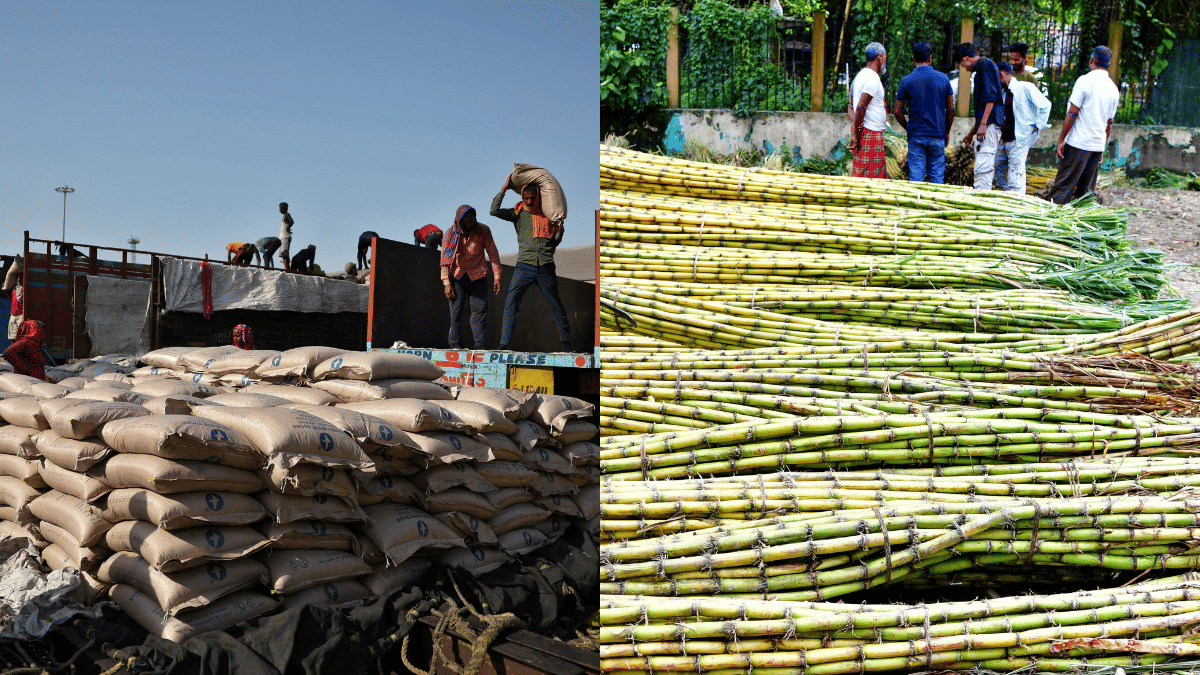
India’s Sugar Prices Surge Amid Supply Crunch, Speculation
India's Sugar Prices Rise as Centre Rejects Ethanol Link

Pawan Kalyan Birthday Celebrations Feature Bike Rallies Across Andhra Pradesh

Collector Rajakumari Receives Red Cross Gold Medal for Services
IB Detains Shivtek Safety Officer Amid 2016 Blast Concerns

Krishna Collector Balaji Receives Red Cross Seva Swarna Award Again

AP Governor Presents Red Cross Awards to Seven District Collectors