1 week ago
Election Roll Dispute Puts Trust in India’s Machinery Under Scrutiny
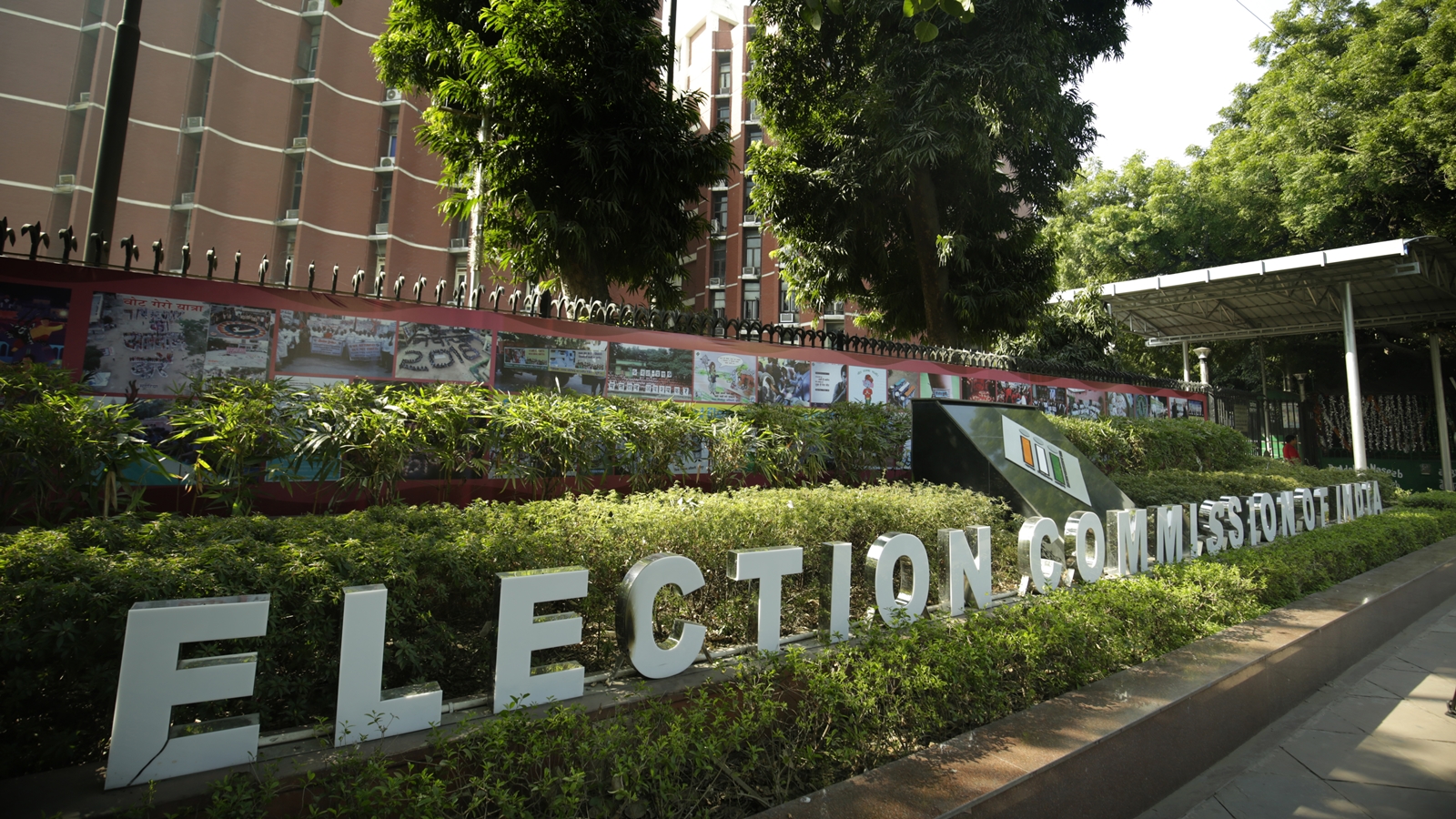
Elections depend on accurate lists of people who can vote.
The article says people must trust the institution that manages those lists.
It recalls that a political alliance accepted the 2020 Bihar election result despite raising complaints.
It argues that accepting a result does not mean every concern has disappeared.
A reported investigation raised questions about how some electoral-roll decisions were made.
In Goa, 97 people were reportedly approved by an election officer but left off the final list because computer software did not allow the decision to be entered.
The article says technology should help officials, not prevent them from protecting a constitutional right.
It concludes that voters must be able to believe their votes are protected.

The article argues that public trust in the Election Commission of India is more important than any single election result.
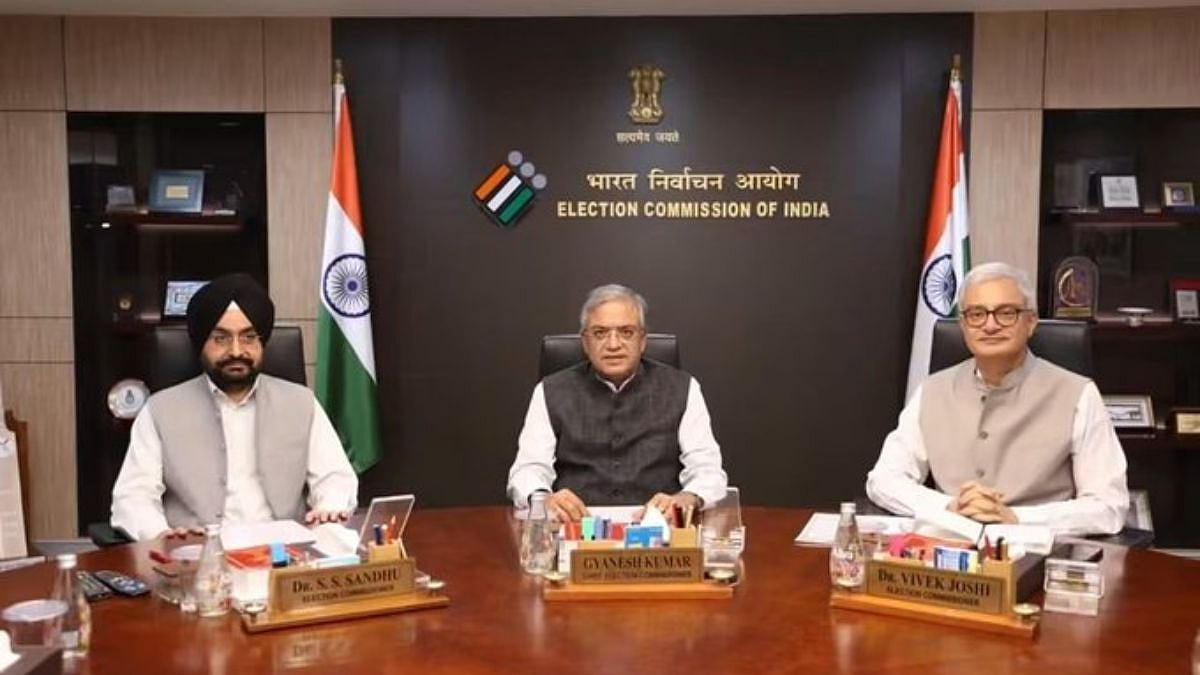
An Indian Express investigation reportedly found that two of the ECI’s three members objected to decisions affecting electoral rolls.
Reported concerns involve voter eligibility, deletions and restorations, database access, and changes to electoral records.
In Goa, 97 voters were reportedly found eligible by an Electoral Registration Officer but excluded because software could not record the decision.
The article also questions changes to Form 6 that linked new voters to their own or relatives’ presence on earlier electoral rolls.
- Who
- The Election Commission of India, two of its three members, Electoral Registration Officers, voters, and political parties are central to the article.
- What
- The article examines reported disagreements over electoral-roll decisions and argues that they threaten confidence in election administration.
- Where
- The examples concern India, including Bihar and Goa.
- When
- The article recalls November 10, 2020, and discusses an Indian Express investigation published on September 23; the year of that publication is not specified.
- Why
- The issue matters because electoral-roll decisions determine who can vote, while institutional credibility is necessary for public acceptance of election results.
Key facts
- Institution
- Election Commission of India
- Historical example
- The author recalls raising complaints during counting of the 2020 Bihar Assembly election before accepting the declared mandate.
- Reported disagreement
- Two of the ECI’s three members reportedly said important electoral-roll decisions were taken without their knowledge or against their objections.
- Goa case
- The article says 97 voters were found eligible by an Electoral Registration Officer but were left out of the final roll because software prevented the decision from being recorded.
- Form 6
- Reported changes linked new-voter applications to the applicant’s or parents’ or grandparents’ presence on an earlier electoral roll.
- Core concern
- The article argues that technology and administrative systems must not override the constitutional right to vote.
Sources
Related news

Election Panel Disputes Raise Questions About Public Confidence

India's Election Commission Faces Calls for Complete Overhaul
Election Commission Faces Questions Over Voter Roll Decisions

Election Commission Faces Calls for Greater Transparency After Internal Disputes

Digvijaya Singh Questions Election Commission’s Impartiality and Decisions

Two Election Commissioners Raise 14 Objections Over SIR Decisions

How Sukumar Sen Built India’s First Republic of Voters