1 hr ago
India's Election Commission Faces Calls for Complete Overhaul
India’s Election Commission is supposed to help make elections fair.
An editorial says people have lost trust in how the commission has been working.
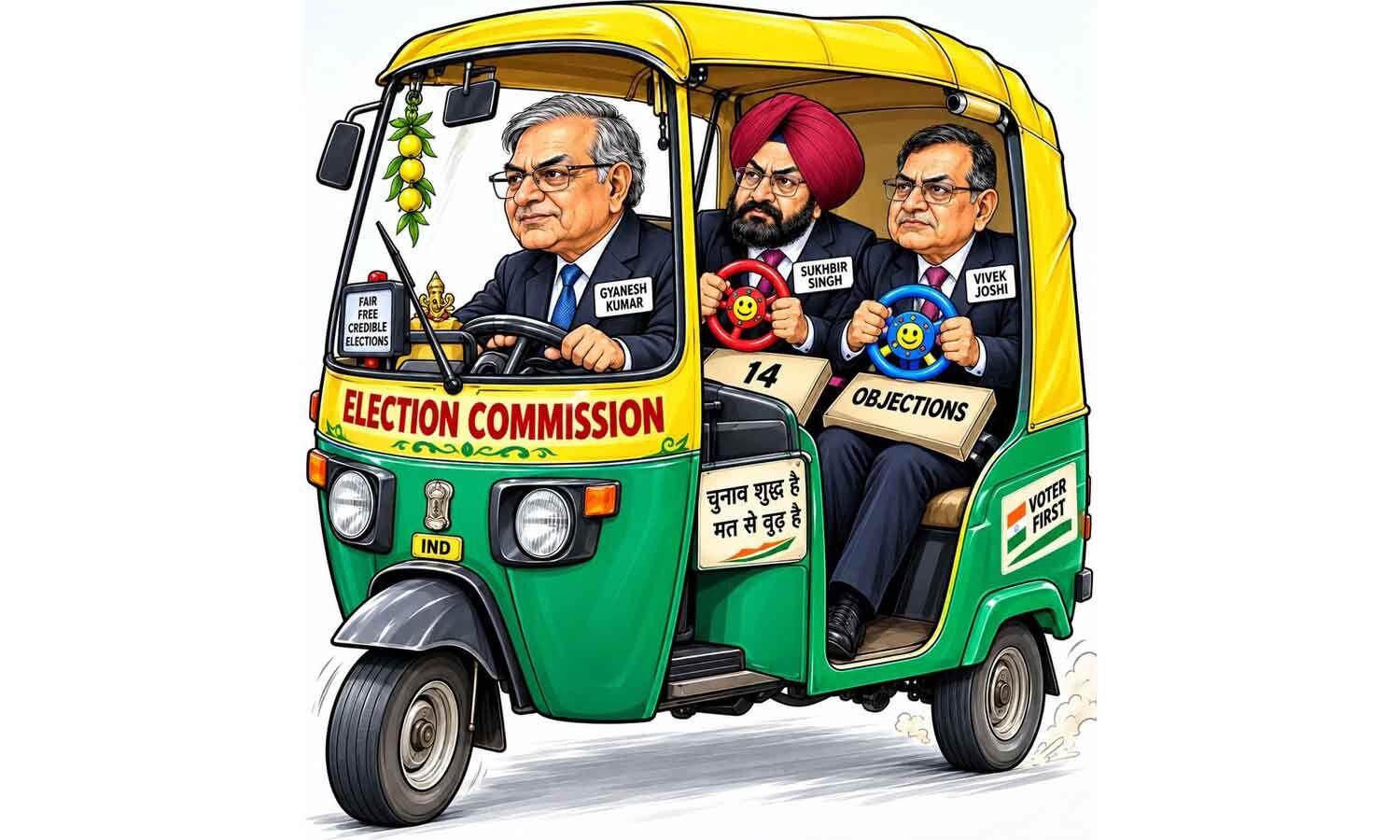
It says two election commissioners disagreed with the chief commissioner many times.
It also criticizes a voter-list review that removed many names.
Some people reportedly said their names were removed even though they were eligible to vote.
The editorial questions how computers, voter data, and official forms were used.
The Bharatiya Janata Party says disagreements inside the commission can be a healthy sign of democracy.
The editorial wants an investigation and major changes to make the commission appear independent and trustworthy again.

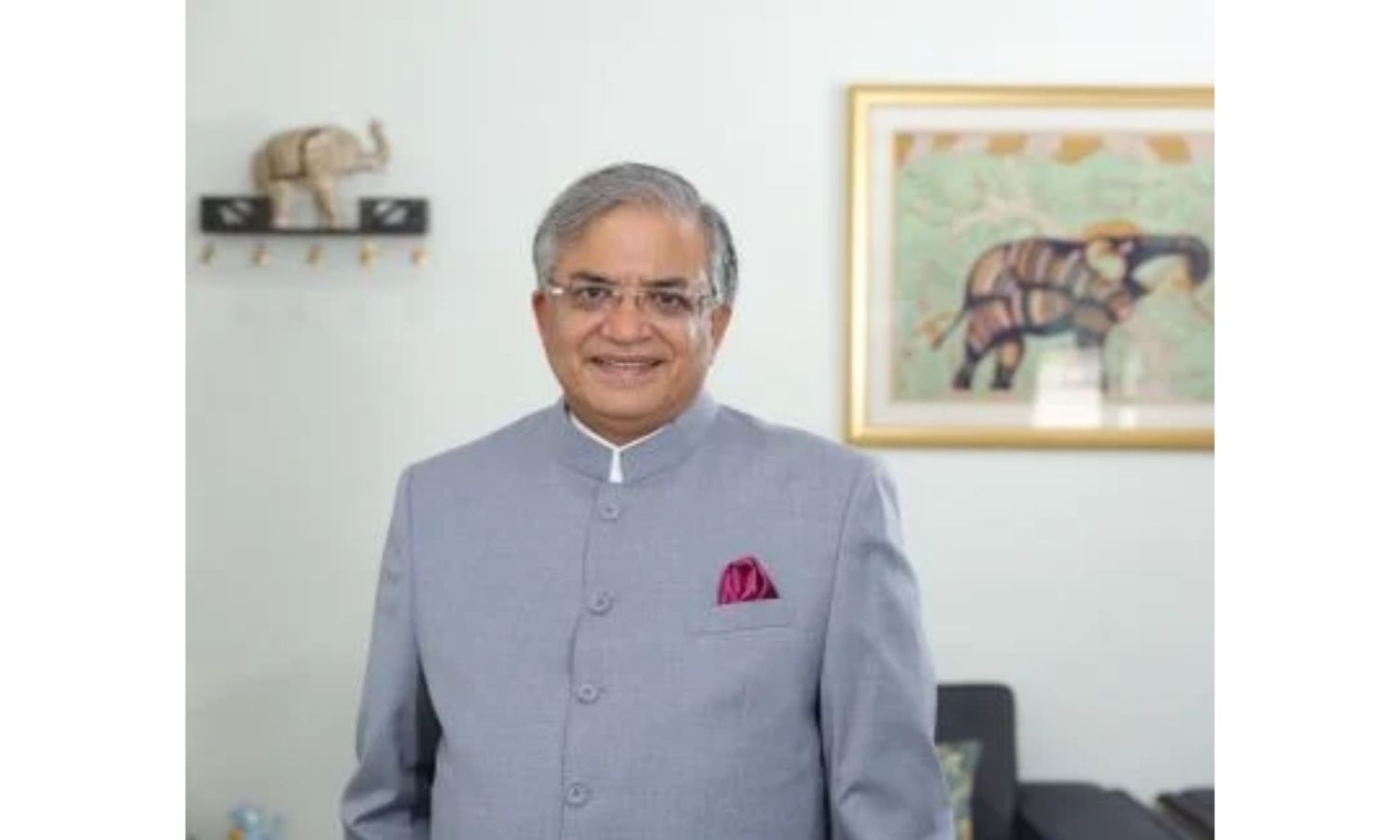
An editorial calls for an investigation into Chief Election Commissioner Gyanesh Kumar and the Election Commission’s functioning.
It says the two other election commissioners questioned the CEC’s decisions 14 times in 10 months.
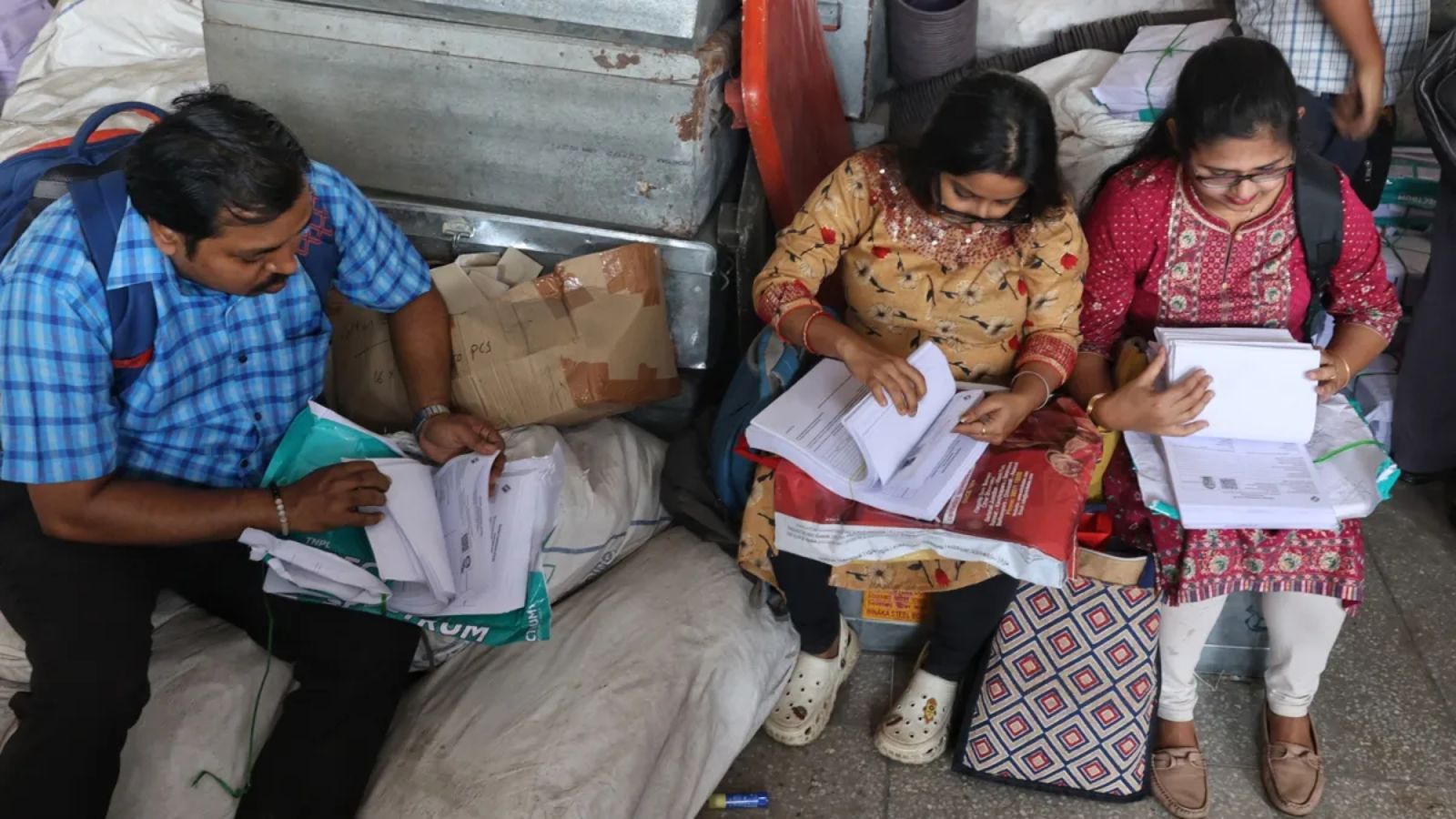
The article criticizes the Special Intensive Revision of voter rolls, alleging that millions of legitimate voters were deleted.
It raises concerns about centralized voter data, software-based deletions, changes to Form 6, and limited access to meeting records.
The editorial urges the CEC to leave office and calls on Parliament and the Supreme Court to restore the commission’s credibility.
- Who
- Chief Election Commissioner Gyanesh Kumar, the Election Commission of India, the other election commissioners, political parties, and affected voters.
- What
- An editorial alleges serious problems in the Election Commission’s decision-making and voter-roll revision, and calls for an investigation and institutional overhaul.
- Where
- India, including West Bengal and other states where the Special Intensive Revision was conducted.
- When
- The article refers to disagreements involving the CEC over a 10-month period; no specific date for the broader controversy is given.
- Why
- The editorial says the alleged voter deletions and internal decision-making problems threaten free and fair elections and have eroded public trust.
Critics and editorial view
BJP and Election Commission position
Meaning of internal disagreements
Critics and editorial view
The editorial says disagreements may reveal serious concerns about electoral administration and should not distract from alleged damage to the electoral process.
BJP and Election Commission position
The Bharatiya Janata Party is described as interpreting disagreements within the commission as a healthy sign in a democracy.
Voter-roll deletions
Critics and editorial view
Critics argue that the Special Intensive Revision arbitrarily removed large numbers of legitimate voters and may have affected electoral rights.
BJP and Election Commission position
The Election Commission and its backers are described as treating the connection between deletions and election results as a coincidence.
Institutional independence
Critics and editorial view
The editorial argues that the CEC should leave office and that Parliament and the Supreme Court must take steps to restore credibility and independence.
BJP and Election Commission position
The article does not provide a detailed response from Gyanesh Kumar or the Election Commission to these demands.
Key facts
- Institution at issue
- Election Commission of India
- Chief election commissioner named
- Gyanesh Kumar
- Reported internal disagreements
- The two other commissioners reportedly questioned the CEC’s decisions 14 times in 10 months.
- Voter-roll process criticized
- Special Intensive Revision, or SIR, of electoral rolls
- West Bengal figures cited
- The article compares a reported 33-lakh difference in votes between the Bharatiya Janata Party and the Trinamool Congress with 22 lakh voters contesting deletions.
- Proposed immediate action
- The editorial calls for the CEC to leave office, followed by action from Parliament and the Supreme Court.
Quotes
Justice Dipankar Datta
Supreme Court justice cited in the editorial
“If free and fair elections are to be ensured, it is axiomatic that the ECI must not only be an independent body but also be seen to act independently.”
 deccanchronicle.com
Sources
Related news

Two Election Commissioners Raise 14 Objections Over SIR Decisions
Opposition Demands CEC Gyanesh Kumar’s Removal Over SIR Dissent

Opposition demands CEC removal after reported Election Commission dissent
Calls Grow to Rethink India’s Voter Roll Revision

Venugopal Demands CEC Gyanesh Kumar’s Resignation Over Voter Rolls
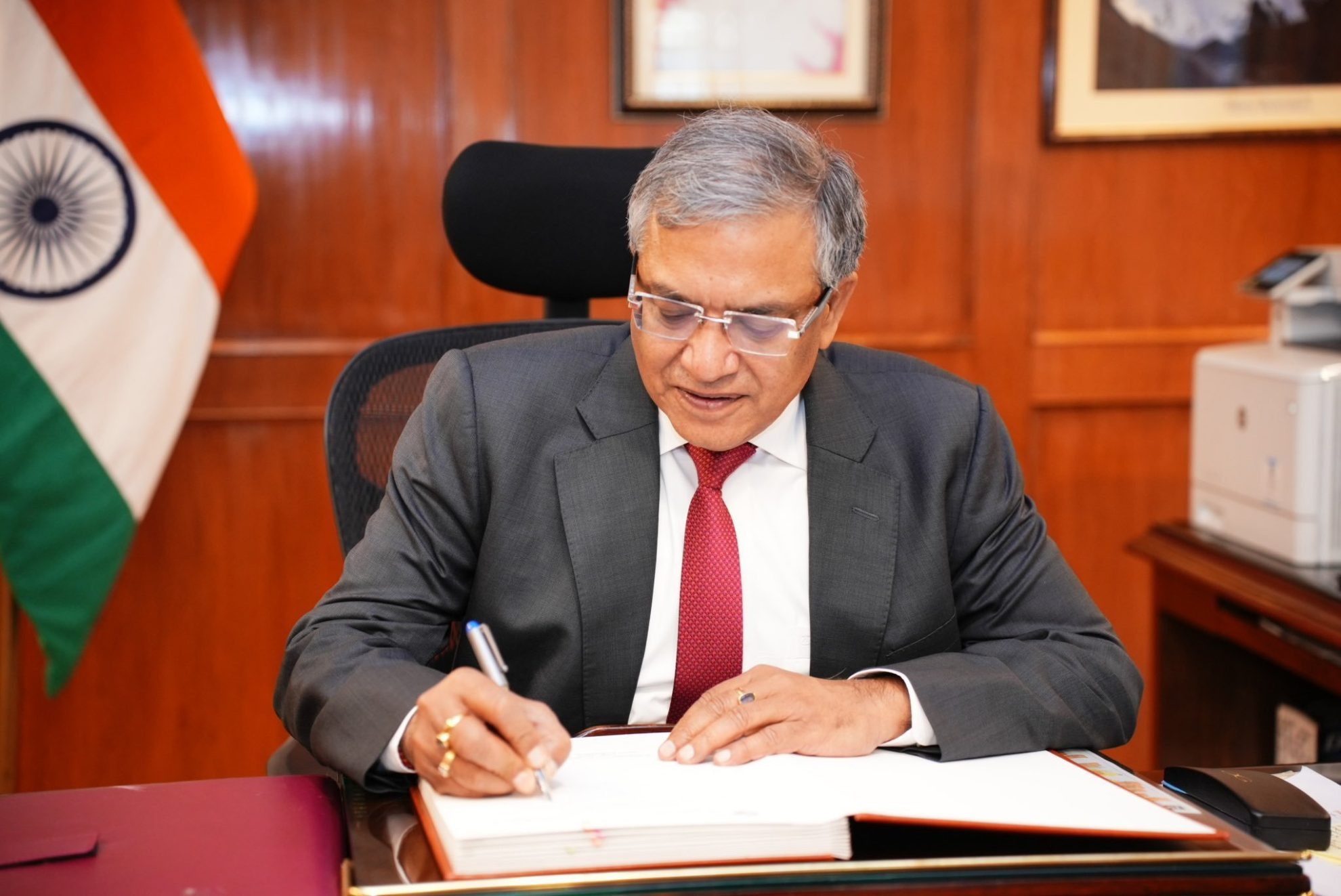
Opposition Parties Demand CEC Arrest, SIR Rollback and Repolls
Modi Pays Tribute to Deendayal Upadhyaya on Birth Anniversary

Supreme Court Questions Penalties for Refusing Vande Mataram
Why the Supreme Court Did Not Stop India’s SIR
Nitin Nabin Heads Jaipur Visit With Cleanliness, Youth Outreach

Samastipur Assault Video Prompts Ally’s Challenge to Bihar Government