3 hrs ago
Election Commission Faces Calls for Greater Transparency After Internal Disputes

India’s election body has faced questions about how it makes decisions.
Two of its three commissioners objected many times to decisions involving voter lists.
The objections covered adding voters, removing names, and restoring names.
After these concerns became public, the body held a meeting on Saturday.
It announced nine decisions and issued a four-page note.
Some people who received notices will not have to attend hearings in person.
The body also said it would share meeting agendas and publish minutes.
However, it did not answer several questions about who made certain decisions.
The article says the Commission must be more open so people can trust elections.

Two Election Commissioners recorded objections 14 times in 10 months over voter-registration and electoral-roll decisions.
The Election Commission of India issued a four-page note after its Saturday meeting and announced nine decisions.
The decisions include agenda circulation, publication of meeting minutes, greater flexibility for Electoral Registration Officers, and an ECINet review committee.
The Commission exempted some voters from in-person hearings over “logical discrepancies” and “unmapped” records.
Unanswered questions remain about Form 6, disputed appeals, software for restoring voter names, and conduct by senior officials.
- Who
- The Election Commission of India, including Chief Election Commissioner Gyanesh Kumar and Commissioners Sukhbir Singh Sandhu and Vivek Joshi.
- What
- The Commission responded to internal objections over decision-making, voter rolls, and electoral systems by announcing nine decisions.
- Where
- The issues involved the Election Commission of India and electoral-roll matters in India, including West Bengal and Goa.
- When
- The meeting took place on Saturday, after an investigation reported the commissioners’ objections over the previous 10 months.
- Why
- The Commission was urged to address concerns about transparency, internal checks and balances, and public trust in its impartiality.
Commission’s Response
Editorial Concerns
Whether the response addresses the objections
Commission’s Response
The Commission’s nine decisions address several objections recorded by Commissioners Sukhbir Singh Sandhu and Vivek Joshi, including changes to procedures and systems.
Editorial Concerns
The response leaves important concerns unanswered and does not fully explain earlier decisions or alleged unilateral conduct.
Transparency and accountability
Commission’s Response
The Commission said meeting agendas would be circulated in advance and minutes would be issued afterward, while also creating a committee to review ECINet.
Editorial Concerns
The note did not say who inserted the parents’ question into Form 6, who authorised appeals against voters in West Bengal, or whether action would be taken against named officials.
Protection of voter records
Commission’s Response
The Commission will give Electoral Registration Officers more flexibility and exempt some people from in-person hearings over “logical discrepancies” and “unmapped” records.
Editorial Concerns
Questions remain about why software requested to restore voter names in Goa was never enabled and how disputed voter-list decisions were handled.
Key facts
- Recorded objections
- Two of the three Election Commissioners recorded objections 14 times in 10 months.
- Subject of objections
- The objections concerned registering voters, deleting and restoring names, and control of the electoral-roll system.
- Commission response
- The Election Commission issued a four-page note announcing nine decisions after its Saturday meeting.
- Meeting procedures
- Agendas will be circulated before every Commission meeting and minutes will be issued afterward.
- Voter notices
- People issued notices for “logical discrepancies” or being “unmapped” will be exempted from in-person hearings.
- Pending review
- A committee will review ECINet, the system used in connection with electoral-roll management.
- Unresolved issues
- The note did not identify who added the parents’ question to Form 6 or who authorised certain appeals against voters in West Bengal.
Sources
Related news

Election Panel Disputes Raise Questions About Public Confidence
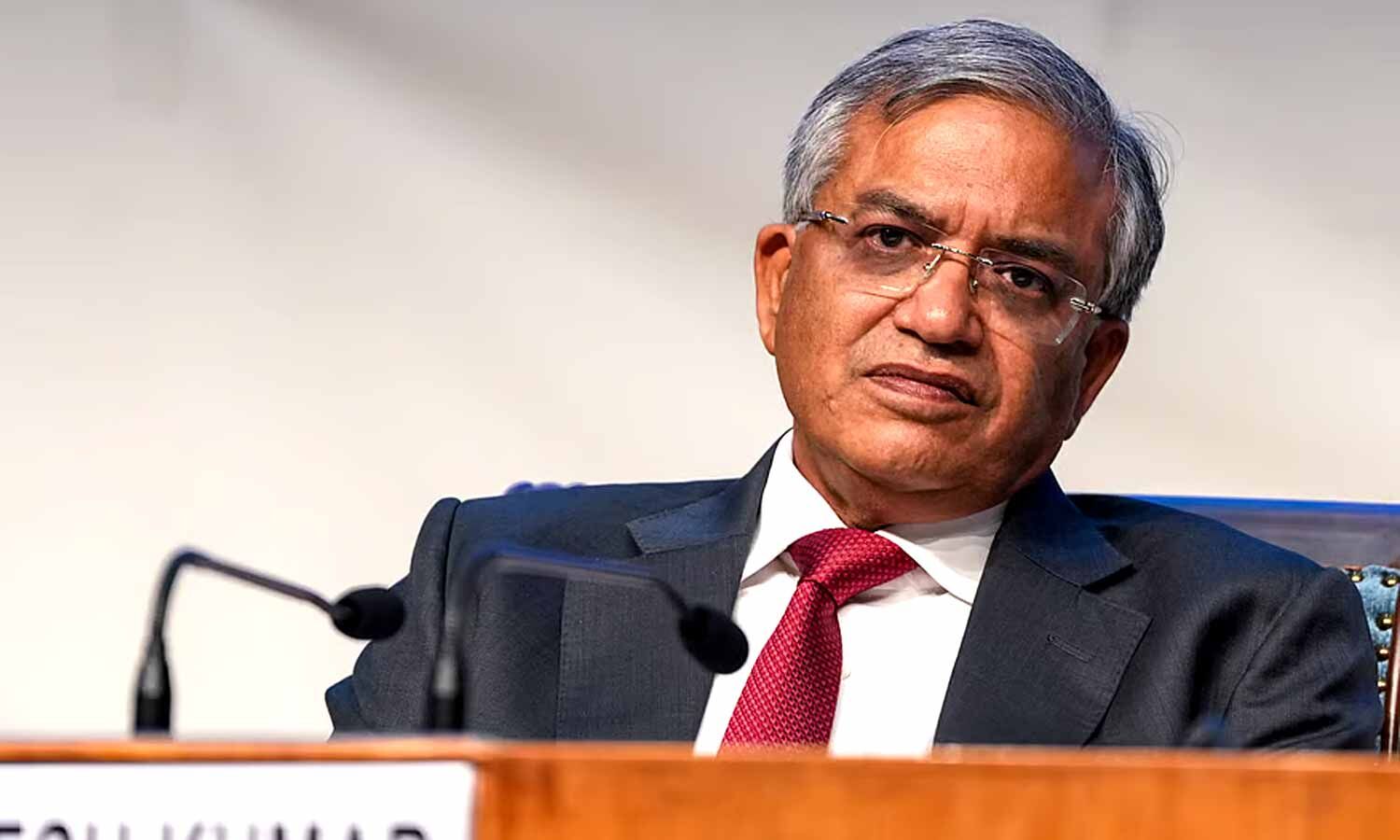
Election Commission Says SIR Decisions Were Unanimous After Rift Report

Two Election Commissioners Raise 14 Objections Over SIR Decisions
Election Commission Calls SIR Decisions Unanimous Despite Internal Objections
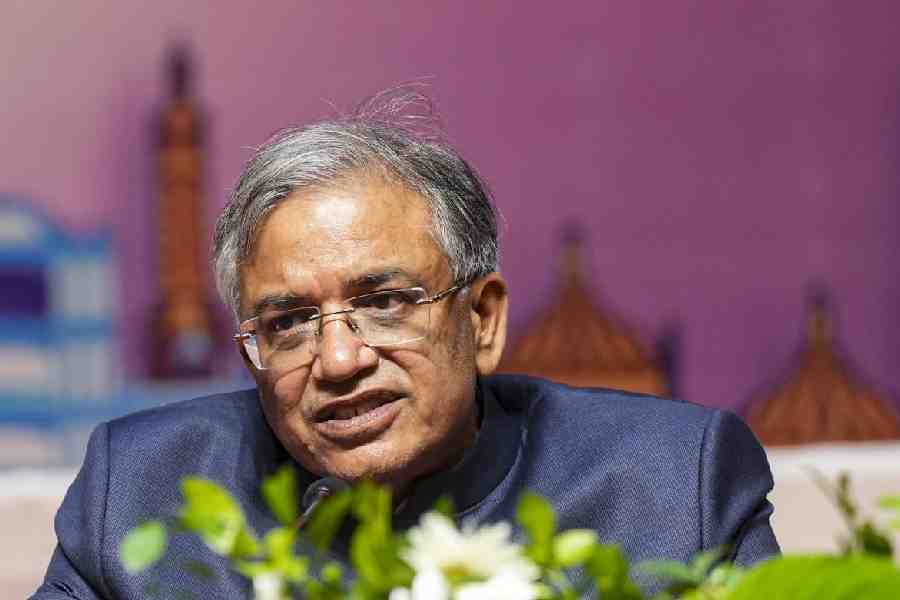
Election Commission Says SIR Decisions Were Unanimous Despite Objections
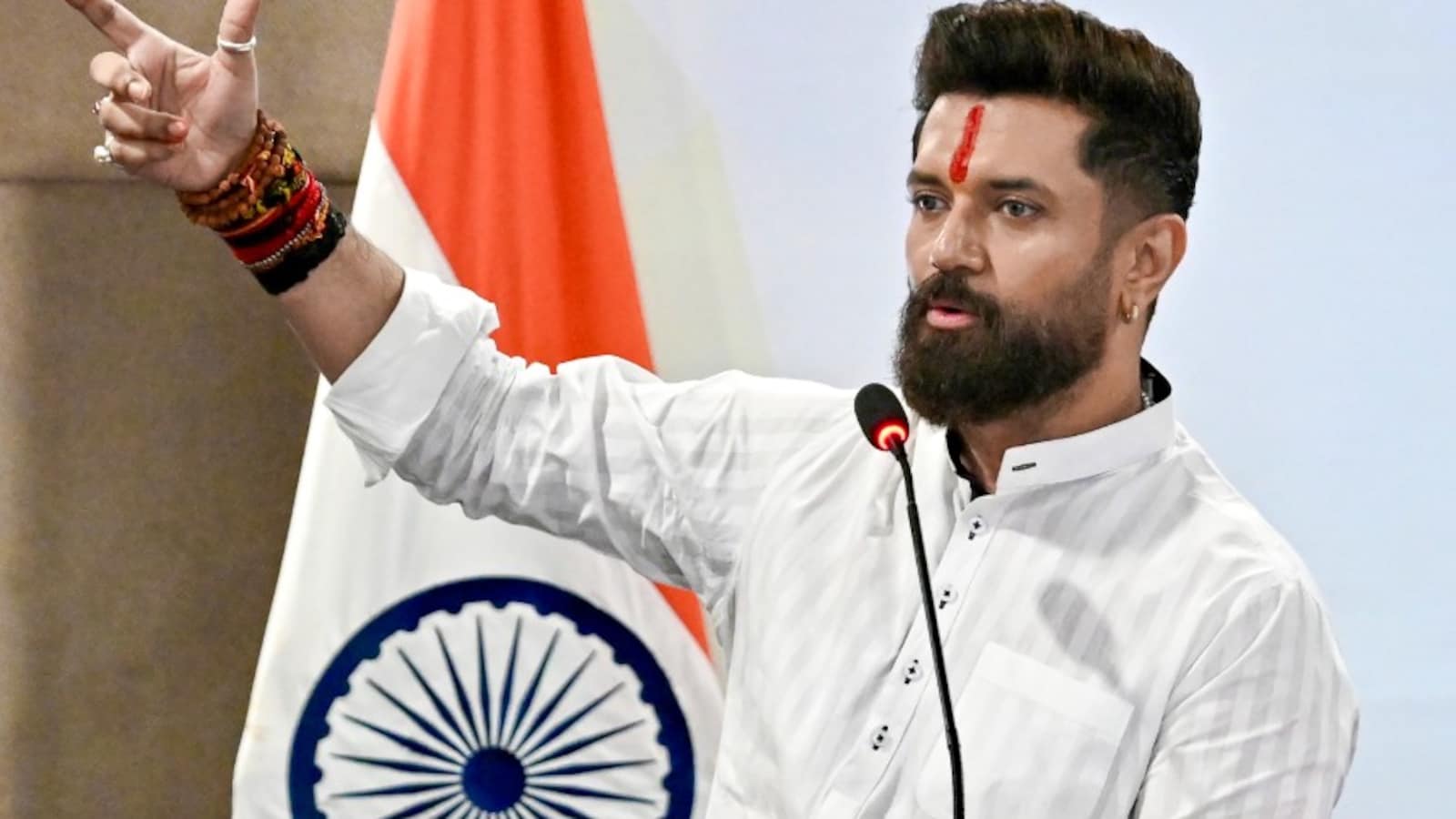
Paswan urges poll chief to clarify amid Election Commission rift
CJP Reviews Assam Schools After Detention, Flags Infrastructure Gaps
Former Minister Alleges Election Roll Revision Violates Law

Calls Grow to Remove Election Commissioners and Scrap SIR
Anti-Gyanesh protests spread nationwide as Opposition parties demand CEC resignation