2 weeks ago
Stories behind Kolkata's most intriguing street names revealed
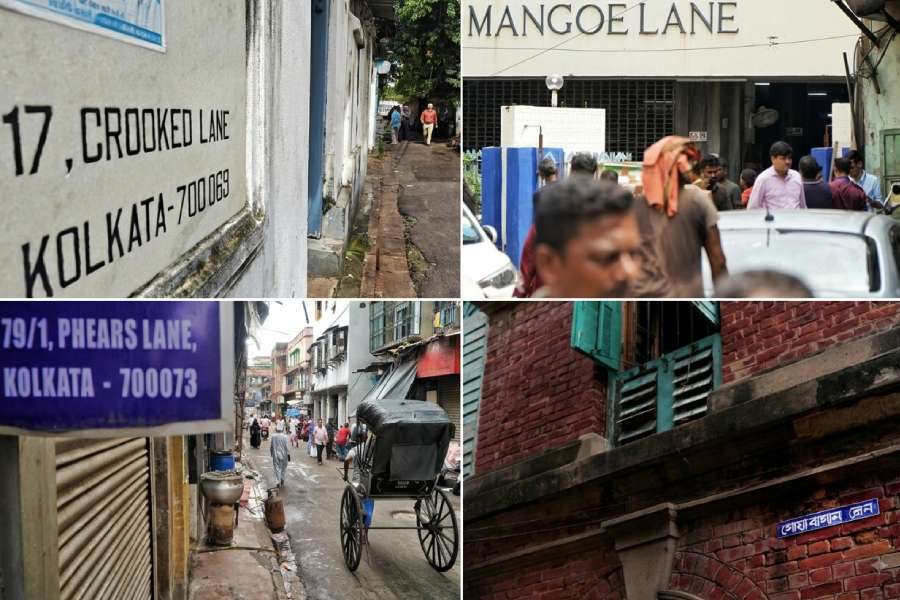
In the city of Kolkata, many streets have funny-sounding names that do not mean what you might think.
Phears Lane is not about fear; it is named after a kind judge called Sir John Budd Phear.
Goabagan does not lead to Goa; its name comes from a Bengali word for betelnut.
Simla Street is not in the mountains; it was named after silk-cotton trees that once grew there, and Swami Vivekananda was born nearby.
Mangoe Lane keeps an old spelling from the time when mango orchards covered the area.
Swallow Lane is named after a French word, l'hirondelle, which means swallow, and was the name of a person who lived there long ago.
Crooked Lane got its name because the road really is crooked and winding.
These names tell us stories about Kolkata's past, from judges and tea traders to wrestlers and revolutionaries.
Learning about street names is like finding little pieces of history hidden around the city.

Phears Lane is named after Sir John Budd Phear, a Calcutta High Court judge from 1864 to 1877 remembered for his fairness.
Goabagan's name comes from 'guwa', the Bengali word for betelnut, not from the Goan beach destination.
Simla Street derives its name from simul (silk-cotton) trees and lies in the neighbourhood where Swami Vivekananda was born.
Mangoe Lane is among Kolkata's oldest streets, with records dating to the mid-18th century, and keeps a colonial-era spelling.
Swallow Lane was named after an 18th-century resident, L'Hirondelle (French for swallow), while Crooked Lane was named by the British East India Company for its winding shape.
- Who
- Historian and professor Sarbajit Mitra and scientist and writer Kaushik Majumdar explained the origins, which recall figures such as Sir John Budd Phear and Swami Vivekananda.
- What
- The history and meanings behind some of Kolkata's most intriguing street names, including Phears Lane, Goabagan, Simla Street, Mangoe Lane, Swallow Lane and Crooked Lane.
- Where
- Kolkata (formerly Calcutta), India.
- When
- The names date back to the 18th and 19th centuries, with Phear serving as judge from 1864 to 1877 and Mangoe Lane's records dating to the mid-18th century.
- Why
- The names preserve colonial history, Bengali etymology and local geography that might otherwise be lost.
Key facts
- City
- Kolkata (formerly Calcutta), India
- Streets covered
- Phears Lane, Goabagan, Simla Street, Mangoe Lane, Swallow Lane, Crooked Lane
- Phears Lane namesake
- Sir John Budd Phear, judge of the Calcutta High Court from 1864 to 1877, later Chief Justice of Ceylon
- Goabagan etymology
- From 'guwa', Bengali for betelnut; linked to Guwahati in Assam
- Simla etymology
- From simul (silk-cotton) trees; neighbourhood is the birthplace of Swami Vivekananda
- Mangoe Lane
- Among Kolkata's oldest streets, with records dating to the mid-18th century; home to 4 Mangoe Lane, McLeod Russel headquarters
- Swallow Lane namesake
- L'Hirondelle, French for swallow, an 18th-century resident
- Crooked Lane
- Named by the British East India Company in the 18th century for its bent, winding shape
Quotes
Kaushik Majumdar
Author and scientist
“"While many Kolkata streets commemorate colonial officials, Phear was remembered for something uncommon in his time — a reputation for fairness that rose above the racial prejudices of the Raj,"”
 telegraphindia.com
“"The name's etymology links it to Guwahati, the capital of Assam: the word ‘Goa’ or ‘Guwa’ refers to the betelnut, suggesting that Goabagan was once a garden of betelnut trees."”
telegraphindia.com
Sources
Related news
Kolkata’s ‘Mini-Bangladesh’ Reveals Fire Risks Behind Cheap Hotels

Chennai Begins Removing Caste References From Street Names
How Charnock’s Riverbank Decision Shaped Kolkata’s Modern Identity
BJP MLA renames Netaji road after Syama Prasad Mookerjee
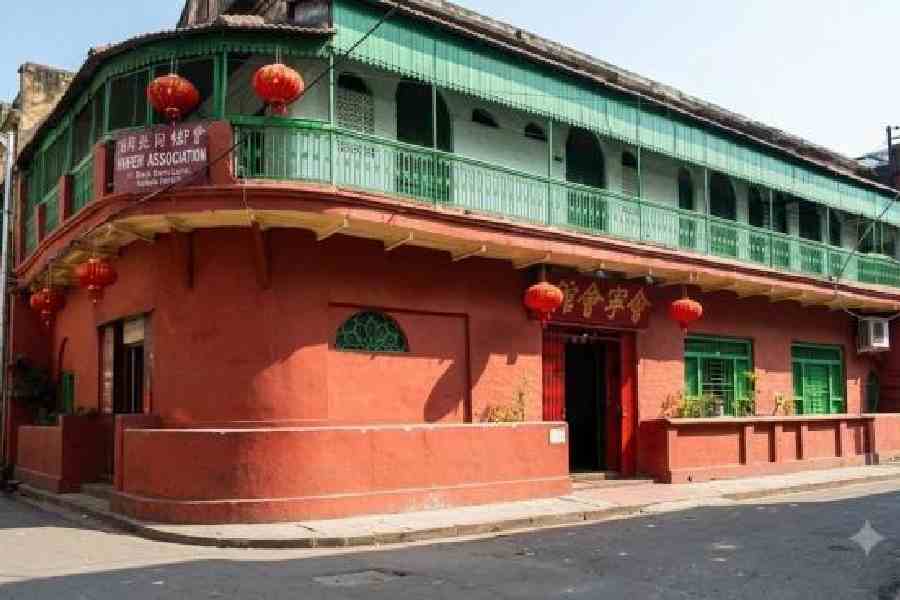
Cheenapara Gallery to Preserve Calcutta’s Chinese Community Heritage