6 hrs ago
How Sukumar Sen Built India’s First Republic of Voters
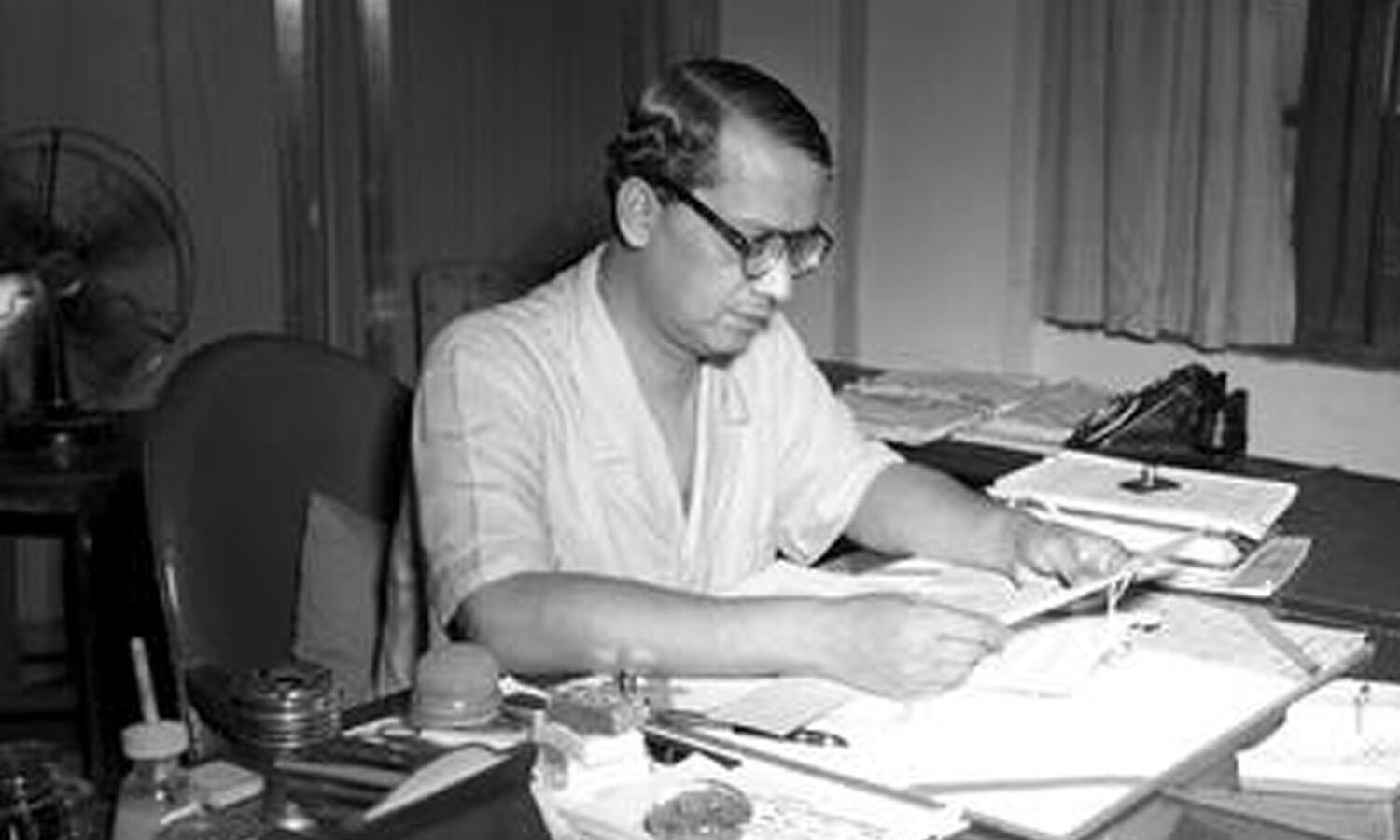
After India became independent, it needed to hold its first big election.
Sukumar Sen was the first person in charge of organizing it.
His team had to find and register more than 17 crore voters without computers or modern databases.
Workers traveled through mountains, deserts, forests, villages, and cities to reach people.
Sen also insisted that women be recorded using their own names.
Because many people could not read, political parties received simple symbols and ballot boxes used different colors.
The article says this showed that democracy should include as many people as possible.
Today, elections use digital tools and electronic voting machines, but the goal should remain the same.
Every eligible citizen should have a fair chance to vote.

Sukumar Sen, India’s first Chief Election Commissioner, organized the country’s inaugural general election after independence.
Election workers traveled across difficult terrain to register more than 17 crore voters from scratch.
Sen insisted that women be listed by their own names rather than only as relatives of men.
Symbols and color-coded ballot boxes helped illiterate voters cast secret ballots.
The article argues that modern technology should expand participation rather than exclude legitimate voters.
- Who
- Sukumar Sen, India’s first Chief Election Commissioner, and the election workers who helped register voters.
- What
- They built the electoral rolls and organized India’s first general election.
- Where
- Across India, including Himachal Pradesh, Rajasthan, and the Northeast.
- When
- The effort began after India became sovereign in 1950; the article also discusses the electoral system under Chief Election Commissioner Gyanesh Kumar in 2024.
- Why
- To identify every citizen, register eligible voters, and enable people to participate in democracy.
Inclusion-first approach
Verification-first approach
Purpose of electoral administration
Inclusion-first approach
The article argues that election systems should actively seek out every legitimate voter and prioritize broad participation.
Verification-first approach
The article acknowledges that accurate electoral rolls and identity checks are important for election integrity.
Use of technology
Inclusion-first approach
Digital databases and verification tools should serve as bridges to participation and prevent legitimate voters from being left behind.
Verification-first approach
Modern election machinery emphasizes verification algorithms, identity cross-checks, and record removal, which the article warns can become overly restrictive.
Key facts
- First Chief Election Commissioner
- Sukumar Sen
- Initial electorate
- More than 17 crore voters
- Registration method
- Election workers compiled electoral rolls door to door and village to village.
- Key inclusion measure
- Women were required to be registered under their own names.
- Accessibility measures
- Party symbols and color-coded ballot boxes helped voters who could not read.
- Modern electoral tools
- Digital verification, satellite communications, and Electronic Voting Machines.
Quotes

John Lewis
American civil rights leader and former U.S. congressman
“The vote is the most powerful non-violent tool we have in a democratic society.”
 thehansindia.com
Sources
Related news
Election Chief Defends Voter Roll Revision Amid Political Criticism
Election Roll Dispute Puts Trust in India’s Machinery Under Scrutiny

Election Commission Expands Electoral Literacy Clubs Across India
Voter Questions Burden of Proof in India’s SIR Revision
Gyanesh Kumar Calls India’s Electoral Process Among World’s Most Transparent
Sonia Gandhi’s Surprise INDIA Bloc Arrival Triggers Seating Scramble
Kerala University Hostel Clash Triggers Protest Calls and Political Blame

Letters Debate Bulk Buying, Elections, Drug Prices And Food Standards
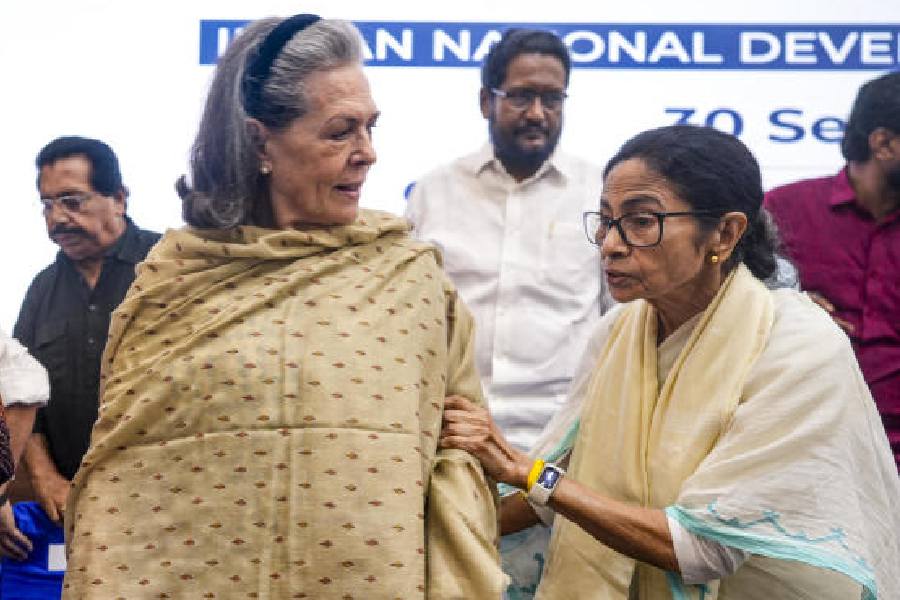
INDIA bloc plans protests against Election Commission, SIR, CEC