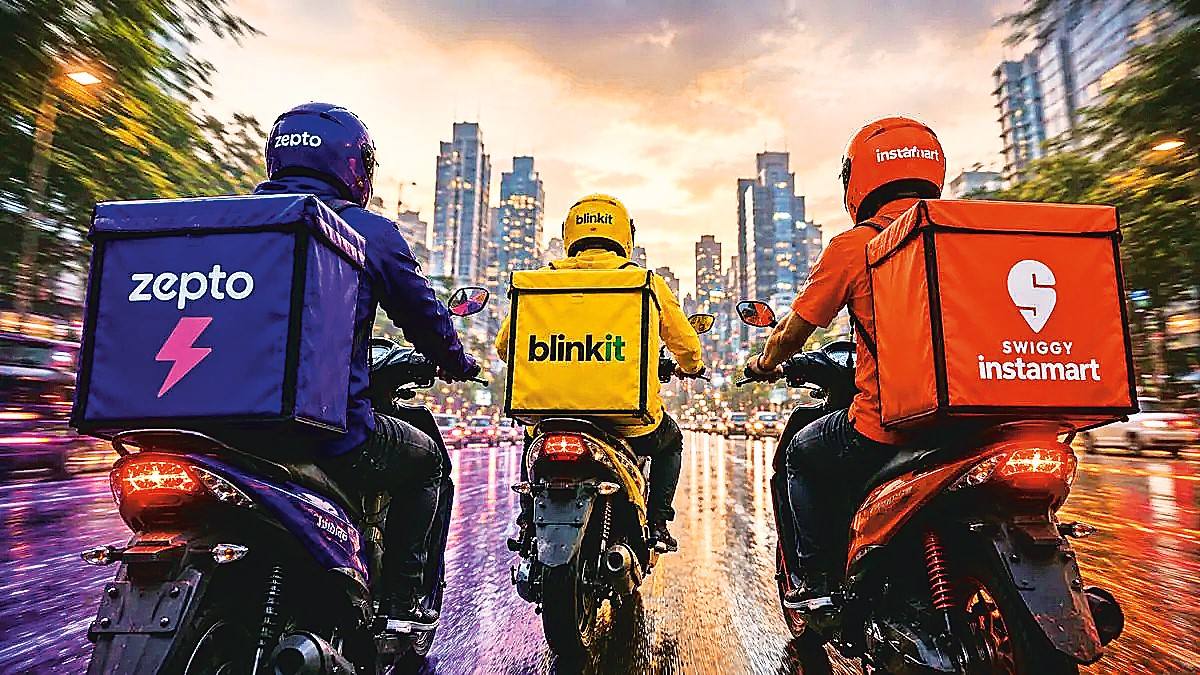
59 mins ago
Scheduled Grocery Delivery Holds Ground Amid Quick Commerce Boom
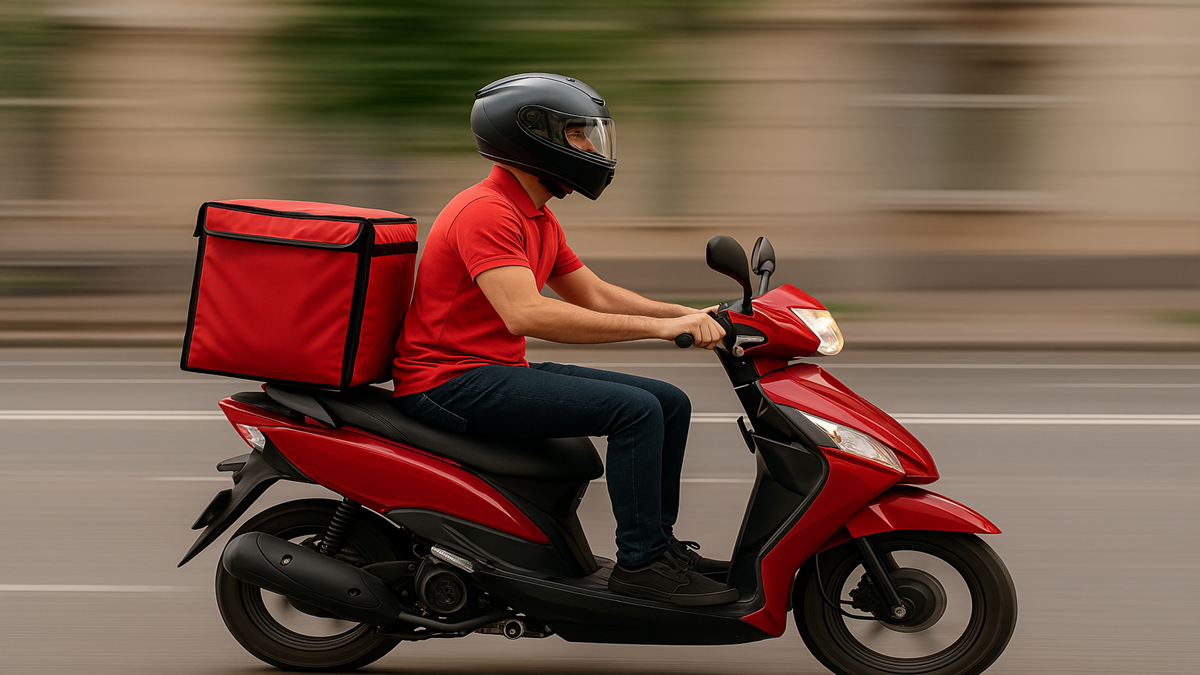
Grocery shoppers do not always need their food immediately.
Many people use quick delivery when they urgently need something, such as milk, bread or snacks.
They often use scheduled delivery when they are buying a larger amount of groceries.
A scheduled delivery lets companies plan routes and combine orders more efficiently.
This can make large grocery orders more economical.
Services such as BigBasket and Zepto still offer or test delivery time slots.
Milk, eggs, bread and fresh staples also continue to be delivered on regular schedules.
However, some companies are moving toward faster delivery because customers increasingly expect it.
Both quick and scheduled delivery can continue because they serve different shopping needs.

Quick commerce is mainly used for emergencies, last-minute purchases and daily top-ups, while only 12% use it for monthly stock-ups.
BigBasket, DMart, SPAR Hypermarket, Simpli Namdhari’s and AapkarBazar continue offering scheduled delivery windows.
Zepto piloted same-day slotted deliveries in locations including Delhi and Bengaluru to serve larger baskets and ease peak-hour pressure.
Scheduled delivery remains important for fresh staples and regular milk, egg and bread replenishment through platforms such as Country Delight and Milkbasket.
Industry executives say planned deliveries can improve basket size, route efficiency and delivery economics, although on-demand services are capturing more spending and order frequency.
- Who
- Grocery platforms, supermarket chains, fresh-staples businesses and consumers are involved.
- What
- Scheduled grocery delivery continues alongside quick commerce, serving planned, larger and recurring purchases.
- Where
- The services operate across India, with Zepto’s pilot including Delhi and Bengaluru and Anmasa operating across Gurugram and Noida.
- When
- The article discusses current delivery practices and notes that Zepto began a slotted-delivery pilot last December.
- Why
- Scheduled delivery supports larger baskets, predictable replenishment, route planning and delivery efficiency, while quick commerce serves immediate needs.
Scheduled Delivery
On-Demand Delivery
Shopping purpose
Scheduled Delivery
Scheduled delivery is suited to planned purchases, larger grocery baskets, fresh staples and recurring replenishment.
On-Demand Delivery
Quick commerce is suited to emergencies, last-minute purchases and daily top-ups.
Business economics
Scheduled Delivery
Planned slots allow companies to consolidate deliveries, improve route efficiency, increase delivery density and support larger baskets.
On-Demand Delivery
Faster fulfillment matches changing customer expectations and has captured a larger share of consumer spending and order frequency.
Platform strategy
Scheduled Delivery
Companies should retain slots where customers value predictability and planned shopping.
On-Demand Delivery
Companies that do not offer on-demand delivery risk losing consumer mindshare, even in categories they serve well.
Key facts
- Quick-commerce emergencies
- Nearly 45% of consumers use quick commerce for emergencies or last-minute purchases.
- Daily top-ups
- Another 24% primarily use quick commerce for daily top-ups such as milk and bread.
- Monthly stock-ups
- Only 12% use quick commerce primarily for monthly stock-ups.
- Zepto pilot
- Zepto tested same-day slotted delivery in select locations, including Delhi and Bengaluru, last December.
- DMart delivery
- DMart offers six-hour delivery windows for large-basket orders.
- Anmasa growth
- Anmasa has scaled up 23-fold across Gurugram and Noida over the past year.
- Recurring staples
- Scheduled delivery remains relevant for milk, eggs and bread through services including Country Delight and Milkbasket.
Quotes
Yatish Talvadia
Founder and chief experience officer of Anmasa
“The bulk of spending and order frequency has already shifted to on-demand, and players that don’t offer this risk losing mindshare, even in categories they continue to serve well.”
 financialexpress.com
“Quick commerce has fundamentally altered consumer expectations around convenience, but it has not eliminated the need for planned grocery shopping.”
financialexpress.com
Sources
Related news
Quick Commerce Platforms Turn Premium Grocery Into Growth Strategy
Quick Commerce Replays Modern Trade Revolution Faster in India
Flipkart Gains Early Quick-Commerce Edge Over Amazon as Networks Scale
Flipkart Minutes Enters Gourmet Grocery Market With Private Label Pykd
Quick commerce private-label push gathers pace as platforms chase margins