3 days ago
Baby Orangutans Expose India’s Hidden Wildlife Trafficking Trade
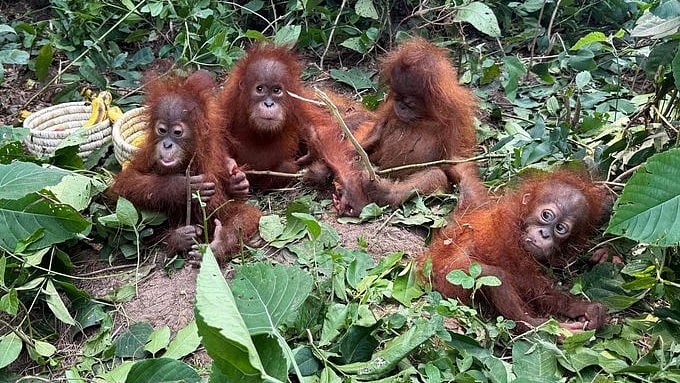
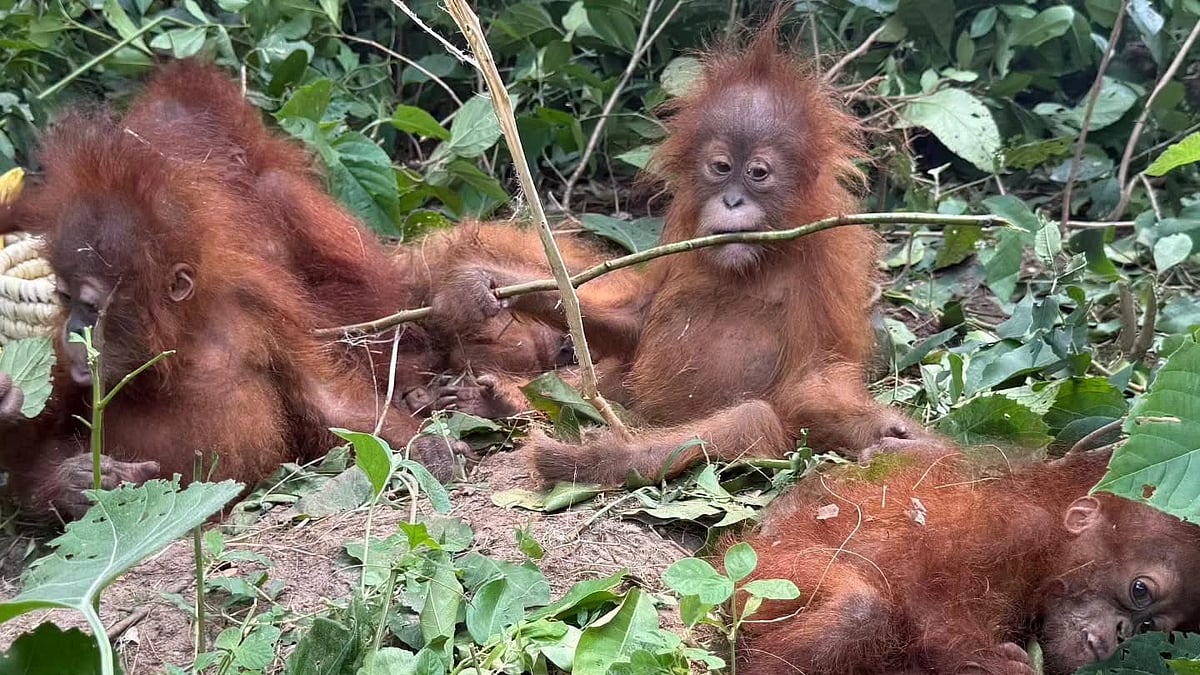
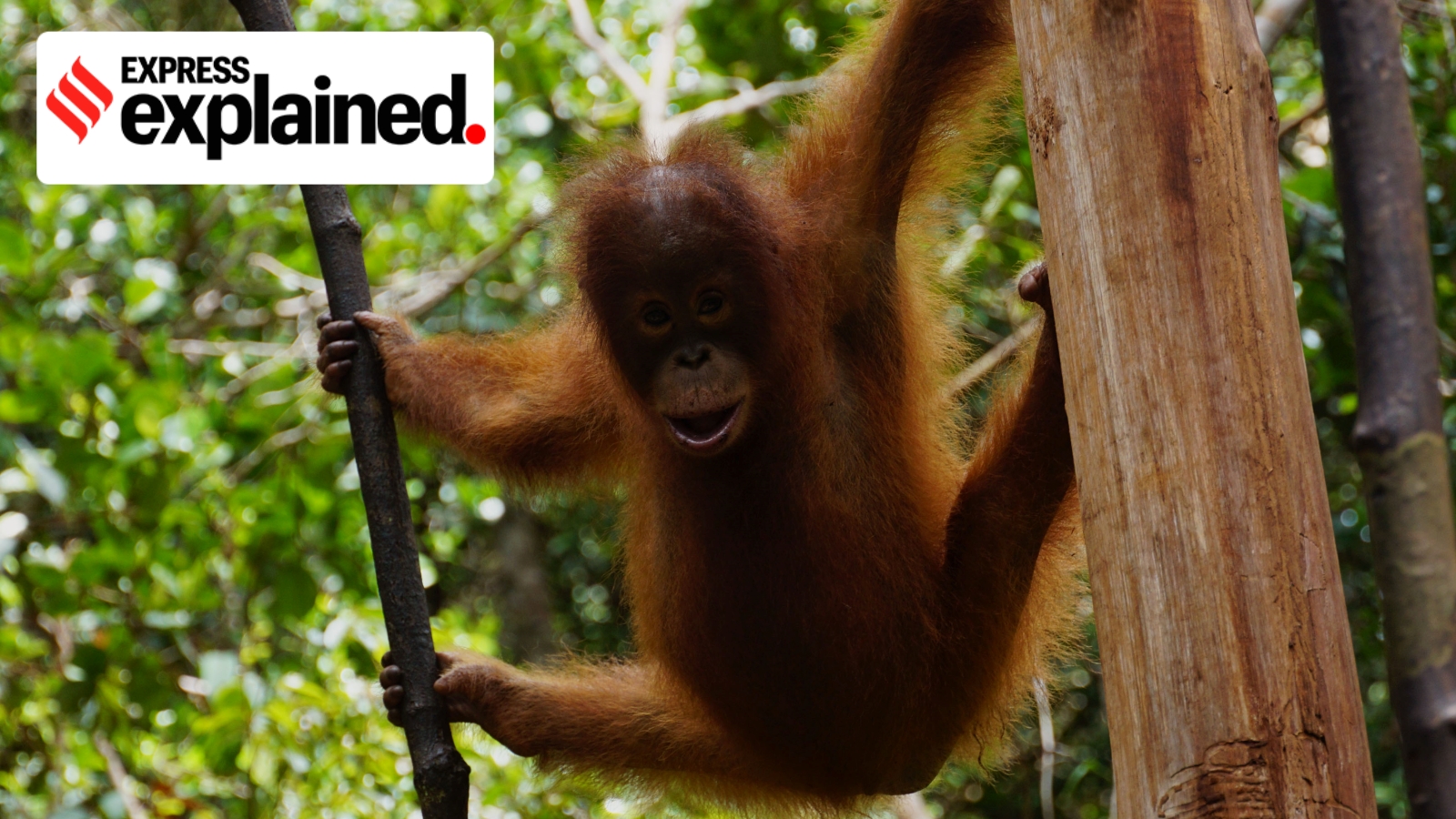
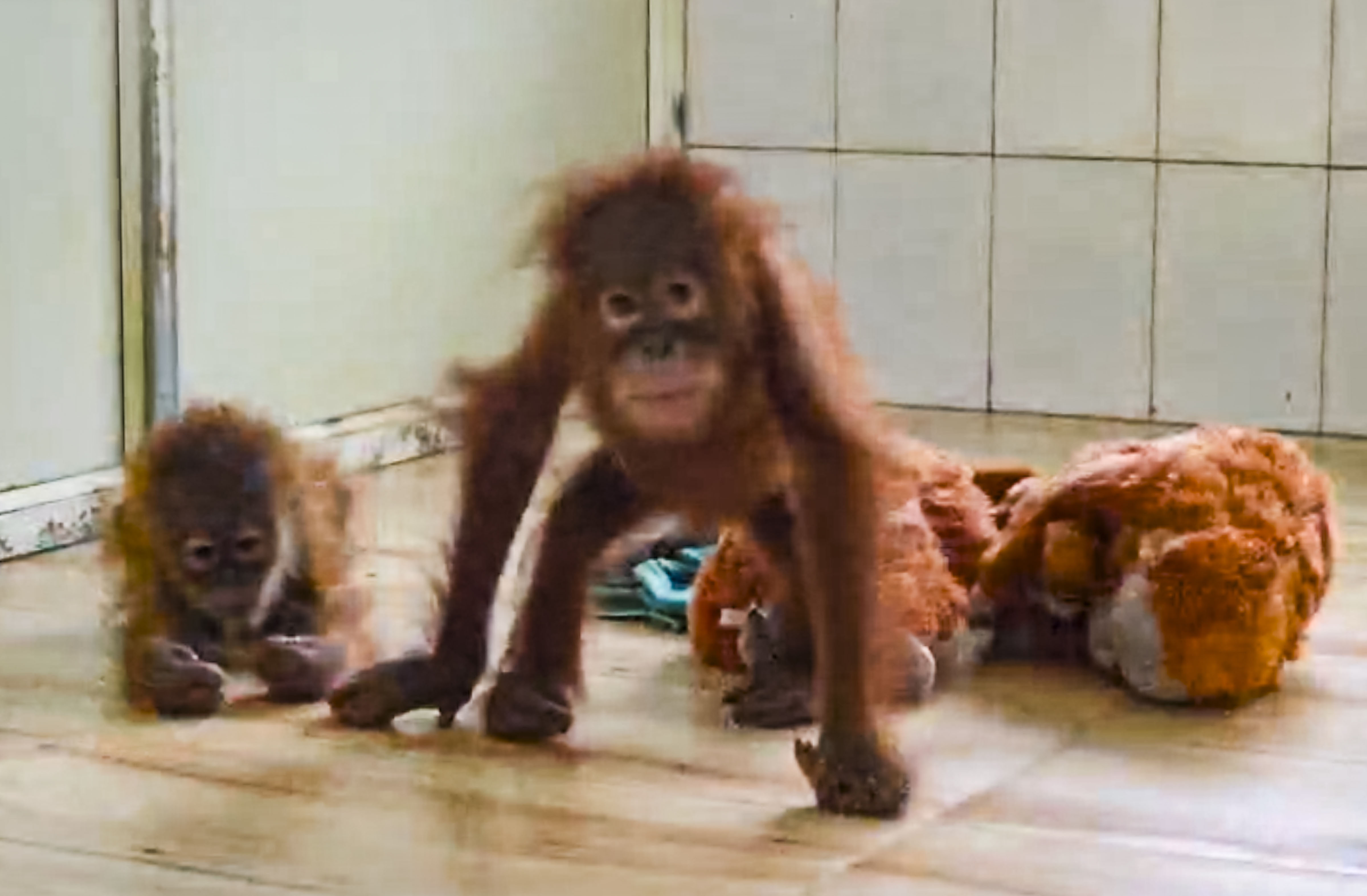
Five baby orangutans were found alone in a forest in eastern India.
Orangutans naturally live only on the Indonesian islands of Sumatra and Borneo.
This means the babies were moved a very long way from home.
Police are trying to find out who brought them there and abandoned them.
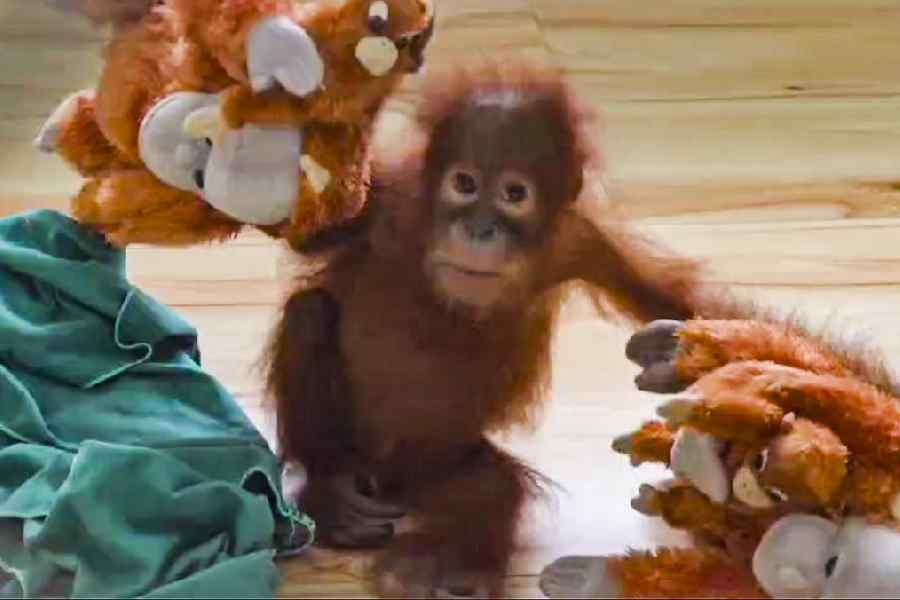
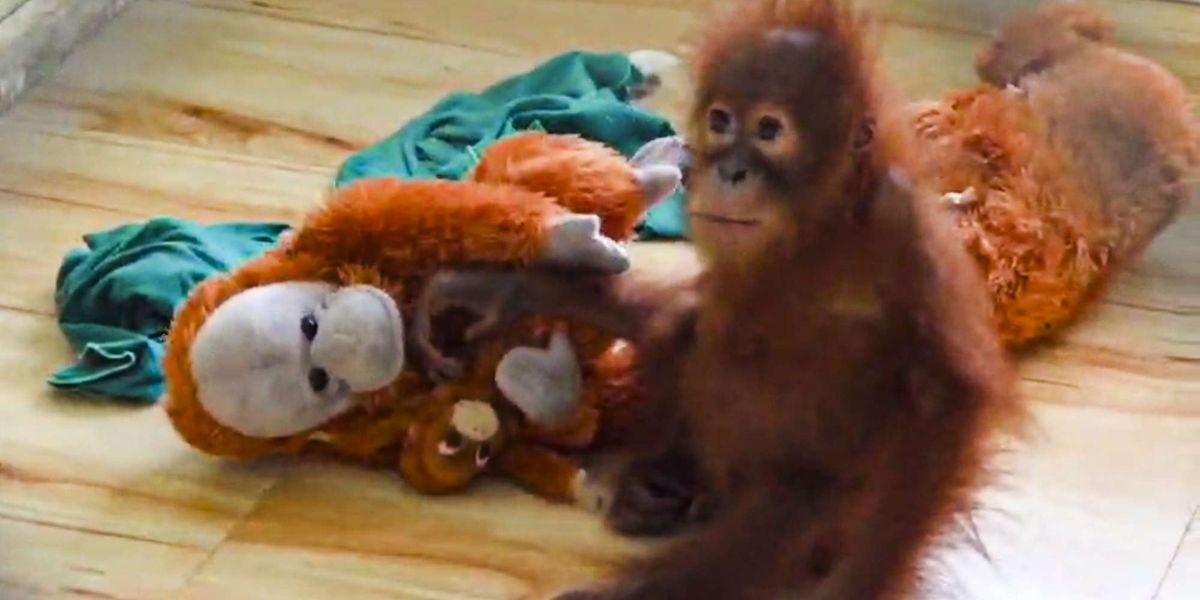
The animals are now being cared for at a zoo.
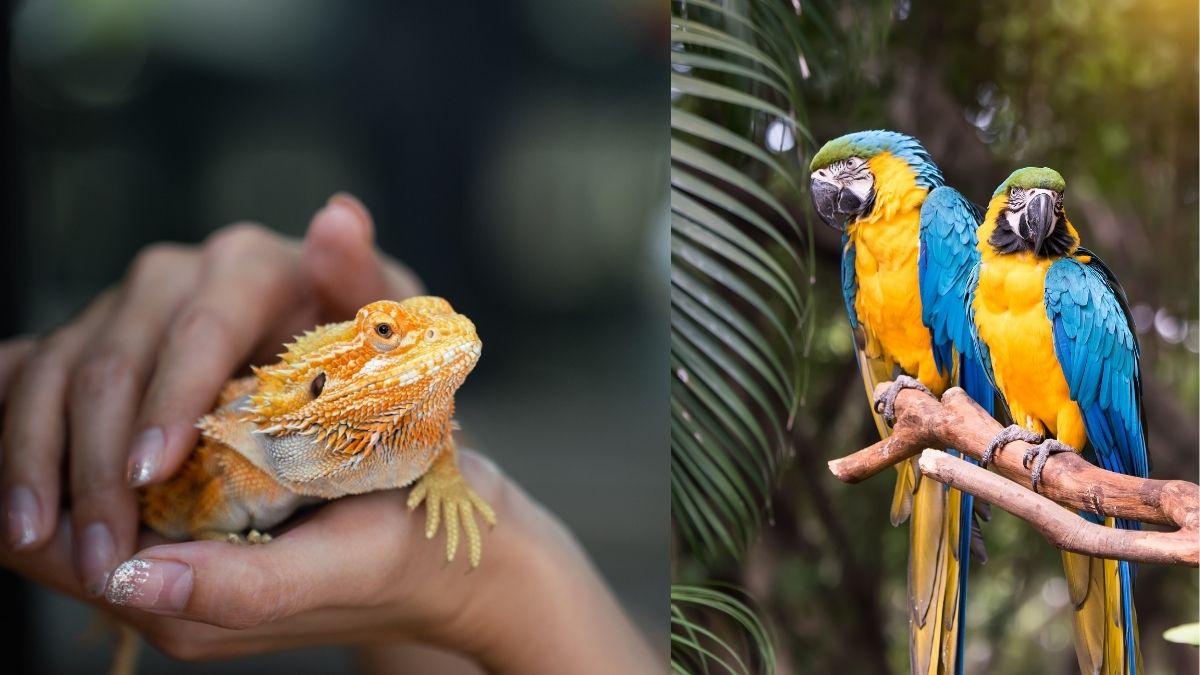
Experts say people in India are buying more unusual wild animals as pets.
They say social-media influencers and wealthy buyers may be helping create this demand.
Traffickers may be using India’s long, difficult-to-monitor border with Myanmar to move animals from Southeast Asia.

Five orangutans, each about 18 months old, were found abandoned in Balasore, Odisha, thousands of kilometres from their native habitats in Sumatra and Borneo.
The critically endangered animals are being cared for at a zoo, while Indonesia has requested their return and Indian police investigate the smuggling route.
Experts estimate India’s exotic-pet market was worth $42.6 million in 2024 and say its true scale is likely much larger.
A Wildlife Crime Control Bureau official blamed social-media promotion by influencers for increasing demand among wealthy buyers seeking exotic pets.
Experts identify India’s porous northeastern border with Myanmar, airports and cargo routes as important channels for trafficking animals from Southeast Asia.
- Who
- Five baby orangutans, Indian wildlife authorities and police, Indonesian officials, and wildlife-trade experts are involved.
- What
- Five orangutans were found abandoned in India, prompting an investigation into an illegal exotic-animal trade.
- Where
- The orangutans were found in Balasore, Odisha, India; their native habitats are Sumatra and Borneo.
- When
- The orangutans were found at an unspecified time; related figures include 2022 seizures, a 2024 market estimate, and October 2025 arrests.
- Why
- Experts say demand for exotic pets, social-media promotion, wealthy buyers, and smuggling routes may be driving the trade.
Wildlife-trade experts
Authorities and private owners
Scale of the trade
Wildlife-trade experts
Experts say seizure figures represent only a fraction of the illegal trade and that its true scale is potentially much larger.
Authorities and private owners
The article reports official registration and seizure figures, but federal authorities did not respond to requests for comment, and the full volume remains unknown.
Drivers of demand
Wildlife-trade experts
Experts and a Wildlife Crime Control Bureau official say wealthy buyers, private zoos and social-media influencers are increasing demand for exotic animals.
Authorities and private owners
No responding government authority or private owner is quoted defending these practices or disputing the experts’ claims.
Key facts
- Animals found
- Five orangutans, approximately 18 months old
- Discovery location
- Balasore, Odisha, India
- Native range
- Sumatra and Borneo
- Estimated market value
- India’s exotic-pet market was estimated at $42.6 million in 2024
- Wildlife seizures
- WWF-India documented 56 seizures involving about 4,000 exotic animals in 2022
- Registration figures
- More than 40,000 people had registered exotic animals under a voluntary disclosure scheme by February 2021
- Possible smuggling routes
- India’s northeastern border with Myanmar, airports and formal cargo routes
Quotes
A senior official at India's Wildlife Crime Control Bureau
An anonymous Indian wildlife crime enforcement official who discussed exotic-animal demand.
“It is a huge market. Rich people keep them in their homes.”
 easterneye.biz
“The true scale of it is actually quite frightening.”
easterneye.biz
Jimmy Borah
Wildlife expert at Aaranyak.
“We are talking about miles and miles of a very porous border.”
easterneye.biz
Sources
Related news
Odisha Orangutan Rescue Exposes India’s Exotic Primate Smuggling Network

Five Infant Orangutans in Odisha Trigger Trafficking Investigation
Five Baby Orangutans Rescued in Odisha as Smuggling Probe Begins
Odisha Orangutans Highlight Wildlife Trade and Repatriation Challenges
Odisha Probe Tracks Black SUV in Orangutan Mystery
India’s Exotic Pet Boom Raises Wildlife Welfare and Safety Concerns

Rescued Orangutan Cubs Stable as Odisha Smuggling Probe Continues

Rescued Baby Orangutans’ Blood Collected for Health, DNA Tests

Baby Orangutan Develops Fever at Odisha Zoo, Receives Treatment

Readers Honor Solomon Pappayya and Debate Public Concerns