

5 days ago
Odisha Orangutans Highlight Wildlife Trade and Repatriation Challenges
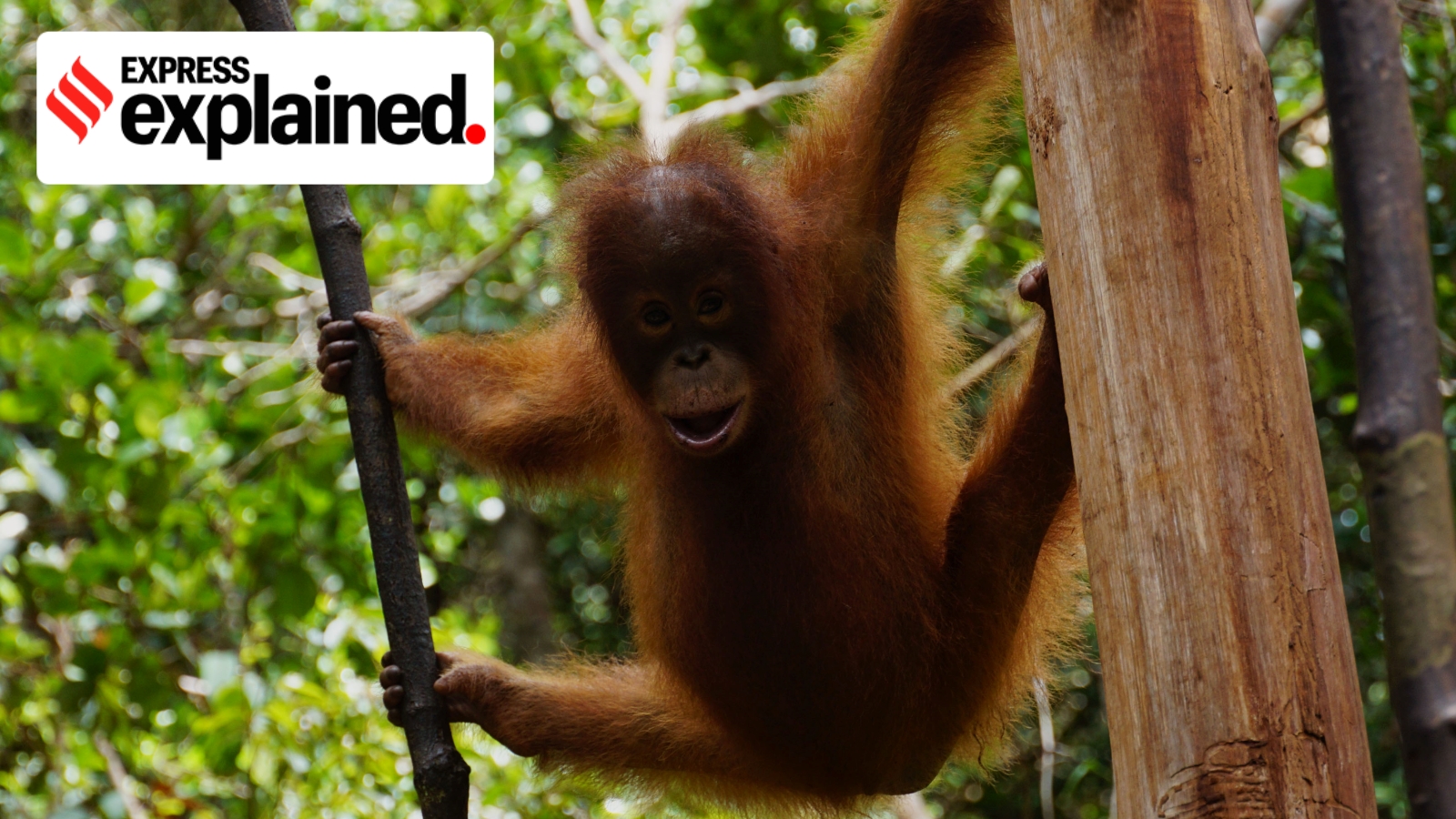
Five baby orangutans were found and rescued in a forest in Odisha, India.
Orangutans naturally live in Indonesia and Malaysia, so people are asking how they got there.
International rules make trading orangutans for business very difficult because they are endangered.
India also has laws controlling this trade.
Officials must decide whether the animals can safely go back to their country of origin.
If that is not possible, they can be cared for in a recognized zoo or rescue center.
Sending them back can be complicated because traffickers may move animals through many places.
Experts also worry that people wanting unusual pets are helping illegal wildlife trade grow.

Odisha officials rescued five baby orangutans from a forest in Balasore district.
All three orangutan species are listed under CITES Appendix I, sharply restricting commercial trade.
India’s 2022 amendment to the Wild Life Protection Act added CITES-listed species to a dedicated schedule.
Repatriation requires consultation with the country of export or origin, but returning animals to the wild is not mandatory.
Experts say rising demand for exotic pets is increasing trafficking risks, including zoonotic disease and criminal links.
- Who
- The Odisha Forest department rescued five baby orangutans; wildlife experts and conservation organizations are assessing the wider trade issue.
- What
- Five orangutans were found in Odisha, raising questions about possible illegal trafficking and their eventual repatriation.
- Where
- The animals were found in a forest in Balasore district, Odisha, India.
- When
- The rescue occurred last week; India’s relevant wildlife law was amended in 2022, and the Directorate General of Civil Aviation issued deportation guidelines in July 2025.
- Why
- The case drew attention because orangutans are native to Indonesia and Malaysia and are protected from commercial trade under international and Indian rules.
Key facts
- Animals rescued
- Five baby orangutans
- Rescue location
- A forest in Balasore district, Odisha
- International protection
- All three orangutan species are listed under CITES Appendix I
- Indian legal framework
- The Wild Life Protection Act, 1972, was amended in 2022 to align with CITES
- Repatriation rule
- Return to the country of origin may be pursued after consultation; otherwise, animals can go to a recognized zoo or rescue center
- Declared exotic-animal applications
- 43,693 applications were submitted under India’s 2021 voluntary disclosure scheme
- Reported trafficking routes
- Overland routes through Bangladesh and Myanmar and air routes through major international airports
Quotes
Uttara Mendiratta
Wildlife-trade expert and consultant with Wildlife Trust of India
“We have to keep science, conservation, welfare, and legalities in mind. The repatriation has to factor in what is the exact state of origin, whether that country is willing to take back the animals.”
 indianexpress.com
“If you look at the data from social media and seizures it is clear that Indians are acquiring many of the species that are listed in CITES.”
indianexpress.com
Sources
Related news

Five Infant Orangutans in Odisha Trigger Trafficking Investigation

Baby Orangutans Expose India’s Hidden Wildlife Trafficking Trade
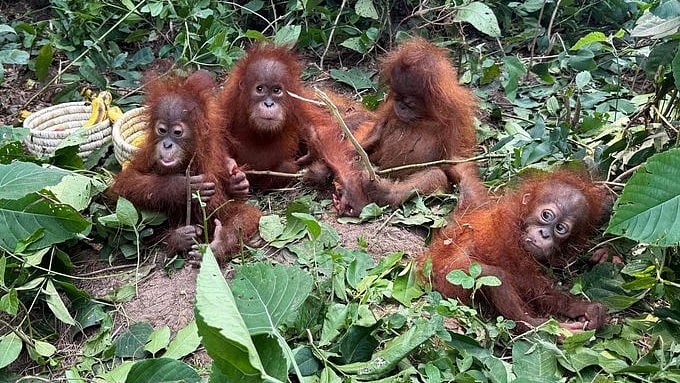
Odisha Orangutan Rescue Exposes India’s Exotic Primate Smuggling Network

India Probes Five Baby Orangutans as Indonesia Plans Repatriation
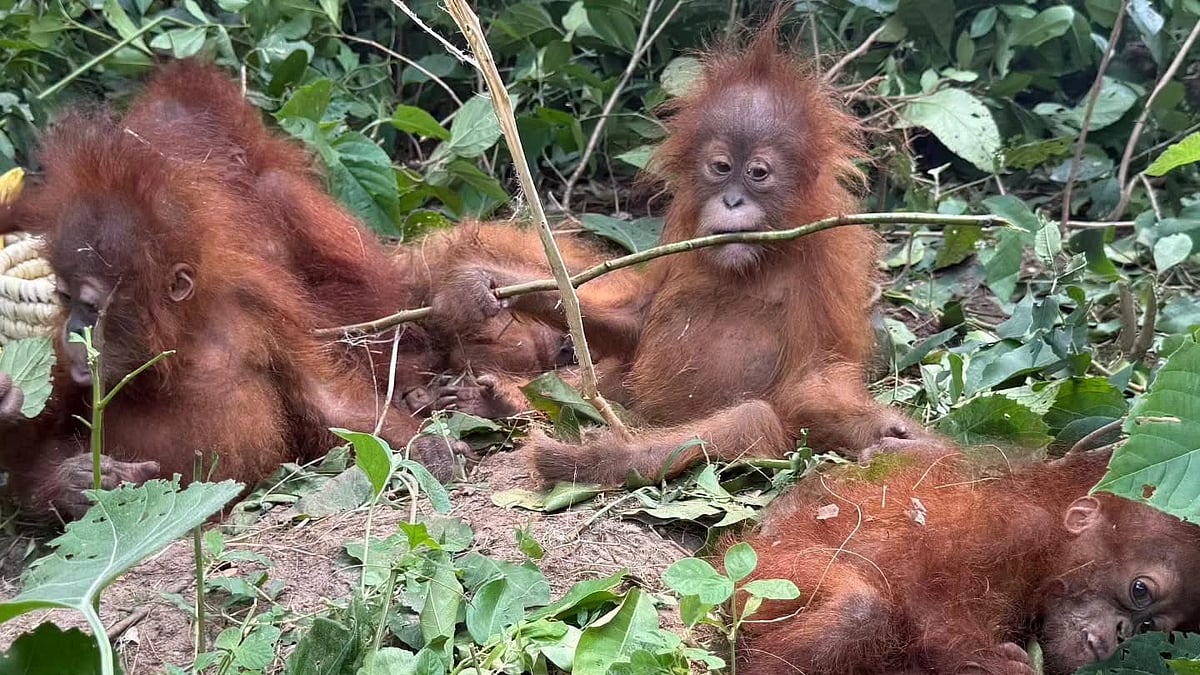
Five Baby Orangutans Rescued in Odisha as Smuggling Probe Begins

Odisha Orders Probe Into Rescue Of Five Baby Orangutans

India Thrash Pakistan 3-0 in Asian Games Table Tennis

Powerful El Niño May Become Strongest on Record

Savita Punia Sets Indian Women’s Hockey Caps Record

India Thrash Indonesia 17-1 in Asian Games Hockey

India Targets Another Asian Games Hockey Victory Against Sri Lanka