4 days ago
India’s Exotic Pet Boom Raises Wildlife Welfare and Safety Concerns
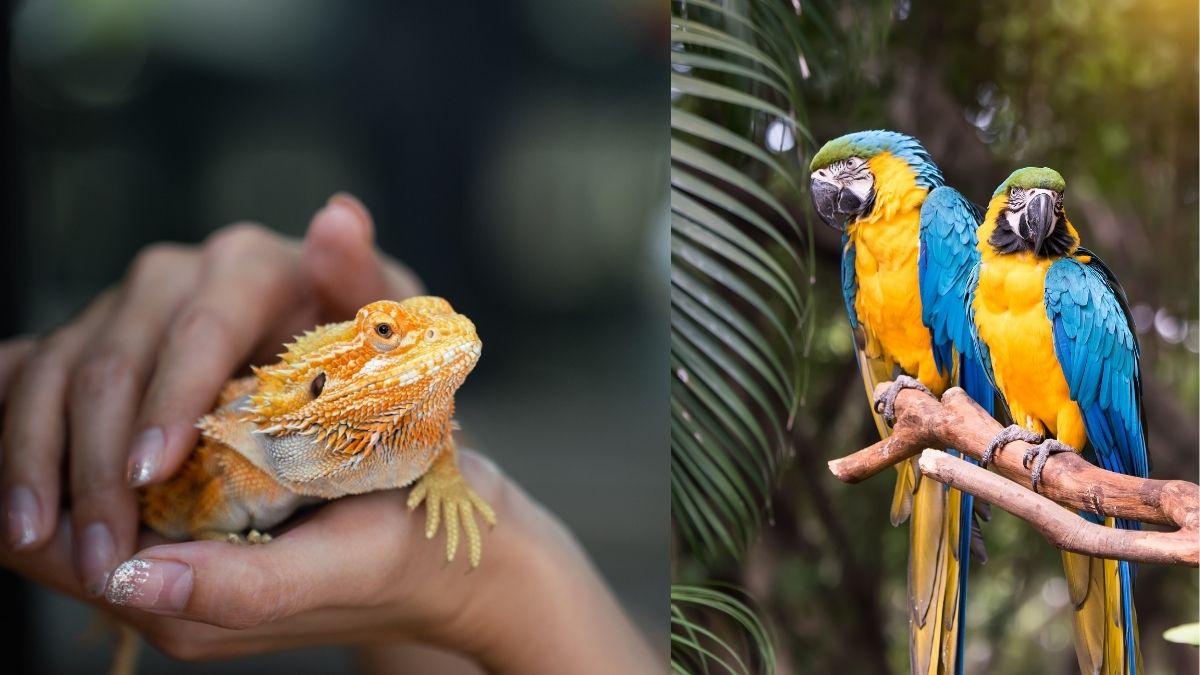
India’s market for unusual pets, such as reptiles and parrots, is growing quickly.
Some people want these animals because they look special or show social status.
The government says more than 40,000 people reported owning exotic animals by February 2021.
Experts believe many owners were not included in that count.
New rules require many protected exotic animals to be registered and reported.
But it can still be difficult to check where the animals came from or how they are treated.
Smuggled animals may suffer during long journeys and poor transport.
They can also spread diseases or create danger if they are venomous.
Animal groups want stronger rules, especially for online sales.

Humane World for Animals says India’s exotic pet trade has grown beyond a niche hobby.
More than 40,000 people declared exotic-animal possession under a 2020 government disclosure scheme.
The market was valued at $42.6 million in 2024 and is projected to reach $75.8 million by 2030.
WWF-India recorded 56 seizures involving about 4,000 exotic animals in 2022.
Experts warn of animal suffering, disease transmission, online smuggling and risks from venomous species.
- Who
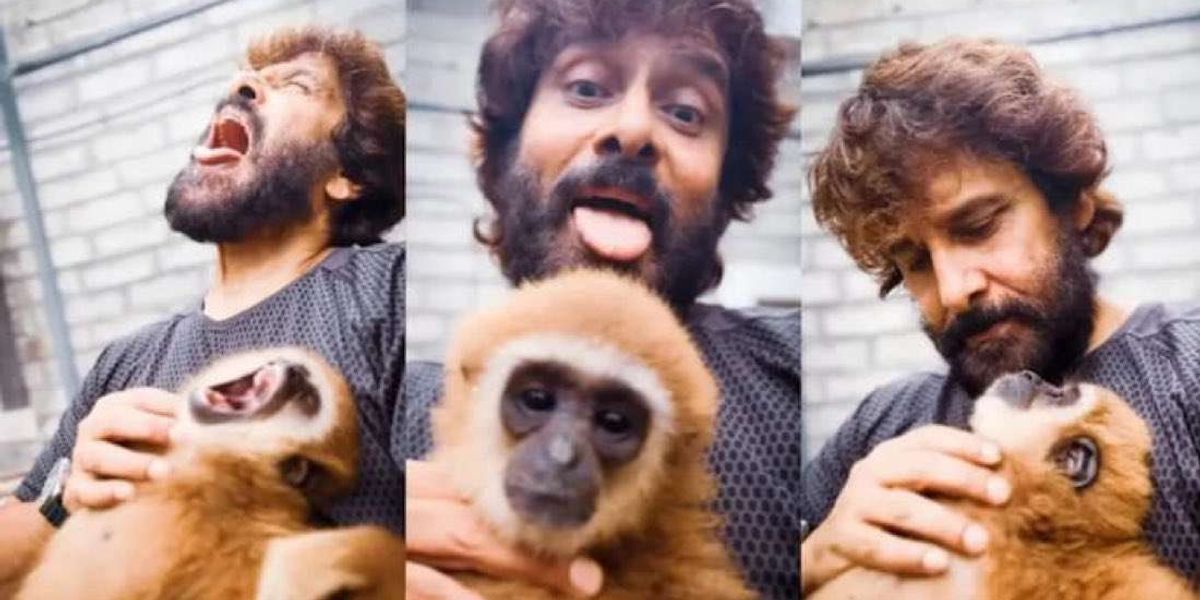
- Exotic-animal owners, traders, government regulators, conservation groups and animal-welfare experts are involved; an earlier social-media post featured actor Vikram with a lar gibbon.
- What
- India’s expanding exotic pet trade is drawing scrutiny over regulation, smuggling, animal welfare, disease and public safety.
- Where
- The issue concerns India, including online marketplaces, airports and the Bangkok-to-India route; a cited interception occurred in Chennai.
- When
- The trade was valued in 2024; the report cites seizures in 2022 and between January 2022 and May 2025, while registration rules were established in 2024.
- Why
- Rising urban affluence, status appeal, social media and online marketplaces are increasing demand, while enforcement and post-import disease surveillance remain limited.
Pet Market and Ownership Perspective
Conservation and Regulation Perspective
Legal status of exotic animals
Pet Market and Ownership Perspective
The article notes that being exotic does not automatically make an animal illegal, although legal obligations apply to many protected species.
Conservation and Regulation Perspective
Animal-welfare and conservation groups argue that ownership must be judged by paperwork, provenance, welfare and ecological risks, not simply by whether an animal is technically legal.
Online trade and regulation
Pet Market and Ownership Perspective
Online marketplaces and social media make it easier for interested buyers and sellers to connect discreetly.
Conservation and Regulation Perspective
Experts say these digital channels make wildlife transactions harder to monitor and call for stronger oversight and a national framework for exotic-pet ownership.
Risks of ownership and transport
Pet Market and Ownership Perspective
The expanding market includes reptiles, birds, mammals and invertebrates, reflecting continued consumer demand for unusual animals.
Conservation and Regulation Perspective
Researchers and activists warn that transport and inadequate care can cause prolonged stress, disease transmission and deaths, while venomous reptiles may pose emergencies if suitable antivenom is unavailable.
Key facts
- 2024 market value
- The exotic pet trade was valued at about $42.6 million.
- 2030 projection
- The market is projected to reach $75.8 million by 2030, growing 10.2% annually.
- Declared owners
- More than 40,000 people across 30 states and Union territories reported possessing exotic animals by February 2021.
- 2022 seizures
- WWF-India documented 56 seizures involving roughly 4,000 exotic animals in 2022.
- Thailand-India seizures
- TRAFFIC identified 60 incidents involving live animals smuggled through passenger baggage between Thailand and India from January 2022 to May 2025.
- Animals in those incidents
- The incidents represented at least 87 species and 7,272 individual animals.
- Registration system
- The Living Animal Species (Reporting and Registration) Rules, 2024 established registration through the PARIVESH portal.
Sources
Related news

Actor Vikram's Lar Gibbon Video Sparks Wildlife Smuggling Warning
Vikram's Lar Gibbon Video Sparks Wildlife Scrutiny, Forest Probe
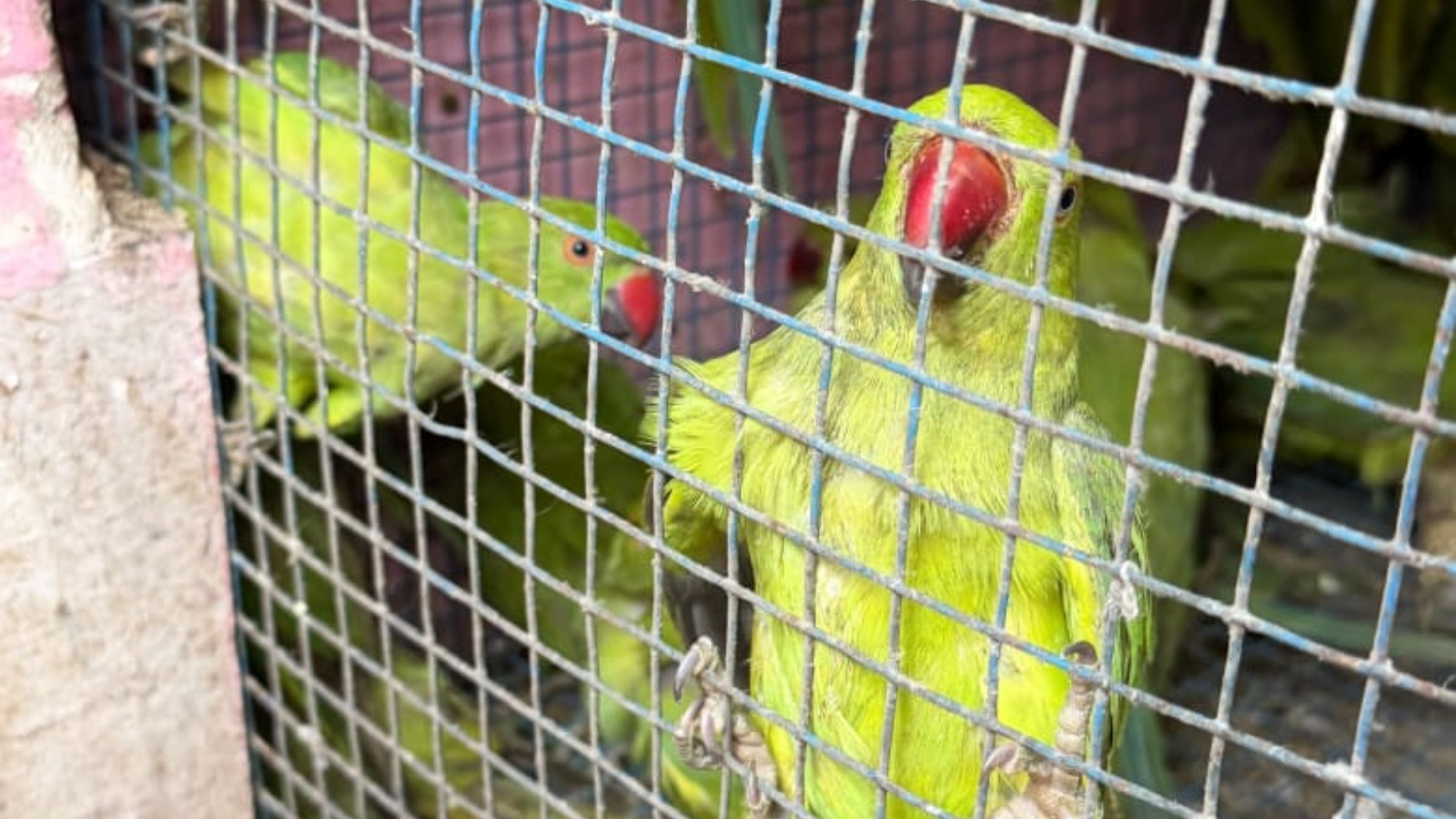
Delhi: 863 Animals and Birds Rescued in Wildlife Trade Raid

Vikram's viral Lar Gibbon video triggers wildlife possession probe
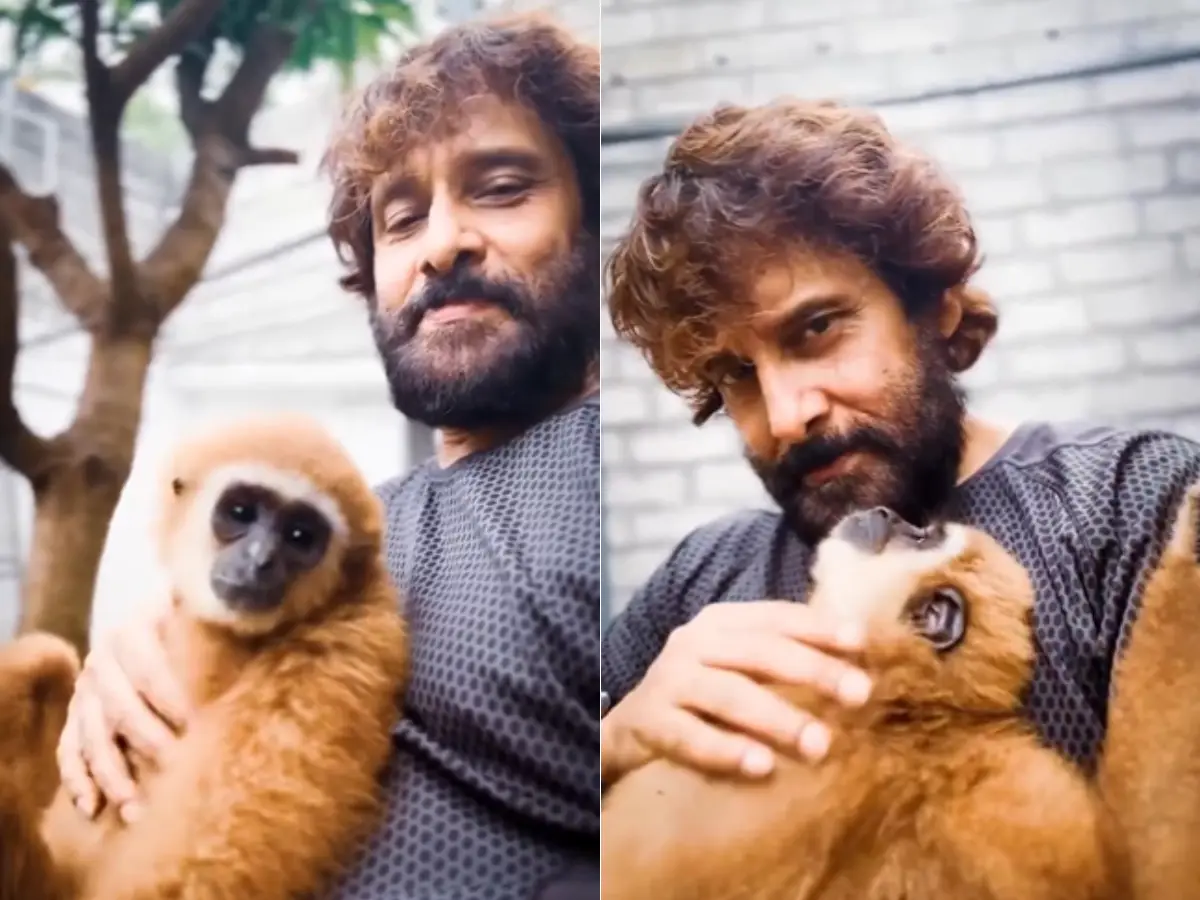
Chiyaan Vikram Lar Gibbon Video Sparks Controversy; Forest Officials Probe
India Pet Care Market Eyes Rs 11,000 Crore by 2031