

1 hr ago
Odisha Orangutan Probe Tracks Black SUV and Possible Sea Routes

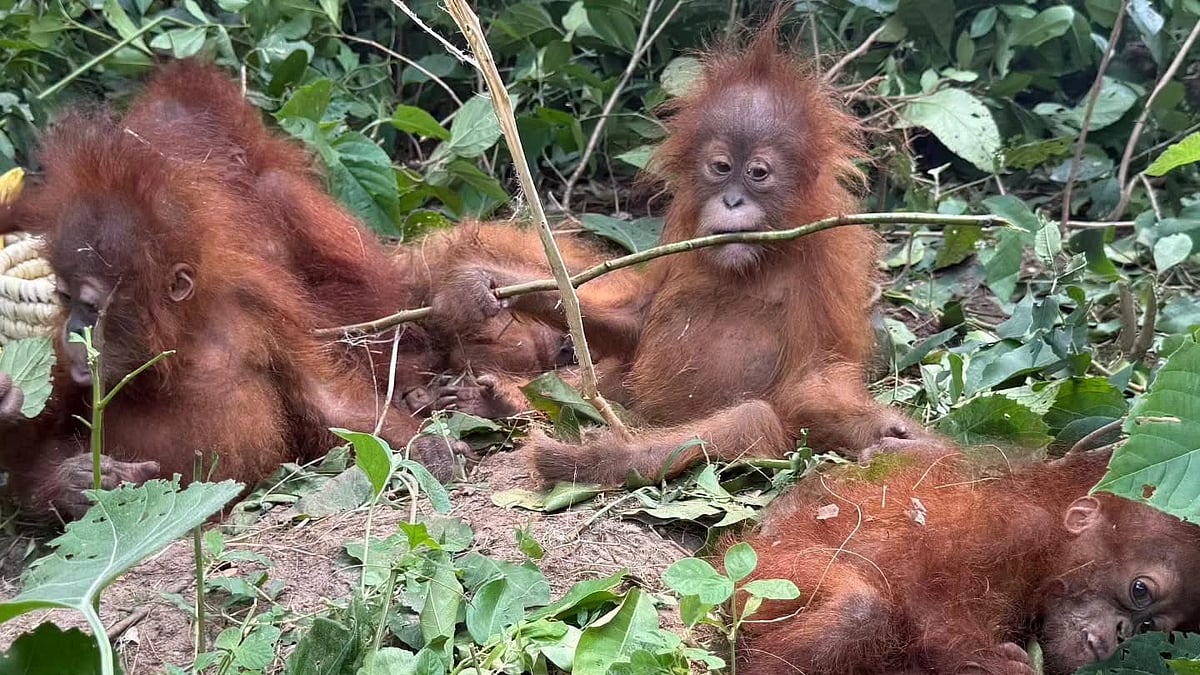
Five young orangutans were found in a forest in Odisha, India.
Orangutans do not naturally live in India.
Investigators think someone may have brought them into the country illegally.
A black SUV seen near the forest could help explain how the animals arrived.
Police checked many security cameras in Odisha and nearby West Bengal.
They are also checking roads, waterways, railway stations and airports.
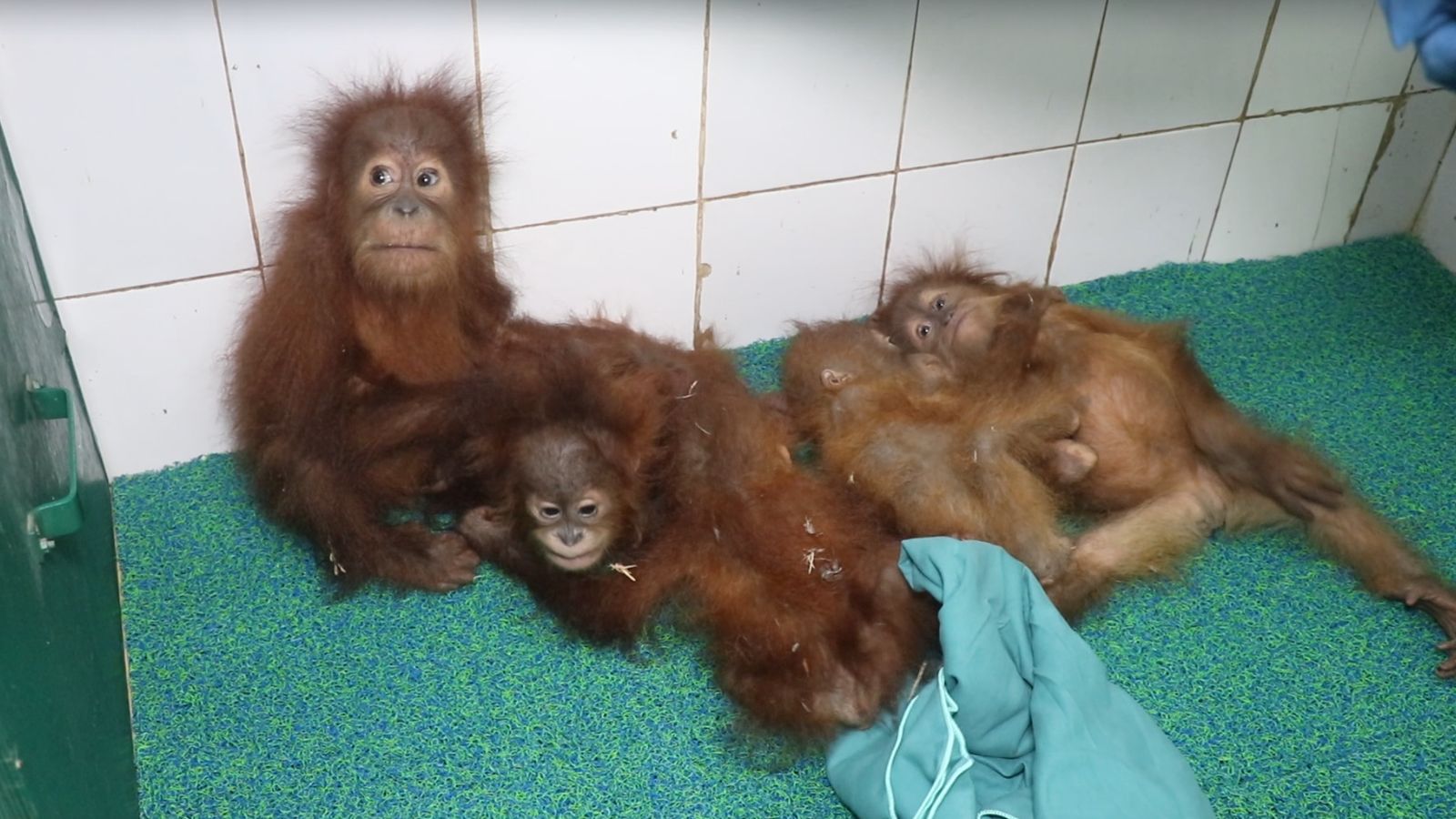
The animals are now being cared for at a zoo in Bhubaneswar.
Officials are trying to find everyone involved and protect the orangutans.

Odisha authorities rescued five baby orangutans from Bichitrapur forest in Balasore district on Tuesday, September 8.
Investigators examined CCTV footage from 55 cameras in Bhograi and nearby Digha, while another report cited at least 46 cameras on routes toward Digha.
A black SUV, identified in one report as a Mahindra Thar, was seen near the forest around 11:25 p.m. Monday but its registration number was not captured.
Officials suspect the animals may have been moved through rural roads from West Bengal, while waterways, railway stations and airports are also being examined.
The animals are being cared for at Nandankanan Zoo, as Odisha authorities investigate possible links to an international wildlife-trafficking network.
- Who
- Odisha Police’s Special Task Force, the Wildlife Crime Control Bureau, forest officials and other agencies are investigating; five baby orangutans were rescued.
- What
- Authorities are investigating how the orangutans reached a forest in Balasore and whether an international wildlife-trafficking network was involved.
- Where
- The animals were found in the Bichitrapur Badapahi forest area of Balasore district, Odisha; investigators are also examining locations in West Bengal and possible waterways.
- When
- The orangutans were found on Tuesday, September 8; the intensified investigation was reported on Thursday, September 10.
- Why
- Orangutans are not native to India, and officials suspect they may have been illegally transported into the country.
Overland Transit Theory
Waterway Transit Theory
How the animals may have entered Odisha
Overland Transit Theory
Forest officials said circumstantial evidence points to movement from West Bengal through the Digha-Chandaneswar and Bhograi route, using rural roads to avoid national highways.
Waterway Transit Theory
Investigators are also examining whether the orangutans were transported through waterways, including by ships or fishing trawlers; the Coast Guard was reported to be probing this possibility.
Potential international connection
Overland Transit Theory
Officials said the animals may have been trafficked from Myanmar through India’s Northeast or brought through West Bengal, with local agents assisting an international network.
Waterway Transit Theory
Officials also raised the possibility that the orangutans came from Indonesia, which they said would indicate the involvement of international operators and local agents.
Key facts
- Animals rescued
- Five baby orangutans
- Rescue location
- Bichitrapur Badapahi forest area, Balasore district, Odisha
- Key vehicle
- A black SUV, described in one report as a Mahindra Thar
- CCTV review
- One report said 55 cameras were checked; another cited at least 46 cameras on routes toward Digha
- Current care
- Nandankanan Zoo in Bhubaneswar
- Possible route
- Rural roads from West Bengal, with waterways also under examination
- Investigating agencies
- Odisha Police Special Task Force, Wildlife Crime Control Bureau and forest authorities
Quotes

Ganesh Ram Singh Khuntia
Odisha’s Forest and Environment Minister
“The CCTV footage also confirmed that such an SUV had passed the area around 11.25 pm on Monday. But the footage could only capture the upper portion of the vehicle and not its registration number. Therefore, it is important to locate the mysterious SUV”
 theprint.in
“If the orangutans were brought from Indonesia, there will definitely be international operatives. The international traffickers must also have agents in local areas, either in West Bengal or Odisha. We have to find them”
theprint.in
A senior police officer
A senior police official involved in examining vehicle movements
“We have verified the vehicles’ movement on Monday night in both places, but so far there has been no breakthrough.”
theprint.in
Sources
Related news
Five Baby Orangutans Rescued in Odisha as Smuggling Probe Begins

Five Baby Orangutans Found in Odisha Spark Smuggling Probe
Odisha Zoo Cares for Five Rescued Baby Orangutans

Odisha Zoo Uses Classical Music to Calm Rescued Orangutans

September 9 Headlines Span Wildlife, Environment, Sports and Education

Rescued Baby Orangutans Receive Care Amid Smuggling Probe
Odisha man arrested in Bengal over alleged government job fraud

West Bengal Sets Ashtami Liquor Ban, Curbs Immersion DJs

West Bengal Durga Ad Showing 11 Hands Sparks Political Row

MP Urges Satellite Phones, GPS for Every Fishing Boat
