

3 days ago
Iran War Threatens Republican Midterm Prospects as Voter Frustration Grows
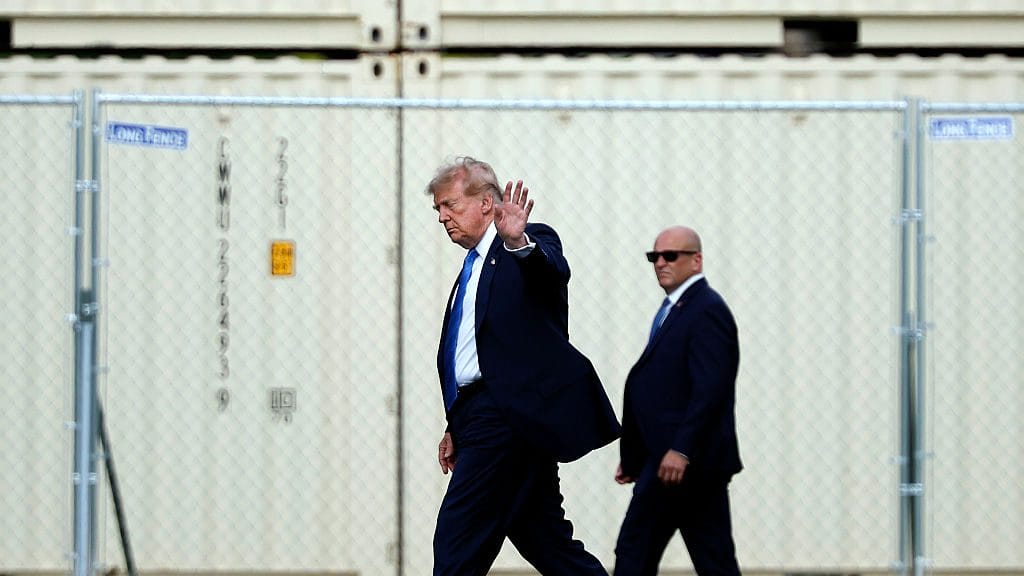
The United States has been fighting a war with Iran for about six months.
President Donald Trump originally said the conflict would last only four or five weeks.
The war has continued instead, and many Americans say they are unhappy with it.
The fighting has also been linked in the articles to higher gas prices and inflation.
Some Republican leaders worry this could make people less likely to vote for Republicans in the November midterm elections.
Democrats are using the war and its costs in advertisements against Republican candidates.
The White House says Trump is taking strong action to protect Americans and that the campaign against Iran is working.
The election results could affect which party controls Congress and how much of Trump’s agenda can advance.

Republican strategists fear the six-month Iran war could cost the party control of Congress in November.
Critics say the conflict has undermined Trump’s promises to lower prices and avoid overseas wars.
An Ipsos-Reuters survey found 63% disapproved of Trump’s handling of the war, while 25% approved.
Rising fuel prices, inflation and military costs are making the war especially vulnerable for Republicans in the Midwest.
White House officials insist the pressure campaign against Iran is succeeding and that voters will ultimately credit Trump.
- Who
- President Donald Trump, Republican strategists, Democratic candidates, White House officials and U.S. voters are central to the dispute.
- What
- The continuing Iran war is generating voter dissatisfaction and threatening Republican prospects in the November midterm elections.
- Where
- The political effects are being felt across the United States, with particular concern about Ohio, the Midwest, Texas and Iowa.
- When
- The conflict is described as six months old, with the midterm elections approaching in November; several cited polls were conducted in August.
- Why
- The war has continued longer than Trump predicted and is associated in the articles with higher gas prices, inflation, military costs and public frustration.
War Critics and Democratic Campaigns
Trump Administration and Supporters
War’s political effect
War Critics and Democratic Campaigns
Critics and Republican strategists say the prolonged conflict is damaging Trump’s approval, discouraging Republican turnout and threatening Republican control of Congress.
Trump Administration and Supporters
White House officials say national security decisions should not be based on polls and argue voters will recognize Trump’s decisive action as a success.
Economic consequences
War Critics and Democratic Campaigns
Democrats and other critics say the war has increased gas prices and worsened inflation, making affordability problems more severe for households, farmers and businesses.
Trump Administration and Supporters
The administration maintains that its pressure campaign is working; it has not accepted the critics’ claim that the war’s economic effects should determine U.S. policy.
U.S. involvement in Iran
War Critics and Democratic Campaigns
Opponents, including Tucker Carlson, Thomas Massie and Marjorie Taylor Greene, argue that starting or continuing a Middle East war contradicts Trump’s promise to avoid new overseas conflicts.
Trump Administration and Supporters
Trump and his White House defenders say sustained military pressure is necessary to eliminate threats and keep Americans safe.
Key facts
- Trump war approval
- An Ipsos-Reuters survey found 63% disapproved of Trump’s handling of the Iran war and 25% approved.
- Trump approval rating
- The article reports Trump’s approval rating at 33%, described as the lowest of his second term.
- War duration
- The conflict has continued for six months, despite Trump’s earlier prediction that it would last four to five weeks.
- Voter concern
- Four out of five respondents in the Ipsos-Reuters survey expected U.S. military involvement to continue for an extended period.
- Midterm risk
- The Cook Political Report shifted the Texas and Iowa Senate races to “Toss Up” on August 20.
- Undecided voters
- A Tavern Research survey found 69% of undecided voters preferred a candidate who would end U.S. involvement in Iran, compared with 31% favoring continued involvement.
- Economic impact
- The article says disruptions to energy markets have increased gas prices and contributed to inflation.
Quotes

Thomas Massie
Republican representative from Kentucky and critic of Trump’s Iran strategy
“It’s a pernicious issue for Republicans because it cuts directly against Trump’s strengths — he was the guy that was going to bring down prices and keep us out of endless wars in the Middle East. For many people who voted for him, there’s a sense of bewilderment and disappointment.”
 theprint.in
“Of all the stupid things this administration has done, starting a war in the Middle East will prove to be the biggest and most costly blunder.”
theprint.in
Davis Ingle
White House spokesperson
“What matters most to the American people is having a Commander-in-Chief who takes decisive action to eliminate threats and keep them safe, which is exactly what President Trump is doing. The President does not make these incredibly important national security decisions based on fluid opinion polls or political pundits, but on the best interests of the American people.”
theprint.in
Sources
Related news
Trump’s Iran War Risks Turning Foreign Policy Into Midterm Liability
Trump's approval rating hits all-time low ahead of US midterms

Trump Aides Seek Quiet Iran War Before Midterm Elections
Mike Johnson Predicts New Phase in Iran War Soon
Six Months Into Iran War, Political and Economic Costs Mount
Six Months Into Iran War, No Winners and Global Costs

HBO Max Acquires Documentary Examining Epstein’s Network and Downfall

Pentagon revises Iran war casualties, sparks controversy
US House Passes Iran War Powers Resolution

NDAA Section 219 Controversy: US-Israel Military Merging