3 weeks ago
When AI destroys books, Kolkata finds comfort in second-hand pages
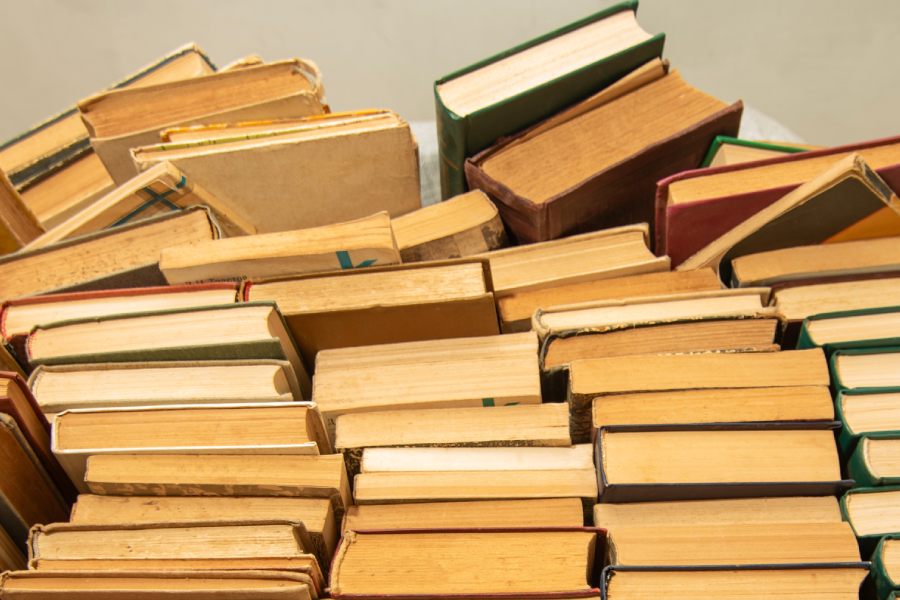
Some clever computer companies, like one called Anthropic, are building programs that can read books very fast.
To teach its helper Claude, the company bought real paper books, peeled off the covers, scanned the pages into a computer, and threw the original books away.
Many people think that is sad, because books can mean more than just words.
In Kolkata, a big city in India, lots of people love old books that somebody else has already read.
An old book might have a name written inside, a little note in the margin, or a faded bookmark left behind by someone from long ago.
Reading the right book can also help people feel better when they are sad or worried — grown-ups call this 'bibliotherapy.'
Doctors say it is like a helpful friend that works along with regular treatment, not a replacement for it.
Nowadays, people often see new books on social media as pretty decorations, which makes the old book stalls harder to notice.
But in Kolkata, the second-hand book stalls are still busy with readers hunting for hidden treasures.

The Guardian reported that Anthropic bought physical books, cut off their bindings, scanned them to train its AI model Claude, and discarded the originals in an internal effort called Project Panama.
Crowds still gather at Kolkata's College Street and Gariahat pavements, where second-hand books may carry an old owner's name, margin notes, faded bookmarks, or forgotten letters.
Experts including Narayana RN Tagore Hospital psychiatrist Dr Arijit Bose say bibliotherapy — structured reading for emotional well-being — is a low-barrier complement to, not a substitute for, standard treatment.
Psychologist Rimpa Sarkar and St Xavier's College professor Arjun Sengupta say old books evoke memories, familiarity, and the character of a bygone era.
Second-hand bookstores risk becoming invisible amid BookTok and Bookstagram culture, yet Kolkata's stalls offer rare finds such as a Sunil Gangopadhyay-signed Krittibas and a 1956 edition of Tolstoy's Resurrection.
- Who
- US AI company Anthropic; Kolkata readers, bibliophiles, and experts including psychiatrist Dr Arijit Bose of Narayana RN Tagore Hospital and psychologist Rimpa Sarkar.
- What
- Anthropic reportedly bought, scanned, and destroyed physical books to train its AI model Claude (Project Panama), while Kolkata readers continue to find comfort and therapeutic value in second-hand books.
- Where
- Kolkata, India — including the second-hand book pavements of College Street and Gariahat.
- When
- Not explicitly dated in the article; The Guardian's report and the current book-market trends are presented as recent.
- Why
- Because second-hand books carry personal history and emotional connection, and structured reading (bibliotherapy) supports well-being, which holds value even as AI digitization discards physical copies.
Book lovers and bibliotherapy
AI digitization and social-media reading culture
Fate of physical books
Book lovers and bibliotherapy
Physical and second-hand books carry personal history, emotional meaning, and comfort; destroying tangible copies erases something irreplaceable.
AI digitization and social-media reading culture
AI firms such as Anthropic treat printed books as raw material: scan their pages into training data for Claude and discard the originals once digitized.
Where reading culture lives
Book lovers and bibliotherapy
Second-hand bookstores in Kolkata remain beloved gathering places, but they are becoming invisible as attention shifts to online book trends.
AI digitization and social-media reading culture
Consumerist market evolution and platforms like BookTok and Bookstagram offer younger readers books with visual and aesthetic appeal, presented as collectables.
Key facts
- AI company involved
- Anthropic (US-based AI safety and research company)
- Internal project name
- Project Panama
- AI model trained
- Claude
- Source of the report
- The Guardian
- Kolkata second-hand book hubs
- College Street and Gariahat pavements
- Therapeutic practice
- Bibliotherapy — structured reading for emotional and psychological well-being
- Rare find examples
- Sunil Gangopadhyay-signed copy of Krittibas; 1956 edition of Tolstoy's Resurrection
Quotes
Dr Arijit Bose
Psychiatrist at Narayana RN Tagore Hospital, Kolkata
“"It sits somewhere between formal clinical treatment and everyday self‑help. A book or text is chosen according to what a patient is dealing with, either independently or with a clinician’s guidance, to help them untangle difficult emotions, recognise recurring thought patterns and develop coping mechanisms."”
 telegraphindia.com
“"Experiences such as browsing old bookshops, visiting College Street, exchanging books with friends, or inheriting books from parents and grandparents can become associated with childhood, family, intellectual curiosity, and cultural identity."”
telegraphindia.com
Sources
Related news
Anthropic’s Destructive Book Scanning Raises Copyright and Preservation Fears

AI firms buy second-hand books for destructive scanning surge
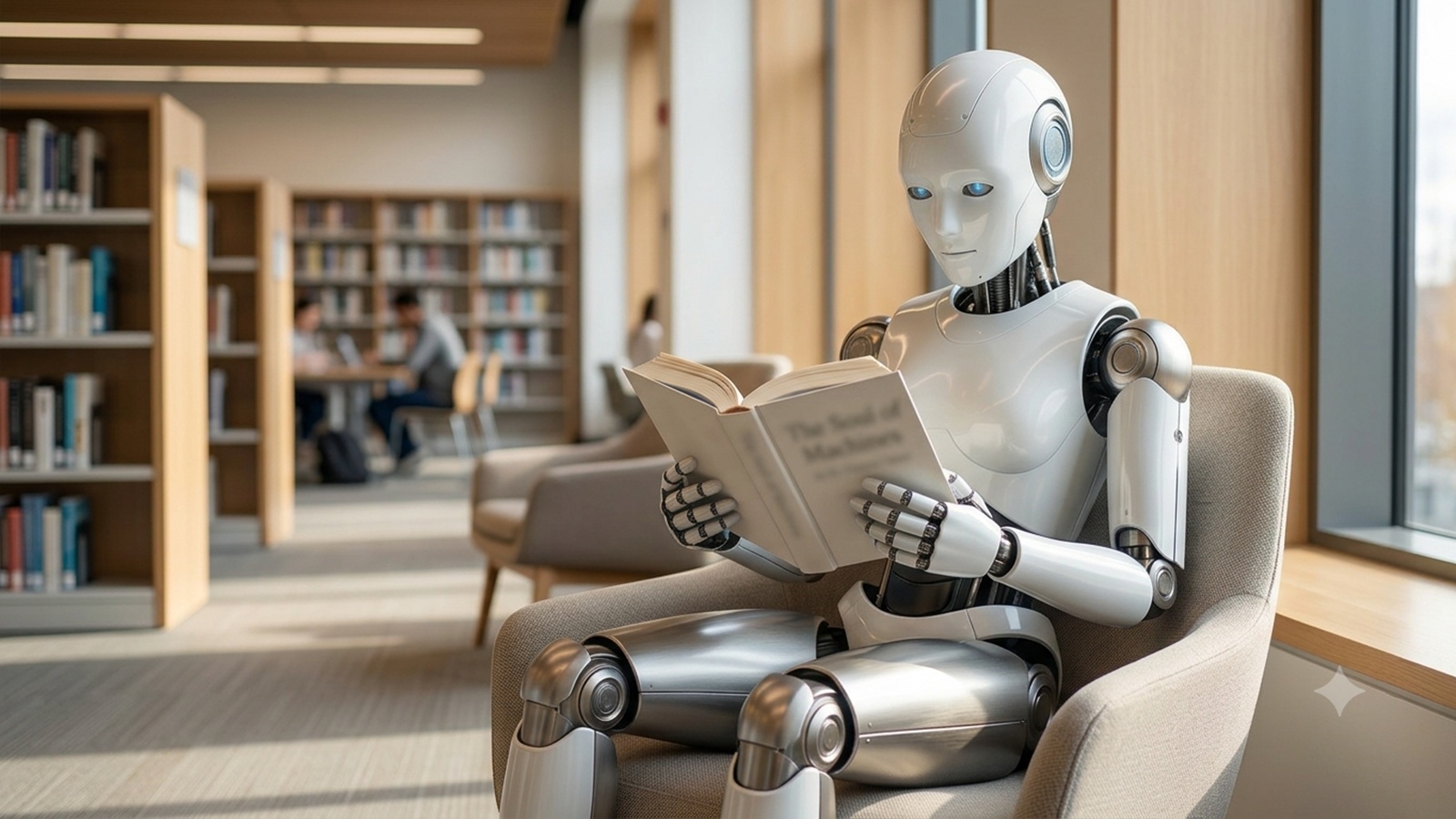
Anthropic destroying books to make AI data: an existential challenge

Why Readers Reread Familiar Books Instead of Buying New Ones
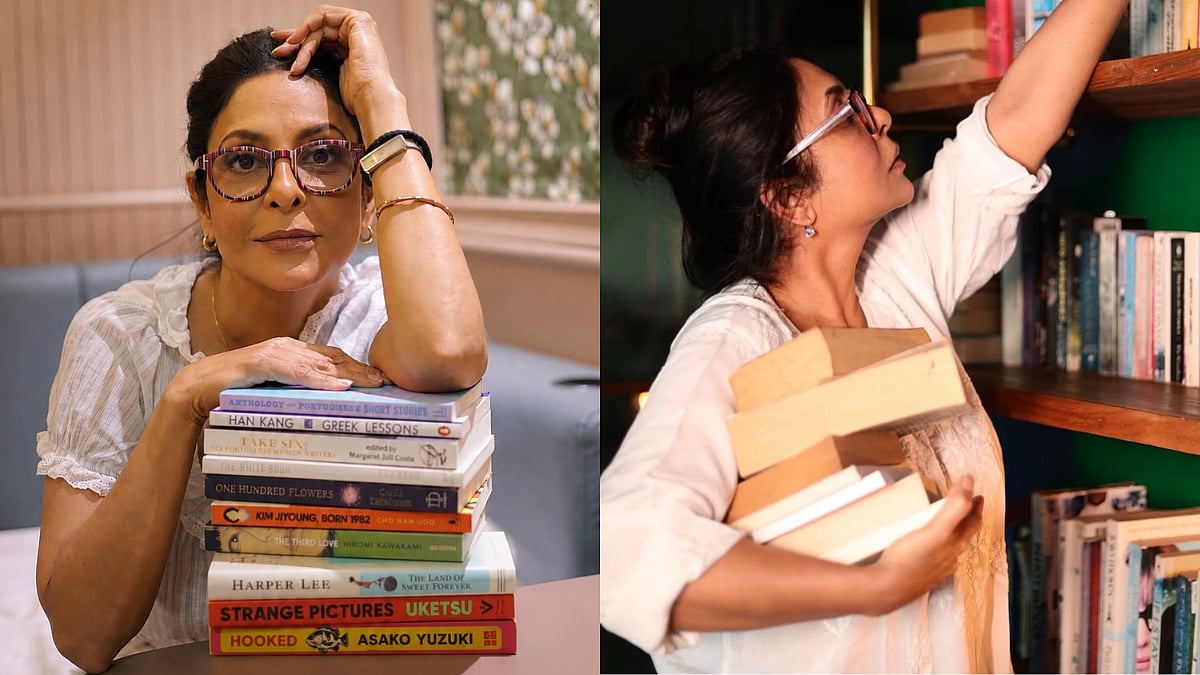
Shefali Shah Guilty of Book Hoarding on Book Lovers Day
Tom Hanks Revisits World War II in 20-Part Docuseries
Debate Over Jason Arday’s Scrutiny Continues Before Book Publication
New Vocabulary Names the Digital Hellscape’s Everyday Annoyances
Venice Adds Gaza Documentary NAZA to Competition Lineup

Study Finds Democratic Endorsement Tilt Among Major News Aggregator Sources