2 weeks ago
Iran Rejects Trump’s Claims of U.S. Control Over Hormuz
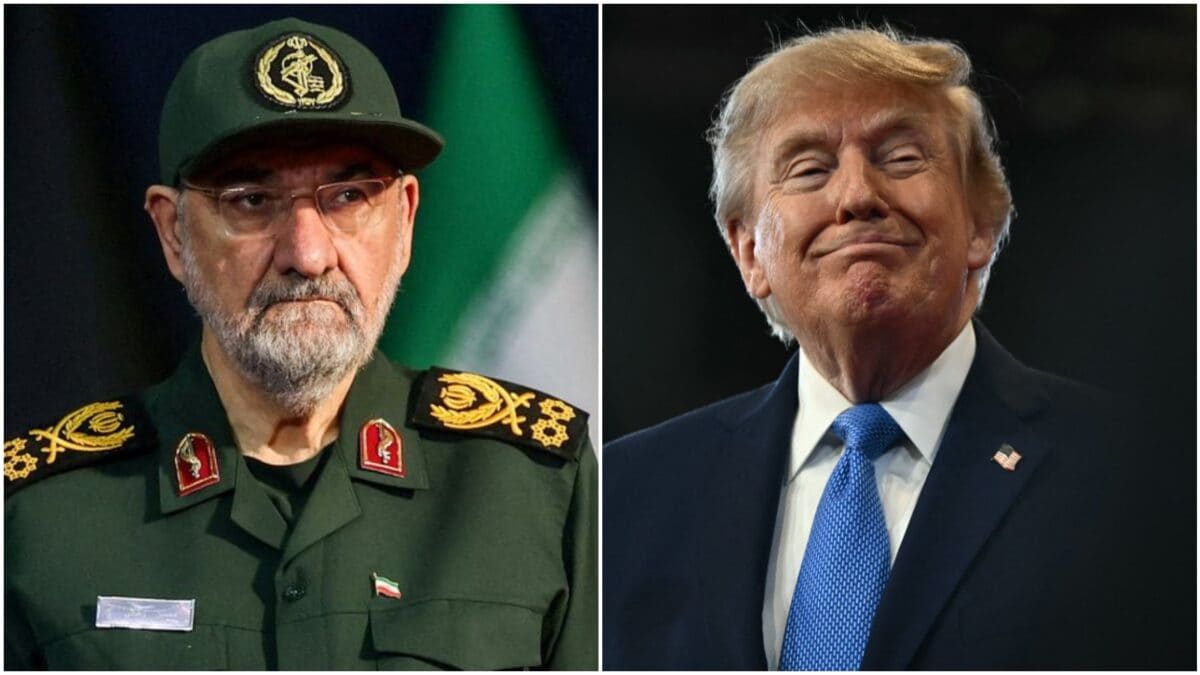
The Strait of Hormuz is a narrow waterway that ships use to carry oil and gas.
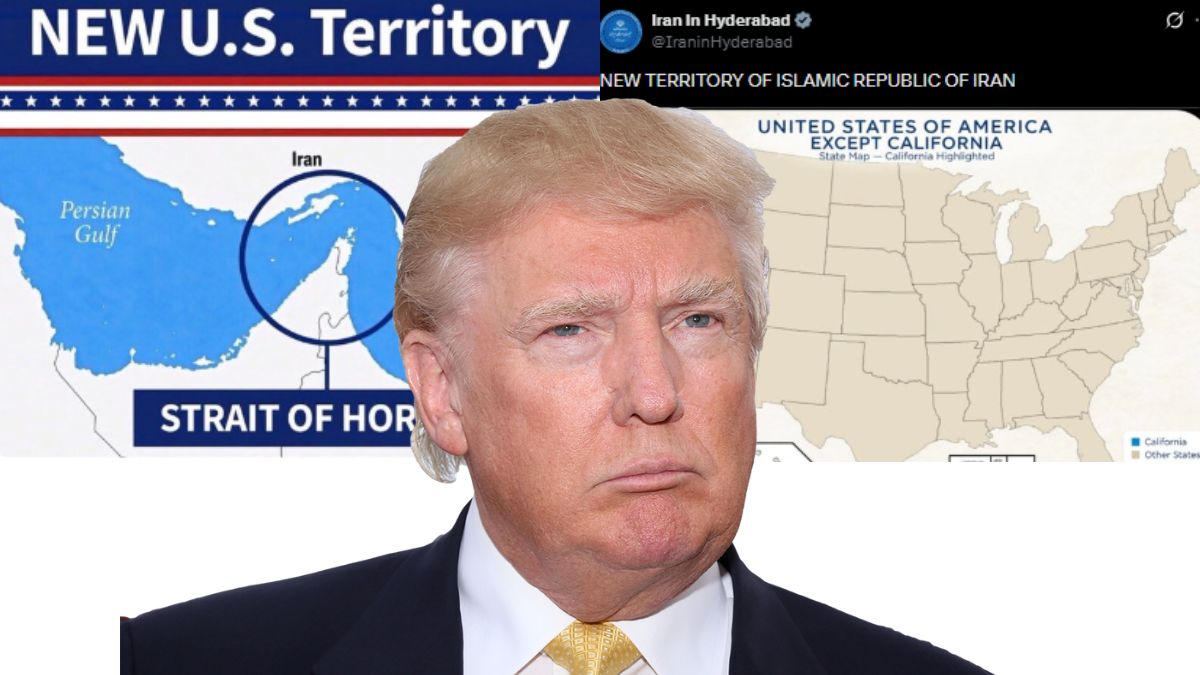
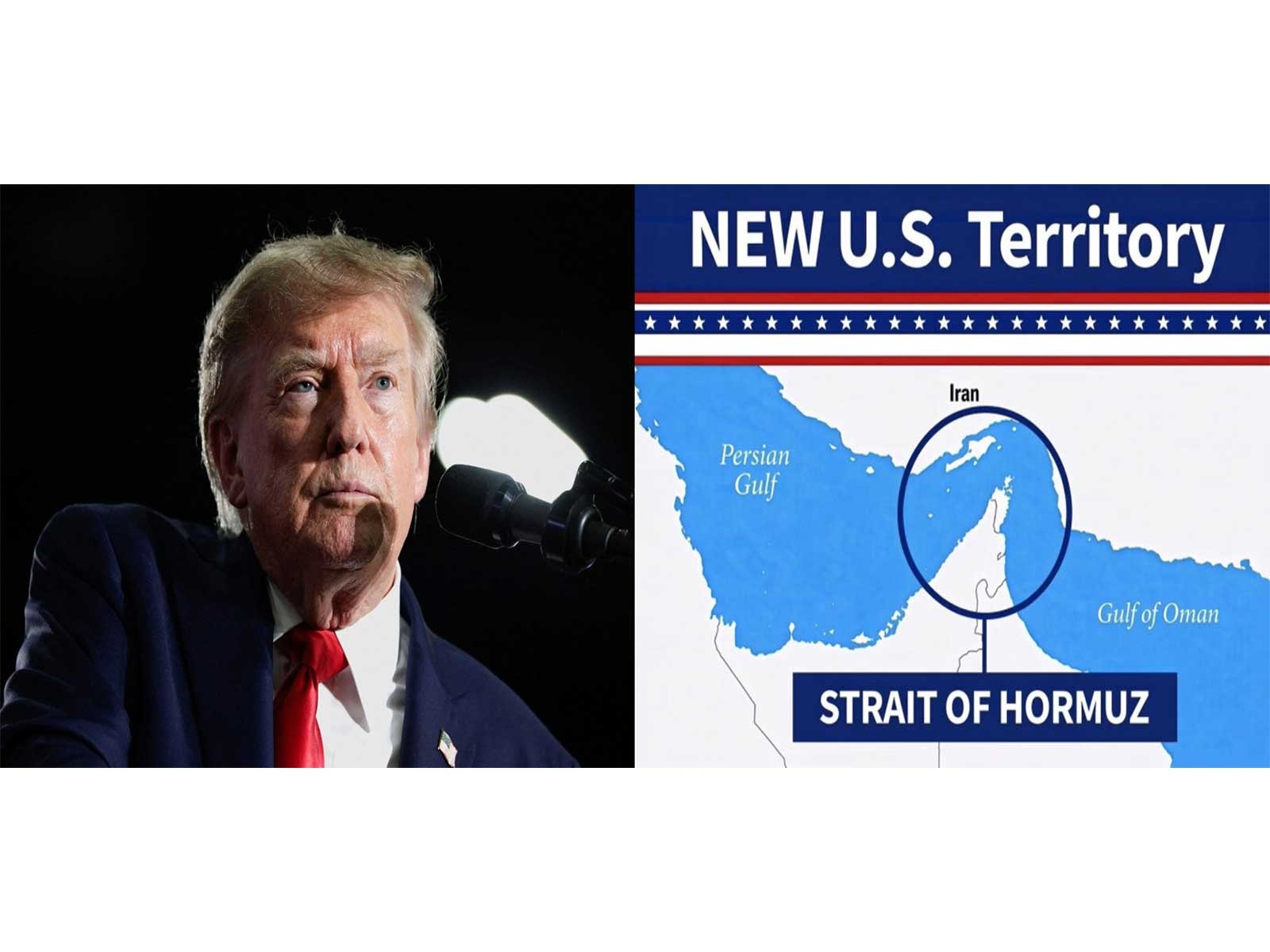
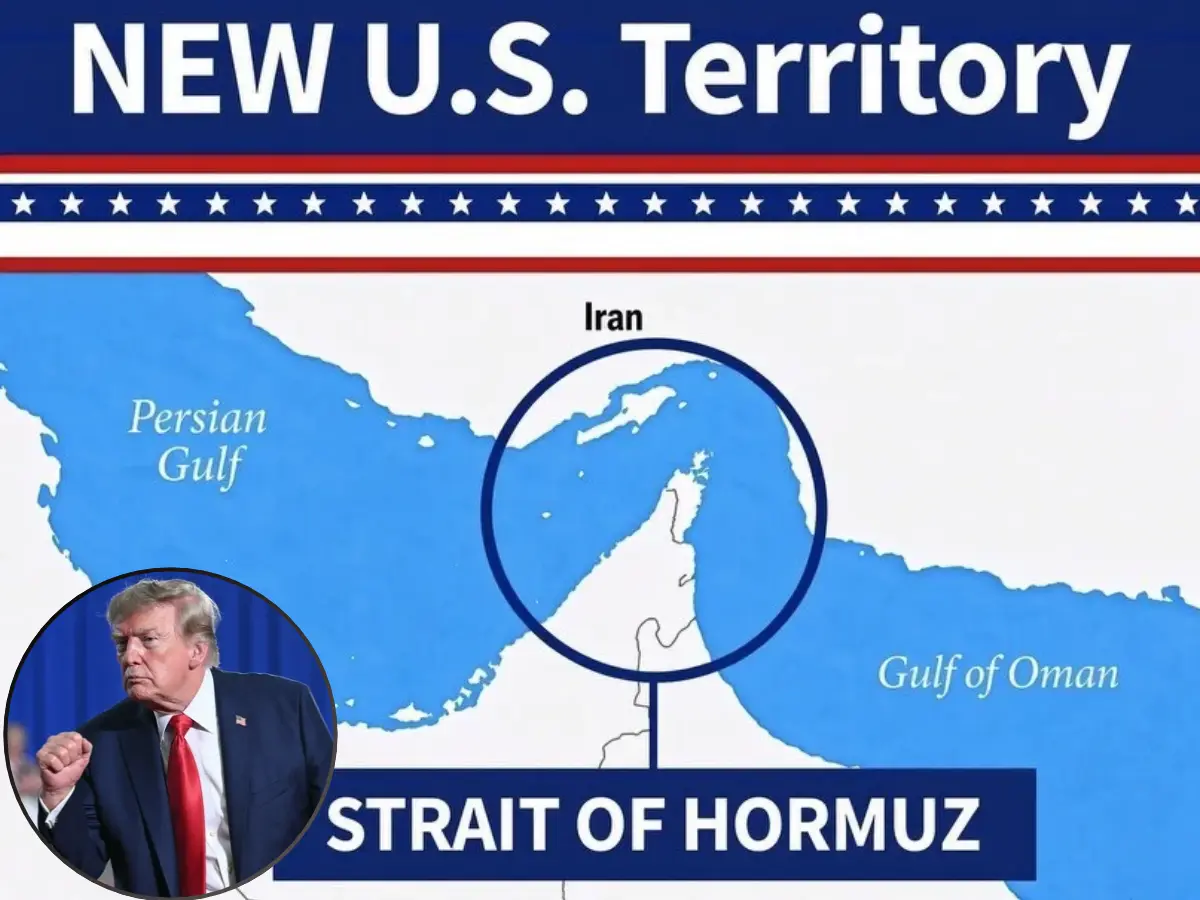
Donald Trump says the United States controls it and posted a map calling it new U.S. territory.
Iran strongly disagrees and says the waterway will remain closed until the United States meets several demands.
Those demands include ending a blockade, lifting sanctions, releasing frozen money, stopping military operations, and paying compensation.
Iran’s security chief mocked Trump by comparing Washington’s distance from the strait with the gap between America’s claims and its actual control.
Trump says the strait is open and operating, while Iran says it has not been fully reopened.
The two countries also disagree about whether talks are taking place.
A prolonged closure could reduce energy supplies and raise prices around the world.

Donald Trump posted an AI-generated map labeling the Strait of Hormuz “NEW U.S. Territory” and claimed the United States had total control.
Iranian security chief Mohsen Rezaei mocked the claim, saying the gap between Washington’s assertions and its ability to reopen the strait exceeded the 7,000-mile distance from Washington.
Deputy Foreign Minister Kazem Gharibabadi warned that Trump’s claims would be corrected by circumstances or by Iran itself.
Iranian officials said the strait would remain closed until the United States ends its blockade, lifts sanctions, releases frozen assets, ends military operations, and pays war compensation.
The conflicting claims have heightened uncertainty around a waterway carrying roughly one-fifth of global oil and gas supplies, while diplomacy remains stalled.
- Who
- U.S. President Donald Trump and Iranian officials Mohsen Rezaei, Kazem Gharibabadi, and Mohammad Bagher Ghalibaf are central to the dispute.
- What
- Iran rejected Trump’s claim that the United States controls or owns the Strait of Hormuz and reaffirmed conditions for reopening it.
- Where
- The dispute concerns the Strait of Hormuz in the Persian Gulf, about 7,000 miles from Washington.
- When
- The latest statements were made on August 18, 2026, and reported on August 19.
- Why
- The disagreement involves control of the waterway, a U.S. blockade, sanctions, frozen Iranian assets, military operations, compensation, and conflicting claims about negotiations.
Iran’s Position
U.S. Position
Control of the strait
Iran’s Position
Iran rejects the claim that the United States owns or controls the Strait of Hormuz and says the waterway will remain Iranian.
U.S. Position
Trump said the United States had total control of the strait and supported the idea of declaring it U.S. territory.
Whether the waterway is open
Iran’s Position
Iran says it has not fully reopened the strait and will determine when reopening occurs.
U.S. Position
Trump said the strait was open and operating, while maintaining that a U.S. naval blockade remained in force.
Diplomatic contacts
Iran’s Position
Iran and Oman have discussed managing traffic, and Qatar said such an arrangement might help negotiations resume.
U.S. Position
Trump said there were no talks or scheduled negotiations with Iran, contradicting Jared Kushner’s statement that conversations were active and positive.
Key facts
- Trump’s claim
- Trump said the Strait of Hormuz was under total U.S. control and posted a map labeling it “NEW U.S. Territory.”
- Iran’s response
- Mohsen Rezaei called the gap between U.S. claims and its ability to reopen the strait greater than the 7,000-mile distance from Washington.
- Iran’s reopening conditions
- Iran has demanded an end to the blockade, lifted oil sanctions, released frozen assets, an end to U.S. military operations, and compensation for war-related damage.
- Contradictory status claims
- Trump said the strait was open and operating and that mines had been removed or detonated; Iran said it would decide when and under what conditions to reopen it.
- Energy importance
- Roughly one-fifth of global oil and gas supplies normally pass through the Strait of Hormuz.
- Diplomatic status
- A 60-day negotiating period ended on August 17, while Qatar said Iran-Oman discussions on managing traffic could help negotiations resume.
Quotes

Kazem Gharibabadi
Iranian Deputy Foreign Minister
“"Just as Trump correctly wrote the name of the eternal Persian Gulf, soon his delusion regarding the Strait of Hormuz will either be corrected or we will correct the delusions of this deluded man."”
 rediff.com
“"The gap between America's inability to reopen the Strait of Hormuz and its claim to own it is greater than the 7,000-mile distance between Washington and the Strait itself."”
 news18.com
rediff.com
news18.com
rediff.com
 livemint.com
Sources


Related news
Iran Rejects Trump’s Claim to Control Strait of Hormuz
Iran rejects Trump's Strait of Hormuz US territory threat
Trump Says US Has Total Control of Strait of Hormuz
Trump Again Shares Hormuz Map Labeling Strait New US Territory
Trump Claims Hormuz Is U.S. Territory as Iran Rejects

Trump Says He May Declare Strait Of Hormuz US Territory

Saudi Arabia Says Iranian Tanker Attack Killed Two Sailors
U.S.-Iran Exchange Escalates Across Middle East, Markets Slide
Trump Aides Seek Quiet Iran War Before Midterm Elections
US Warns Middle East Travelers Amid Escalating Iran-Linked Tensions

Indian Stocks Slide as Oil, Conflict and Yields Rise