1 week ago
Trump Claims Hormuz Is U.S. Territory as Iran Rejects
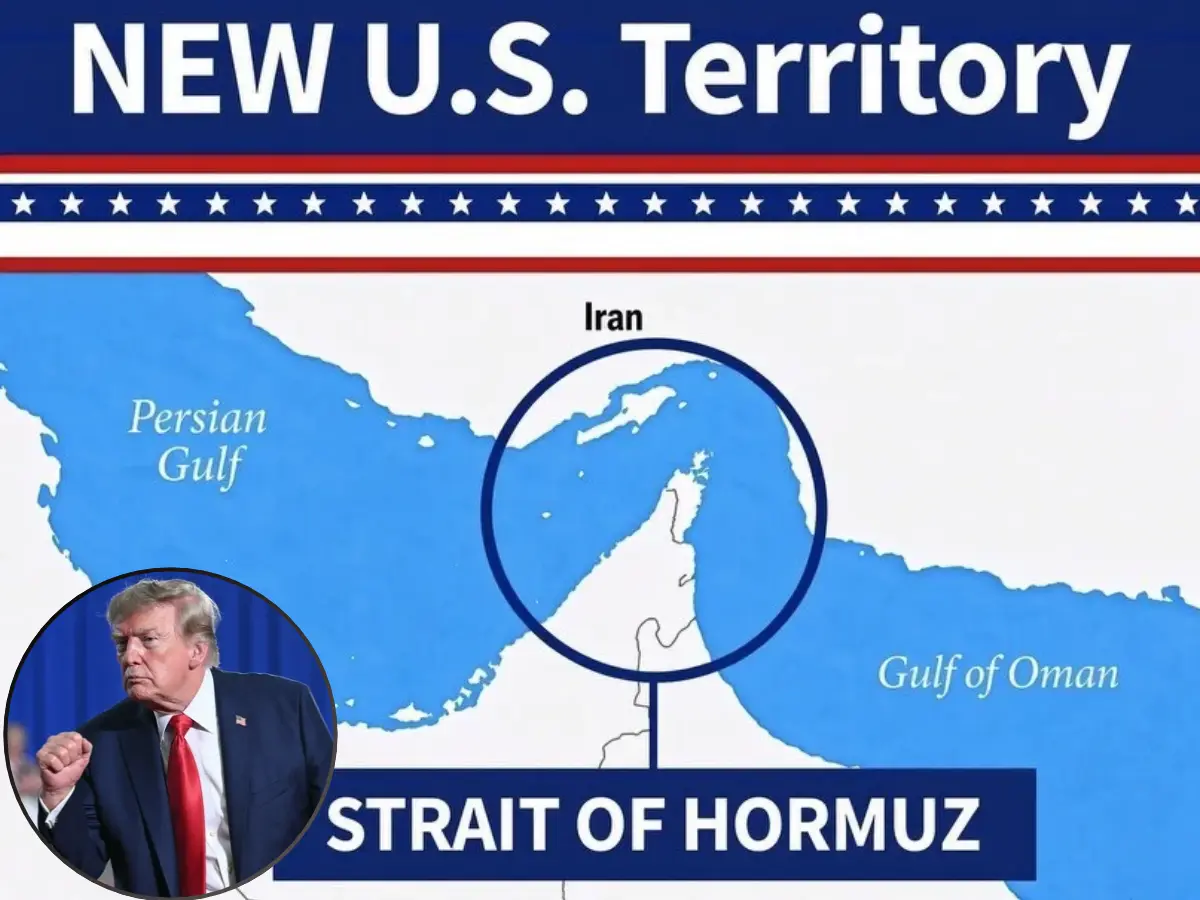
Donald Trump said Iran must never be allowed to have a nuclear weapon.
He claimed that U.S. action had already stopped Iran from getting one.
Trump also called the Strait of Hormuz American territory and said the United States controlled it.
Iran rejected that claim.
Iranian officials said the claim would be corrected or challenged.
Trump said Iran wanted a deal but was not ready to accept the terms he wanted.
Iran’s parliament speaker said the strait would remain closed until the United States met several conditions.
The disagreement is part of rising tensions involving nuclear weapons, shipping access and economic pressure.

Donald Trump said Iran must never obtain a nuclear weapon and claimed U.S. action had stopped that possibility.
Trump described the Strait of Hormuz as American territory and claimed the United States had total control of the waterway and surrounding region.
Trump said Iran wanted an agreement but was not prepared to accept what he called the right deal.
Iranian officials rejected Trump’s territorial claim, with Kazem Gharibabadi saying it would be corrected and Mohsen Rezaei criticising Washington’s position.
Mohammad Bagher Ghalibaf said Iran would not reopen the strait until U.S. commitments included lifting the blockade, releasing frozen assets and easing oil sanctions.
- Who
- U.S. President Donald Trump and Iranian officials including Kazem Gharibabadi, Mohsen Rezaei and Mohammad Bagher Ghalibaf.
- What
- Trump claimed the United States controlled the Strait of Hormuz and called it American territory while warning that Iran would never obtain a nuclear weapon; Iran rejected the claim and set conditions for reopening the strait.
- Where
- Myrtle Beach, South Carolina, and Joint Base Andrews; the dispute concerns the Strait of Hormuz.
- When
- Friday, including August 21 in one report; Trump spoke at a rally and earlier to reporters.
- Why
- The remarks came amid tensions between Washington and Tehran over the waterway, Iran’s nuclear program, a blockade, economic pressure and negotiations.
U.S. Position
Iranian Position
Status of the Strait of Hormuz
U.S. Position
Trump said he viewed the Strait of Hormuz as American territory and claimed the United States had total control over the waterway and related region.
Iranian Position
Iran rejected the assertion, with officials describing Trump’s claim as a delusion that would be corrected or challenged.
Agreement and reopening conditions
U.S. Position
Trump said Iran wanted a deal but was not ready to accept what he considered the right deal, while questioning whether Washington still wanted an agreement.
Iranian Position
Ghalibaf said Iran would not reopen the strait until the United States fulfilled commitments including lifting the blockade, releasing frozen assets and easing oil sanctions.
Economic pressure
U.S. Position
Trump announced an expanded campaign targeting oil smuggling, financial transfers, exchange houses, ship registries and front companies linked to Tehran, and urged U.S. allies to participate.
Iranian Position
Iranian Foreign Minister Seyed Abbas Araghchi said earlier sanctions and maximum-pressure campaigns had failed and predicted the new operation would also fail.
Key facts
- Main speaker
- U.S. President Donald Trump
- Strategic waterway
- The Strait of Hormuz, through which a significant share of global energy supplies passes
- Trump’s nuclear position
- He said Iran must never be allowed to obtain a nuclear weapon
- Trump’s control claim
- He called the Strait of Hormuz American territory and said the United States had total control of it and the surrounding region
- Iranian response
- Kazem Gharibabadi and Mohsen Rezaei rejected or criticised Trump’s assertions
- Conditions for reopening
- Mohammad Bagher Ghalibaf cited a 14-point memorandum including lifting the blockade, releasing frozen Iranian assets and easing oil sanctions
- U.S. pressure campaign
- Trump called his campaign against Iran the most crushing economic operation ever taken and dubbed it Economic D-Day
- Diplomatic involvement
- Oman remained involved in discussions concerning sovereignty and safe commercial navigation through the strait
Quotes
Seyed Abbas Araghchi
Iranian foreign minister
“14 years ago: ‘Most crippling sanctions in history.’ Failed. 8 years ago: ‘Maximum pressure.’ Failed. 5 months ago: ‘Unconditional surrender.’ Failed. Today: ‘Most crushing economic operation ever.’ Bound to fail. We have seen this movie before. Same bull. Different bullies.”
 thestatesman.com
“We're just going to sort of see what happens, and we have total control, as you know, of the border; we have total control -- if you look at the blockade, we have total control of that entire region having to do with the Strait of Hormuz.”
 livemint.com

Kazem Gharibabadi
Iranian deputy foreign minister commenting on X
“Just as Trump correctly wrote the name of the eternal Persian Gulf, soon his delusion regarding the Strait of Hormuz will either be corrected or we will correct the delusions of this deluded man.”
 republicworld.com
thestatesman.com
republicworld.com
thestatesman.com
 firstpost.com
 deccanchronicle.com
 theprint.in
Sources
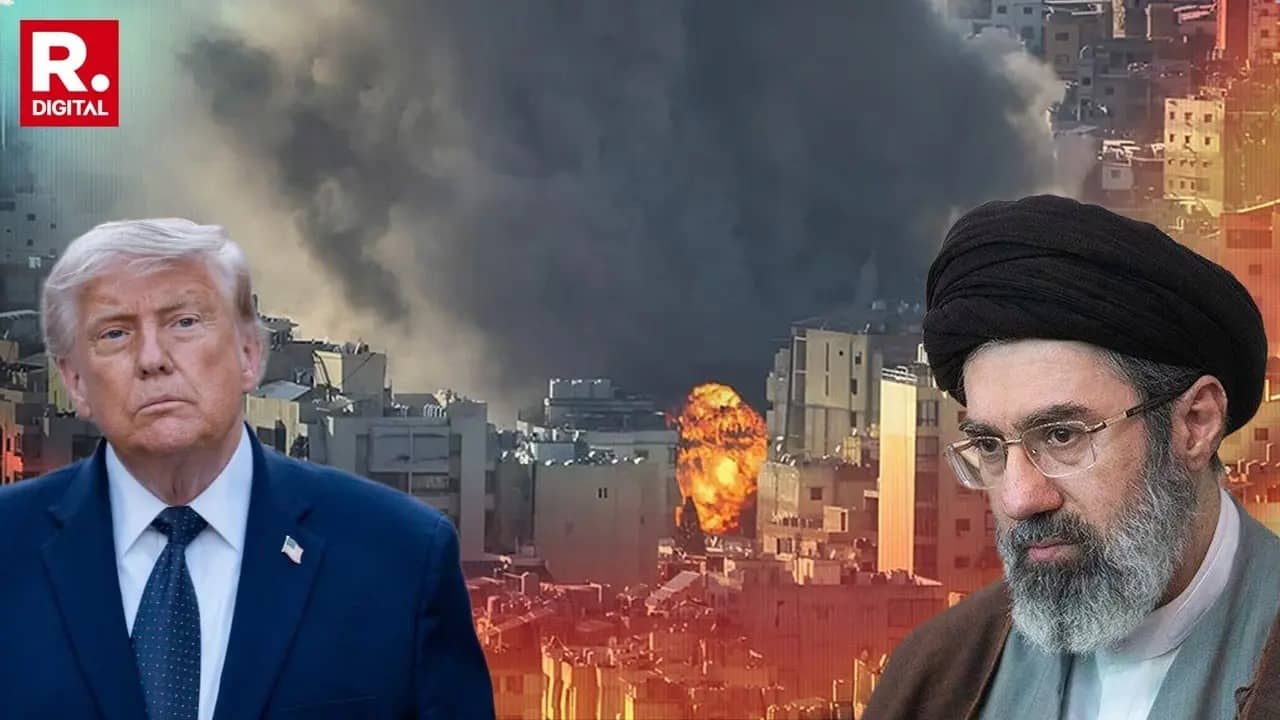
Trump Calls Strait of Hormuz 'American Territory', Says Iran Will 'Never' Have Nuclear Weapon

Trump calls Strait of Hormuz US territory

Trump calls Strait of Hormuz ‘American territory’; Iran vows to ‘correct’ his ‘delusion’
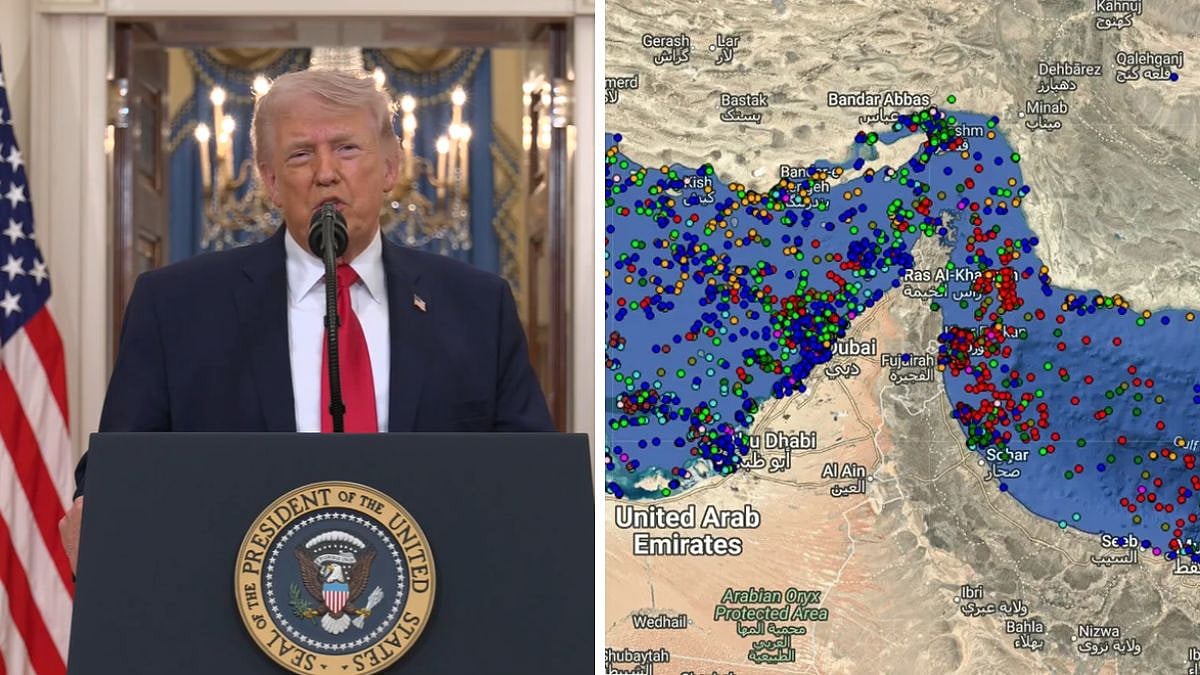
Trump Escalates Iran Rhetoric, Claims US Has ‘Total Control’ Over Strait Of Hormuz
Strait of Hormuz is American territory: Trump claims key waterway; says Iran wants to make a deal

US-Iran war: Trump describes Strait of Hormuz as ‘American territory’, claims 'total control' over waterway
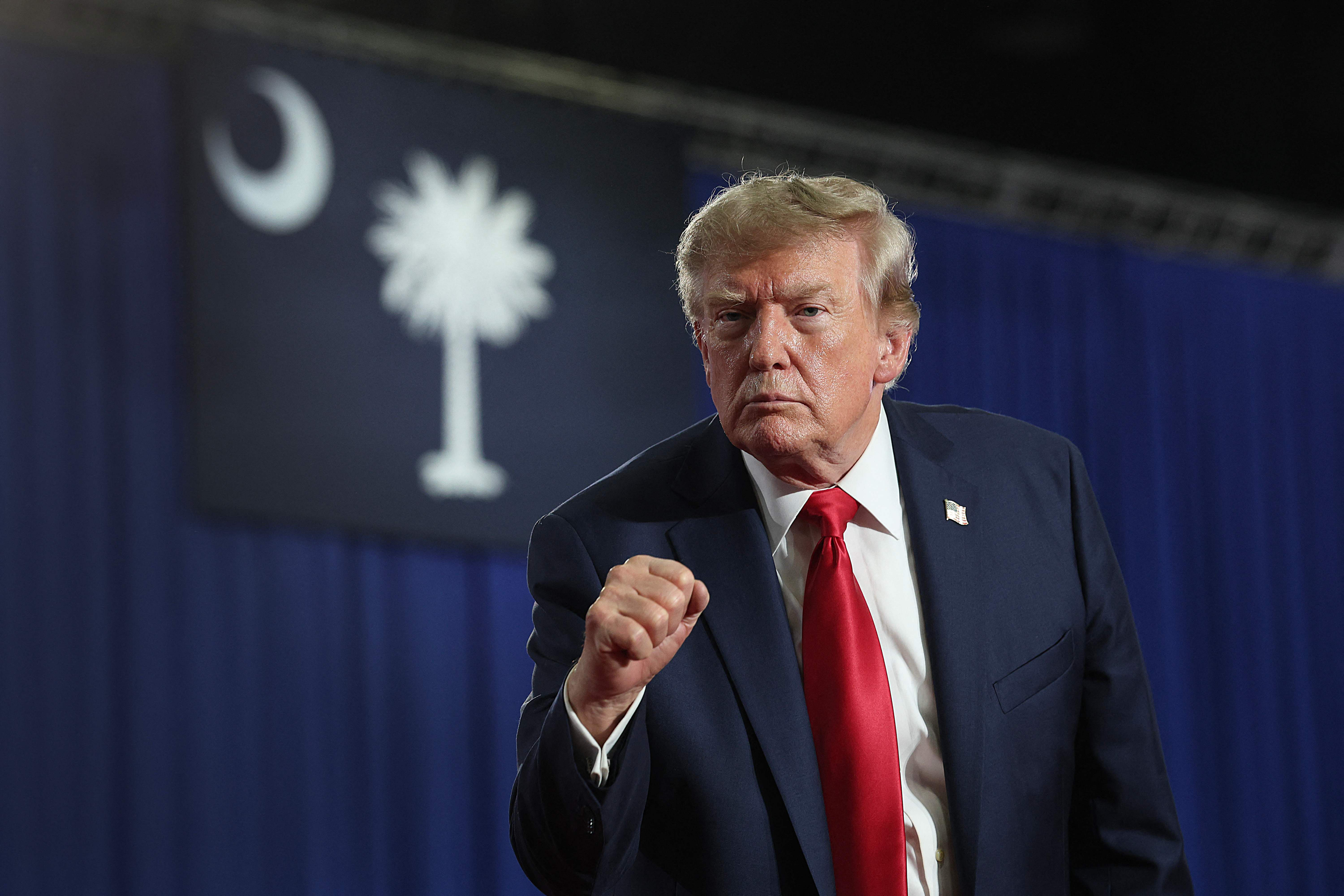
Trump Calls Hormuz US Territory, Says Iran will Never have Nukes
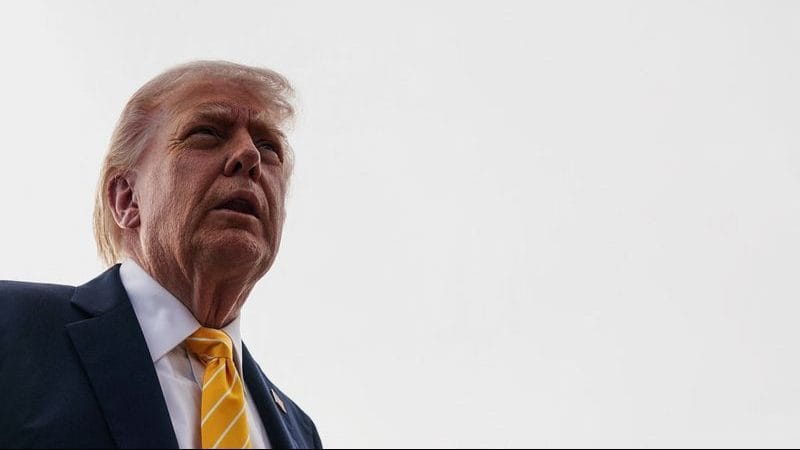
Trump calls Strait of Hormuz ‘American territory’, says Iran will ‘never’ have nuclear weapons
Trump calls Strait of Hormuz 'American territory', vows Iran will never get nuclear weapon
Related news
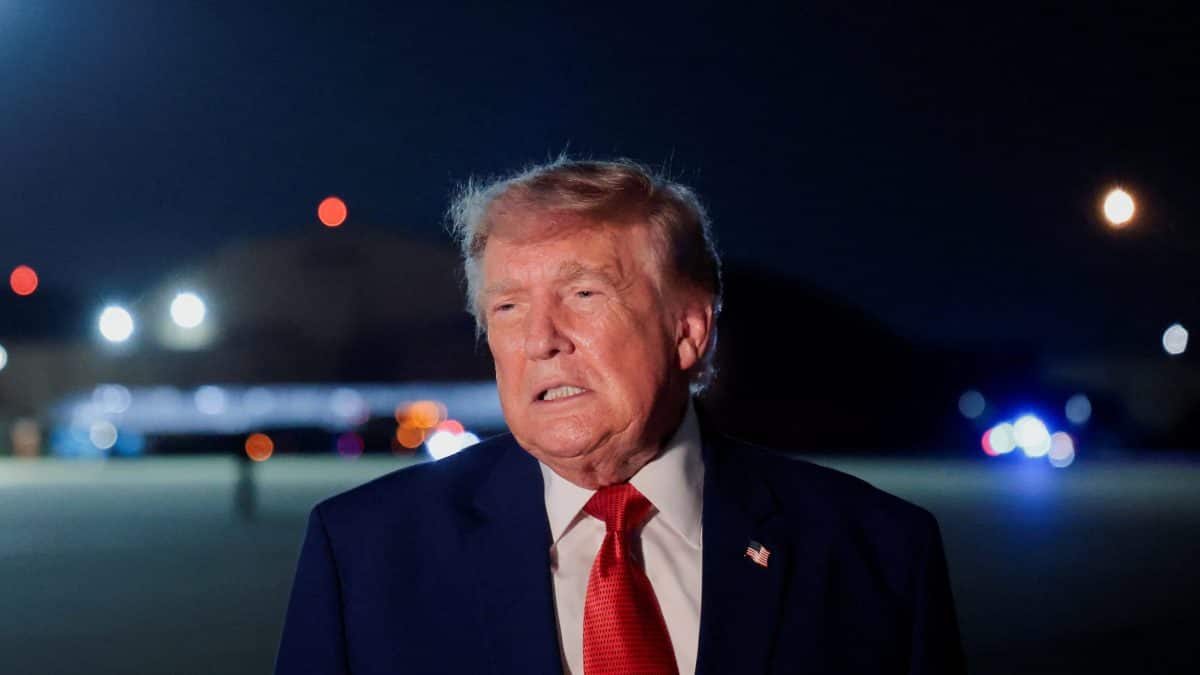
Trump Says He'll Soon Declare Strait Of Hormuz US Territory

Trump Says He May Declare Strait Of Hormuz US Territory
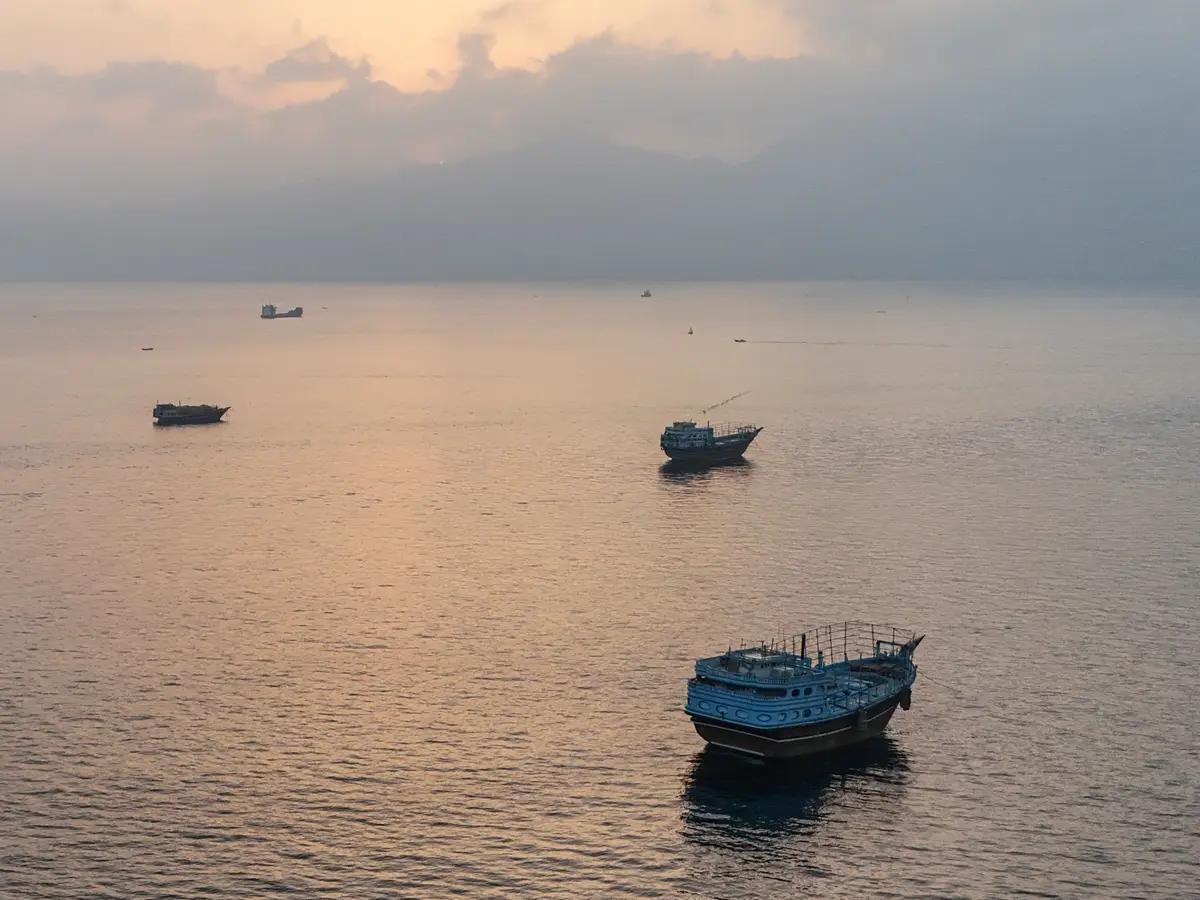
Iran rejects Trump's Strait of Hormuz US territory threat
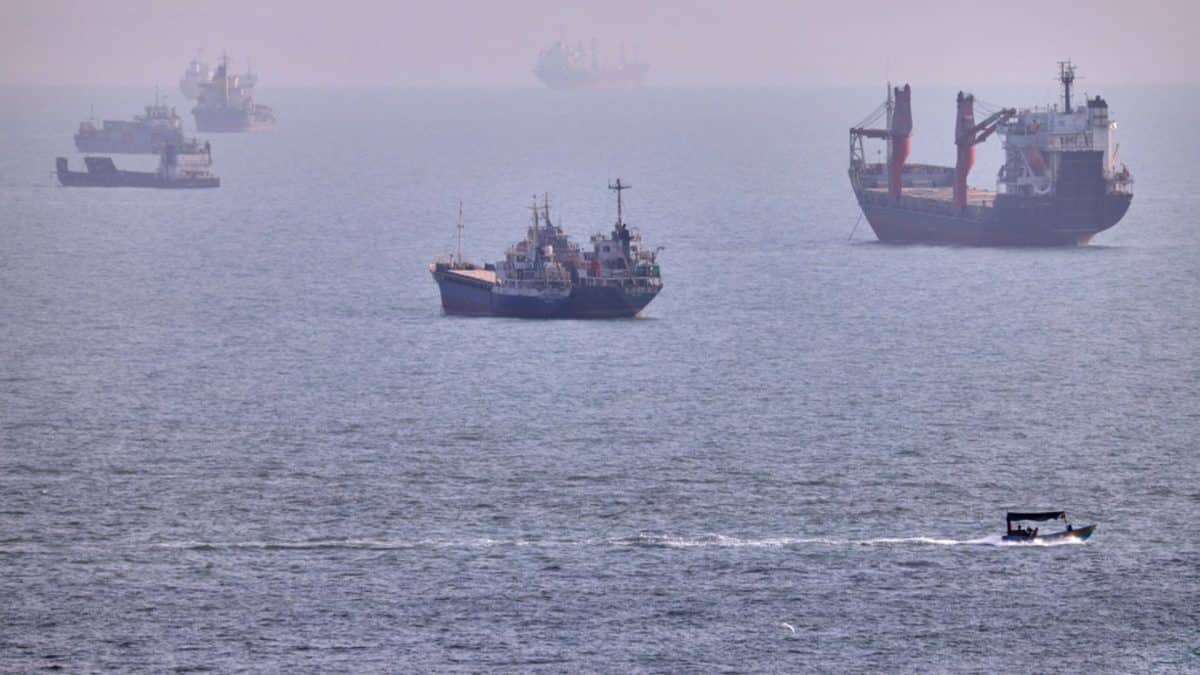
Trump Says US Has Total Control of Strait of Hormuz
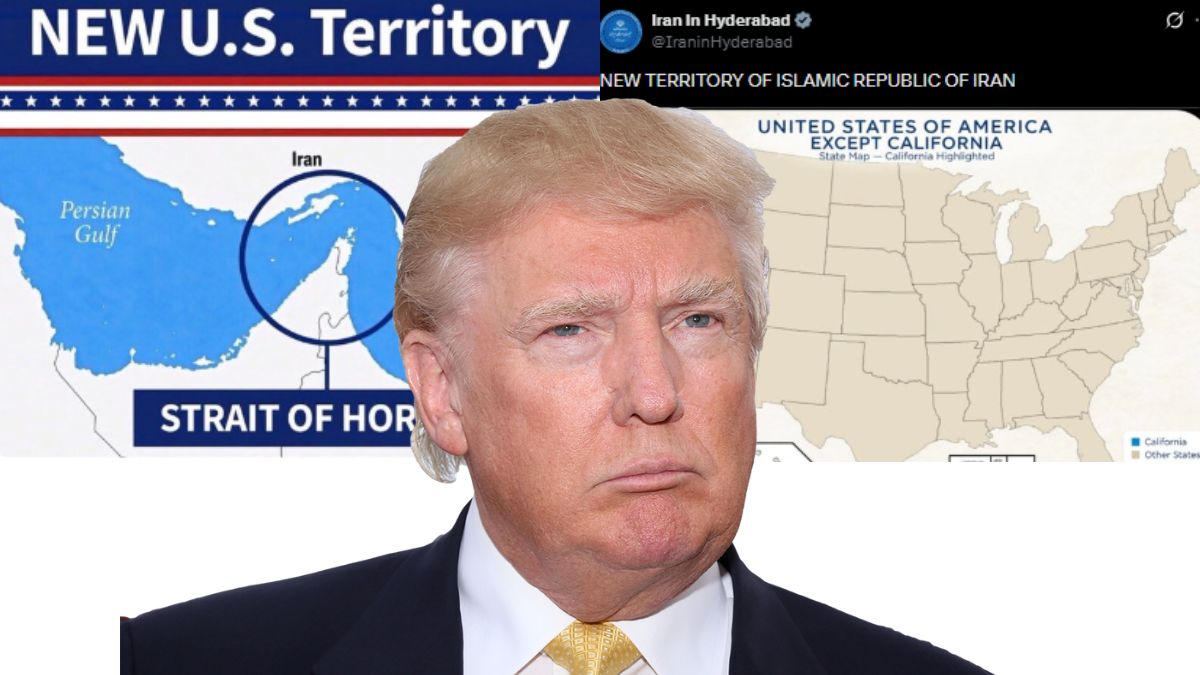
Iran Rejects Trump’s Claim to Control Strait of Hormuz
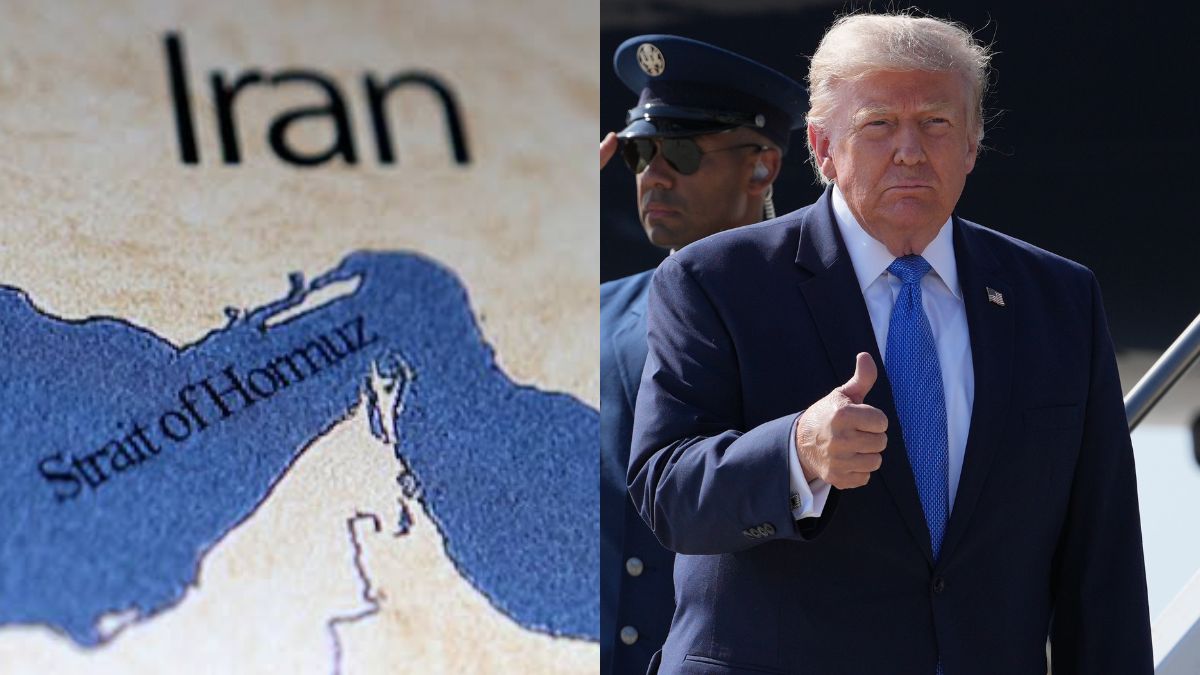
Trump vows to declare Strait of Hormuz US territory

Saudi Arabia Says Iranian Tanker Attack Killed Two Sailors
U.S.-Iran Exchange Escalates Across Middle East, Markets Slide
Trump Aides Seek Quiet Iran War Before Midterm Elections
US Warns Middle East Travelers Amid Escalating Iran-Linked Tensions

Indian Stocks Slide as Oil, Conflict and Yields Rise