2 weeks ago
Iran rejects Trump's Strait of Hormuz US territory threat
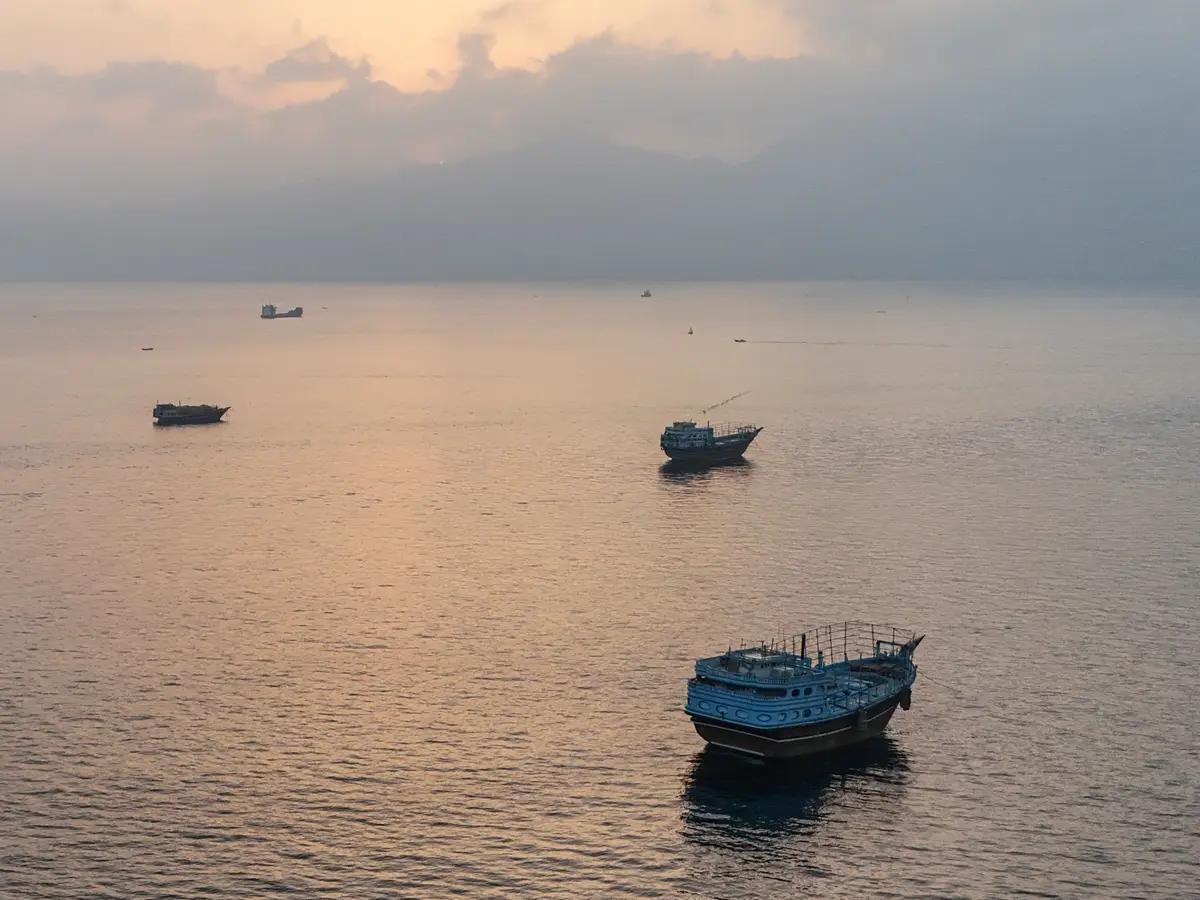
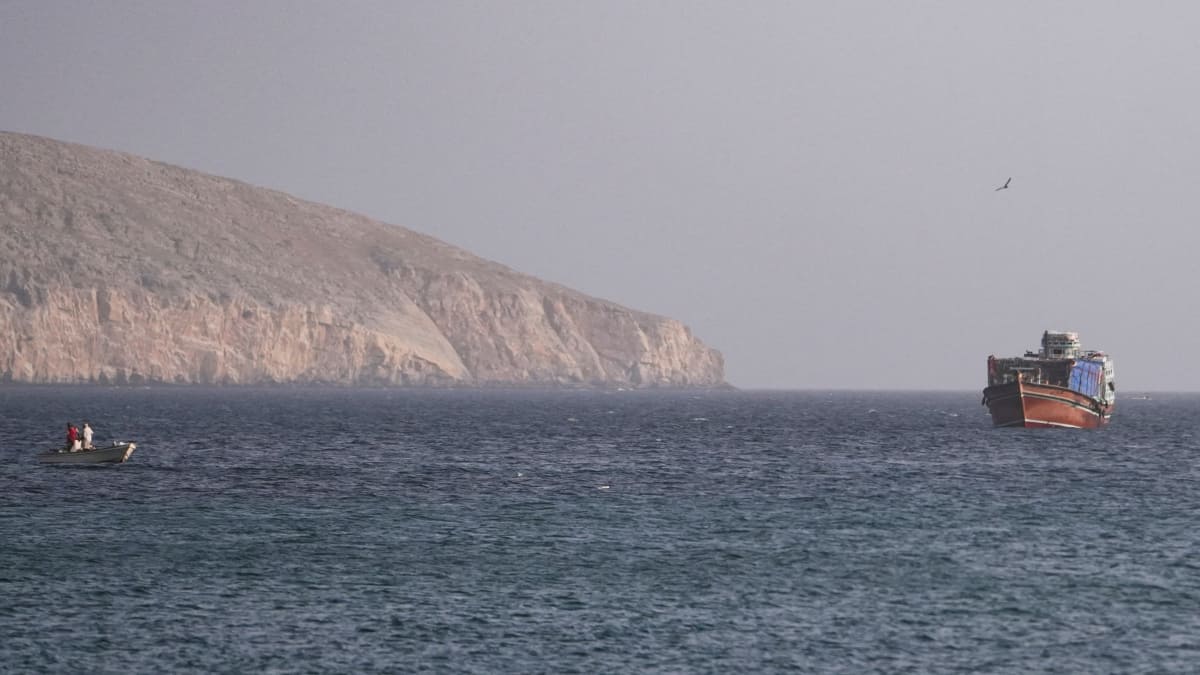
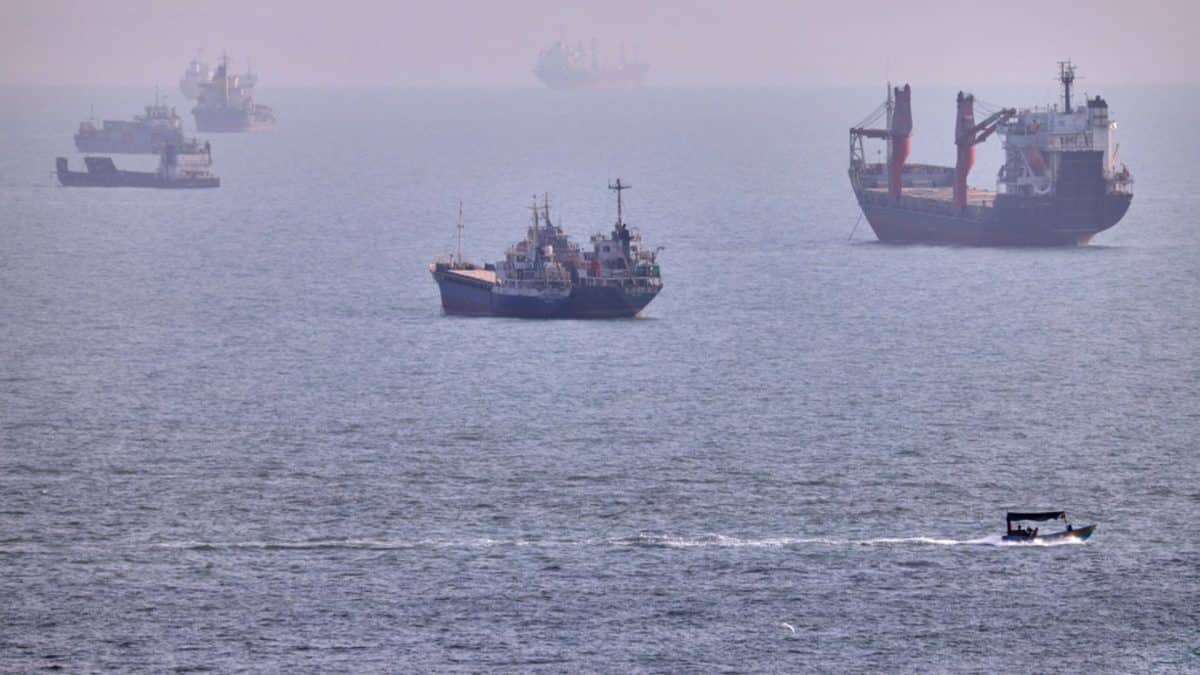
The Strait of Hormuz is a narrow waterway where many ships carry oil and gas, and lots of countries depend on that energy.
Iran sits next to the strait and says it has always owned it.
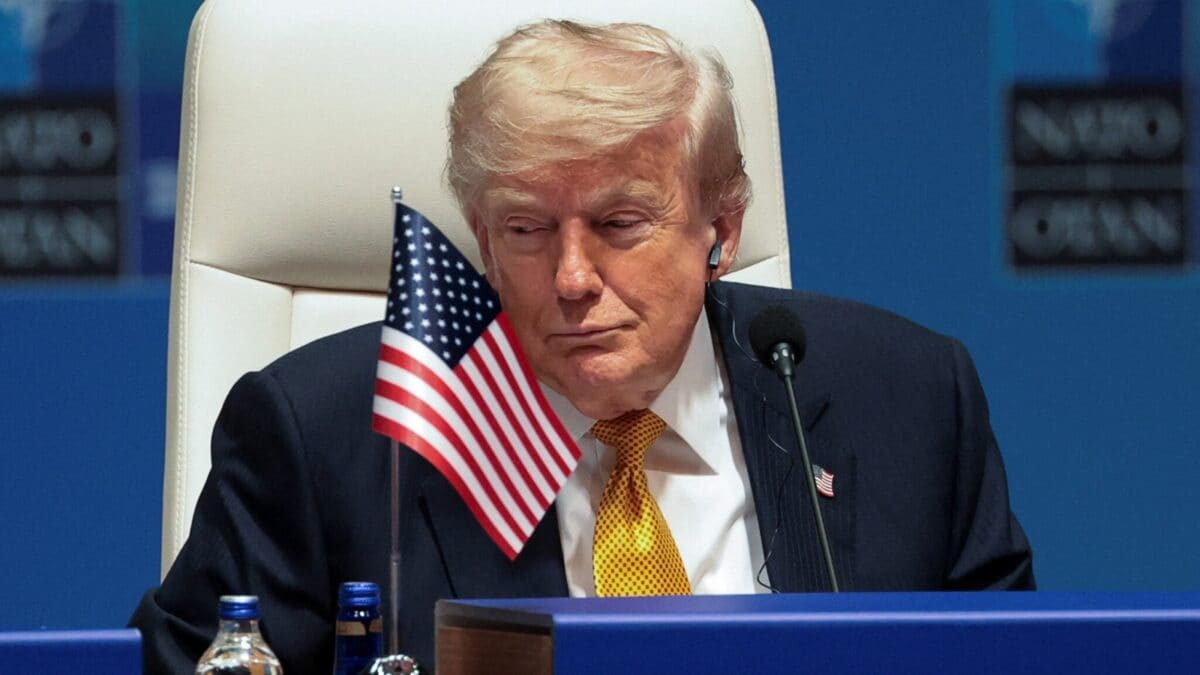
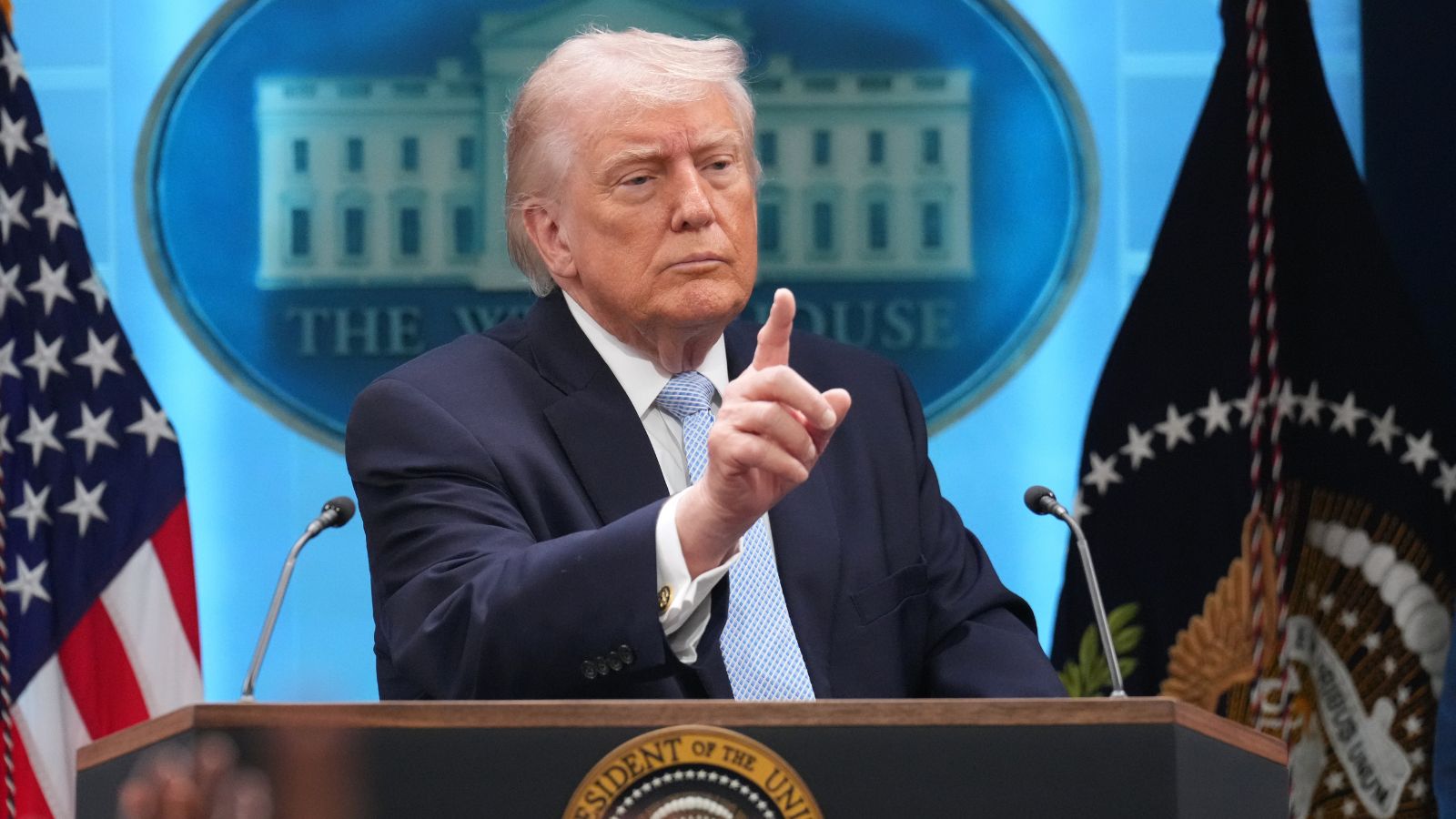
Recently, US President Donald Trump said that after the US defeats Iran, he would make the strait a US territory.
Iran strongly disagreed with that idea.
Iran's leaders said the strait will always belong to Iran and that any country that tries to take it by force would be defeated.
Iran has been limiting ships in the strait since the war began in late February.
Iran says normal shipping can return only if the war stops, sanctions end, its money is returned, and it gets compensation.
One of the UAE's oil company's ships was also attacked recently, which made the situation even more tense.
The whole world is watching because so much of the world's energy travels through this waterway.

Iranian Deputy Foreign Minister Kazem Gharibabadi declared the Strait of Hormuz 'has been Iranian, is Iranian, and will remain Iranian,' saying it can be closed or opened only under Iran's command.
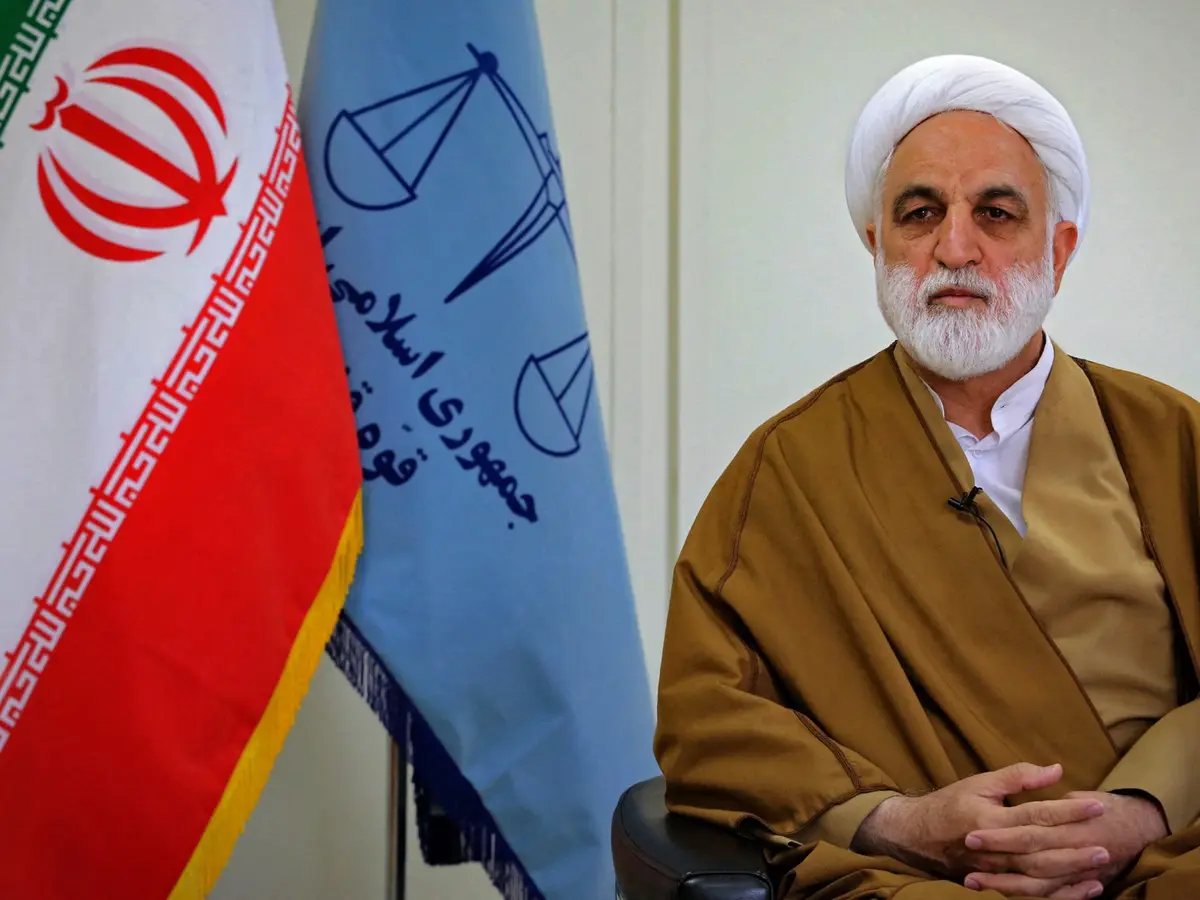
Iran's judiciary chief Gholamhossein Mohseni-Ejei called Iran the 'owner and ruler' of the waterway and warned that any aggressor entering the strait would be defeated.
Trump said at a rally in New York state that he would soon declare the strait a US territory after defeating Iran; a White House official called the remark a joke, per the Wall Street Journal.
Senior Iranian official Mohammad Bagher Zolghadr said reopening the strait requires an end to the war against Iran and its allies in Lebanon, Palestine, Yemen and Iraq, plus lifted sanctions, released assets and compensation.
State-owned UAE company ADNOC said one of its vessels was attacked on Friday night, after the UAE blamed Iran for attacks on two other ADNOC-linked vessels in the strait.
- Who
- Iranian Deputy Foreign Minister Kazem Gharibabadi, judiciary chief Gholamhossein Mohseni-Ejei and senior official Mohammad Bagher Zolghadr, alongside US President Donald Trump and Vice President JD Vance
- What
- Iran rejected Trump's claim that the Strait of Hormuz could become US territory, insisting the waterway will remain under Iranian control and warning that any aggressor would be defeated
- Where
- The Strait of Hormuz, connecting the Persian Gulf with the Gulf of Oman and the Arabian Sea
- When
- Trump made his remarks at a Friday rally in New York state; the war that led Iran to restrict the strait began in late February, and an ADNOC vessel was attacked the following Friday night
- Why
- Roughly one-fifth of the world's oil and liquefied natural gas exports passed through the strait before the war, making it a central flashpoint in the US-Iran conflict and global energy markets
Iran's stance
US stance
Control of the Strait of Hormuz
Iran's stance
Iran says the strait has always been, is, and will remain Iranian, calling itself its 'owner and ruler' under international law and warning that any aggressor entering it would be defeated.
US stance
Trump said the US would declare the strait a US territory after defeating Iran and says Washington blocks vessels from Iranian ports; US officials reject any move giving Tehran greater control or the ability to impose tolls.
Conditions for restoring normal shipping
Iran's stance
Iran demands an end to the war and aggression against Iran and its allies in Lebanon, Palestine, Yemen and Iraq, plus lifted US sanctions, released frozen assets and compensation for damage.
US stance
The US maintains a blockade on Iranian ports, allowing vessels only with Washington's permission, and opposes Iran gaining new powers such as tolls it did not exercise before the war.
Seriousness of Trump's US territory threat
Iran's stance
Iran treated the remarks as a serious challenge to its sovereignty, prompting high-level rejections from the deputy foreign minister and the judiciary chief.
US stance
A White House official described Trump's statement as a joke, according to the Wall Street Journal.
Key facts
- Iran's Stance
- The strait 'has been Iranian, is Iranian, and will remain Iranian'; decisions on closing and opening it stay with Tehran, which calls itself its 'owner and ruler'
- US Position
- Trump said he would soon declare the strait a US territory after defeating Iran; a White House official described the remark as a joke, according to the Wall Street Journal
- Strategic Importance
- Roughly one-fifth of the world's oil and liquefied natural gas exports passed through before the war, which began with the US-Israel attack on Iran on February 28
- Reopening Conditions
- End to the war and aggression against Iran and its allies in Lebanon, Palestine, Yemen and Iraq; lifted US sanctions; released frozen assets; compensation
- Recent Attack
- ADNOC said one of its vessels was attacked on Friday night; the UAE earlier blamed Iran for attacks on two other ADNOC-linked vessels in the strait
- Blockades
- Iran has restricted traffic through the strait since late February; Trump says the US blockades Iranian ports; Iran's Houthi allies in Yemen announced a parallel blockade affecting Saudi ports in the Red Sea
- New Toll Plans
- Iran now wants greater control over the strait and plans to charge tolls, powers it did not exercise before the war; the US strongly opposes any such move
- Oman Understanding
- Iran reached an understanding with Oman on a route for ships to transit the strait, with joint-management arrangements being finalised
Quotes
Gholamhossein Mohseni‑Ejei
Iranian judiciary chief
“"The Strait of Hormuz cannot be seized by tweet, nor by aircraft carrier, nor by issuing an order, nor by an election speech."”
 wionews.com
“"The strait had always been Iranian, remains so and will continue to be under Iran’s control."”
 firstpost.com
Sources
‘Iran owns and rules this waterway’: Tehran warns US it will never control Strait of Hormuz amid Trump’s threat
‘Will remain Iranian’: Tehran hits back at Trump’s threat to declare Strait of Hormuz US territory
'Accept the reality': Iran rejects Trump's Hormuz claim, says waterway will remain under its command
Related news
Trump Says US Has Total Control of Strait of Hormuz
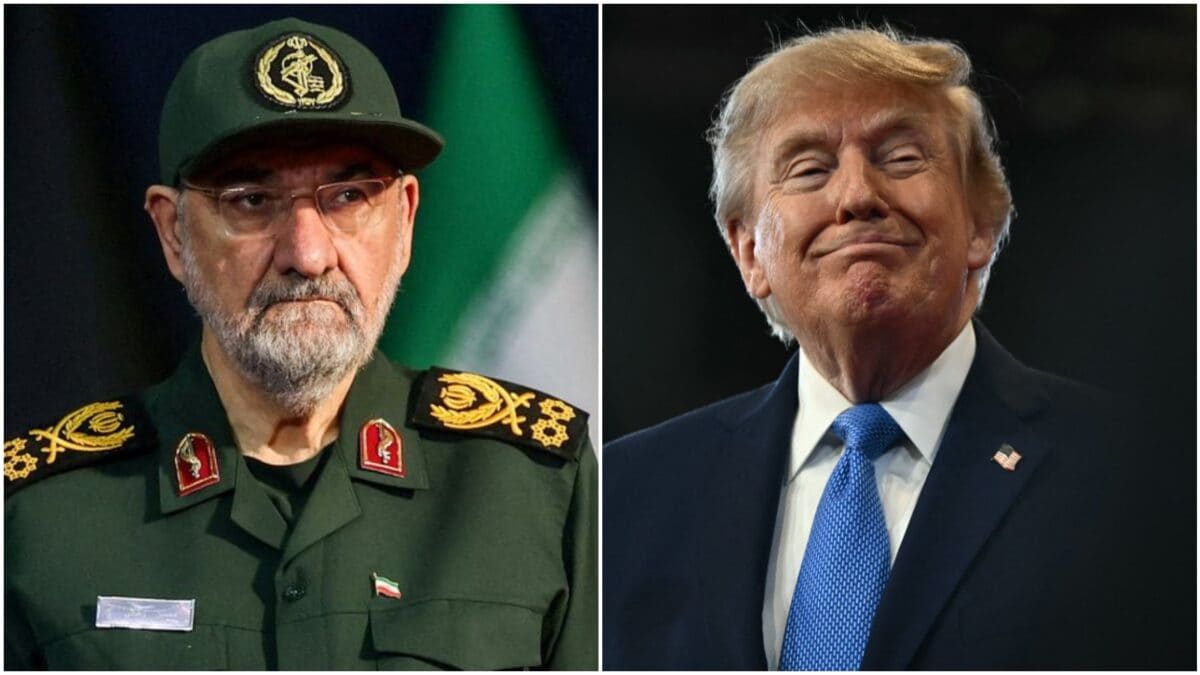
Iran Rejects Trump’s Claims of U.S. Control Over Hormuz

Trump Says He May Declare Strait Of Hormuz US Territory
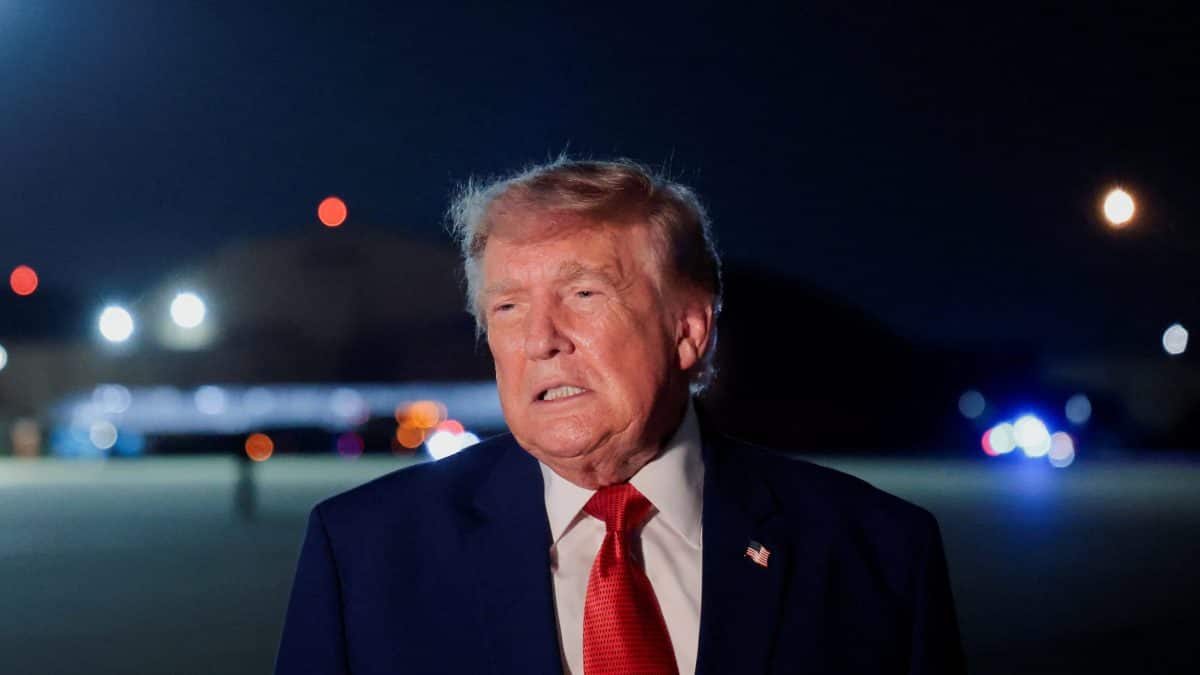
Trump Says He'll Soon Declare Strait Of Hormuz US Territory
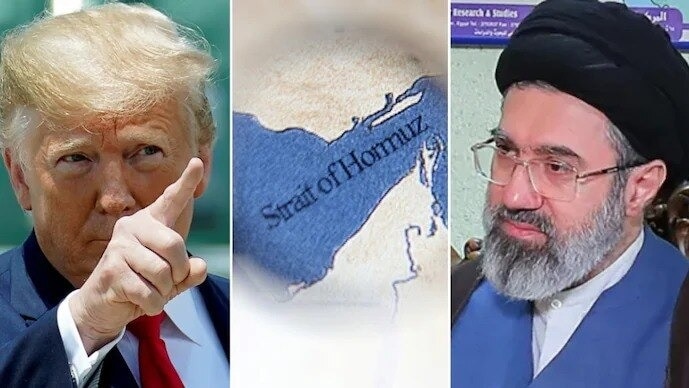
Iran, US Clash Over Control of Strait of Hormuz
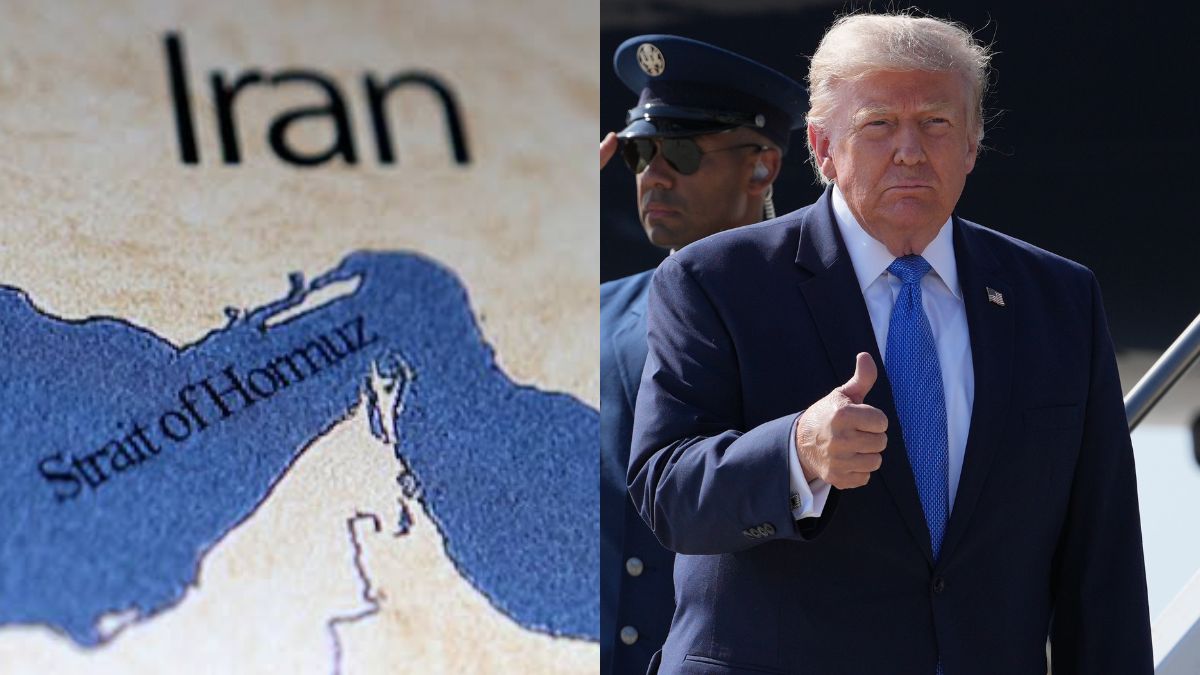
Trump vows to declare Strait of Hormuz US territory

Saudi Arabia Says Iranian Tanker Attack Killed Two Sailors
U.S.-Iran Exchange Escalates Across Middle East, Markets Slide
Trump Aides Seek Quiet Iran War Before Midterm Elections
US Warns Middle East Travelers Amid Escalating Iran-Linked Tensions

Indian Stocks Slide as Oil, Conflict and Yields Rise