9 hrs ago
UPSC Practice Examines Urbanisation, Migration and India’s Demographic Dividend

This UPSC practice set discusses two important changes happening in the world.
First, Indian cities are growing quickly, which creates more traffic, construction dust, air pollution and garbage.
Poor waste collection can cause rubbish to pile up or be burned, creating more pollution.
Cities need better public transport, dust control, waste systems and protected green spaces.
Second, many richer countries have fewer young workers and more elderly people.
India has a large young population that could work in those countries.
To benefit, Indian workers need skills, language abilities and safe legal pathways to migrate.
India must also create enough jobs at home so its young population becomes an advantage rather than a problem.

The practice set asks how rapid urbanisation is worsening air pollution, road dust and waste problems in Indian cities.
Urban growth has expanded built-up areas, traffic, construction activity and pressure on green spaces and municipal infrastructure.
Road dust, vehicle emissions, construction, industrial discharge and biomass burning are identified as major urban pollution sources.
Ageing economies face labour shortages while India has more than 450 million people aged 18 to 35.
The article highlights skill development, safe migration, worker protection and job creation as necessary to convert India’s demographic advantage into long-term gains.
- Who
- UPSC aspirants, Indian cities, India’s young workforce and ageing economies are the main subjects.
- What
- The article presents two GS1 answer-writing questions and supporting points on urban environmental stress and changing global migration patterns.
- Where
- The discussion covers Indian cities including Delhi, Lucknow, Mumbai and Gurugram, as well as international labour markets and ageing economies.
- When
- The practice set is identified as Week 171 and refers to the August 2026 UPSC Essentials magazine.
- Why
- It is intended to help civil-services candidates understand current developments related to urbanisation, population, migration and human-resource distribution.
Key facts
- Practice theme
- UPSC Civil Services Mains GS1 answer writing
- Urban issue
- Rapid urbanisation is linked to air pollution, road dust and waste generation.
- Pollution sources
- Vehicle emissions, road dust, construction, industrial discharge and biomass burning.
- Youth population
- India has more than 450 million people aged 18 to 35, according to the article.
- Remittances
- Indian workers’ remittances totalled $110.47 billion in fiscal year 2025-26.
- Migration approach
- India has prioritised safe, orderly and legal migration and signed Migration and Mobility Partnership Agreements with several countries.
- Proposed response
- The article recommends integrated urban planning, skill development, worker safety, sustainable mobility and stronger waste management.
Sources
Related news

Mumbai Went Vertical as DLF Urged Smarter Cities Before 2047

World Photography Day Images Show India In Transition

Satya Niketan Collapse Spurs Calls for Structural Safety Audits
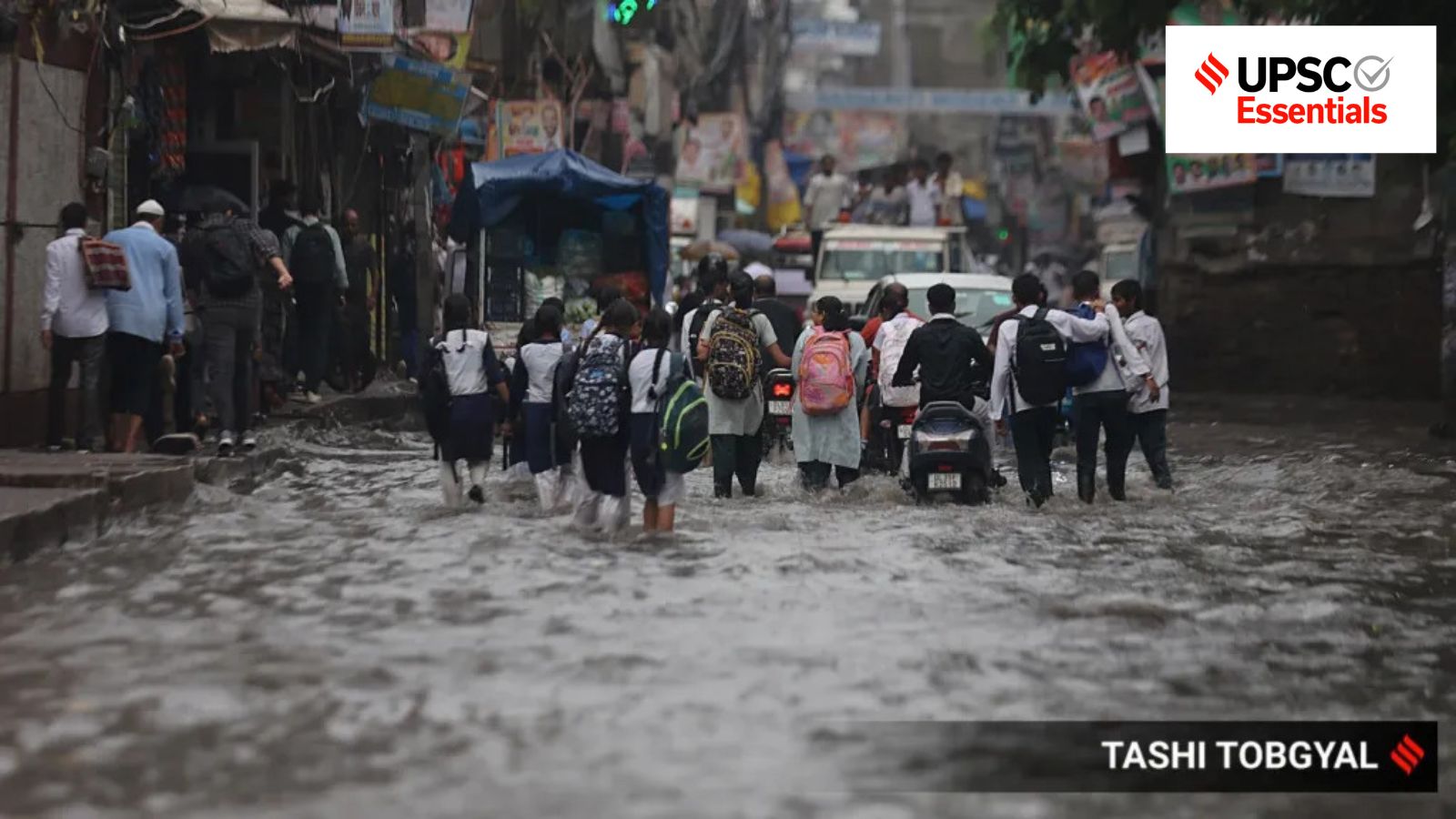
Climate-Resilient Urban Planning Could Make India’s Cities Safer

Gulzar’s Mumbai, Solar Science, Sport and Everyday Culture

Delhi’s Fourth Master Plan Seeks Growth Without Repeating Past Mistakes

Dropped Licence Helps Delhi Police Build Minor Rape-Murder Case

IAA Sets Gurugram Roundtable on Inclusive Advertising for September

Thales Positions Itself for India’s Booming Aviation Growth

Ricky Kej Announces Damrooh Tour With Global Indian Artists