

4 days ago
Gulzar’s Mumbai, Solar Science, Sport and Everyday Culture

This edition of Mint Lounge looks at cities, science, sport, films, games and food.
Poet and writer Gulzar talks about how Mumbai shaped his life and creativity.
He remembers young writers riding trams so they could discuss ideas without interruption.
The edition also visits an old solar observatory in Kodaikanal that still studies the sun.
A documentary about Novak Djokovic is recommended as the US Open begins.
A film review says Toxic tries to shock viewers but does not go far enough to be truly challenging.
Another article explains that cloud gaming can let people play across many devices.
It also says traditional Indian foods may support gut health without relying only on modern wellness products.

Gulzar describes Mumbai as both a creative partner and a commercially driven city that shaped his life and work.
The 127-year-old Kodaikanal Solar Observatory continues contributing to research about the sun and the universe.
With the US Open beginning, a documentary follows Novak Djokovic as he pursues a 25th major title.
Uday Bhatia’s review calls Toxic lurid and brash, but says its attempted transgression is neither genuinely subversive nor shocking.
The roundup recommends cloud gaming through ONMO+ Smart Console and traditional Indian gut-health foods such as kanji, chaas and dahi.
- Who
- Gulzar, the Kodaikanal Solar Observatory researchers, Novak Djokovic, the creators of Toxic, cloud-gaming providers and advocates of traditional Indian foods are featured.
- What
- The edition explores Mumbai and urban life, solar research, tennis, a film review, cloud gaming and Indian gut-health traditions.
- Where
- The lead discussion centers on Mumbai, while the science report comes from Kodaikanal, India.
- When
- The cover is dated 29 August 2026; the US Open is described as beginning that weekend.
- Why
- The stories examine how places, institutions, technology and longstanding cultural practices continue to shape modern life.
Modern Mobility and Wellness
Place and Tradition Still Matter
Importance of cities
Modern Mobility and Wellness
Hybrid work and constant connectivity allow people to live, work and study across different locations, making place seem less important.
Place and Tradition Still Matter
The article cites data showing that talent, innovation, money and opportunity remain concentrated in cities, which continue to shape people’s lives.
Gut-health products
Modern Mobility and Wellness
Kombucha, kefir, sauerkraut, probiotic powders and microbiome-focused snacks have become popular packaged wellness solutions.
Place and Tradition Still Matter
Traditional Indian foods such as kanji, chaas, dahi, fermented batters, pickles and soaked grains provided similar gut-health traditions before modern wellness terminology became popular.
Key facts
- Featured writer
- Gulzar, now 92, discusses his life and relationship with Mumbai.
- Mumbai theme
- The city is portrayed as both a space of freedom and creativity and a place strongly shaped by commerce.
- Solar observatory
- The Kodaikanal Solar Observatory is described as 127 years old and the oldest continuously working observatory of its kind in the world.
- Tennis focus
- Novak Djokovic is pursuing his 25th major title as the US Open begins.
- Cloud gaming
- ONMO+ Smart Console includes a controller and access to cloud gaming through a web browser or app.
- Cloud-gaming examples
- The article names Microsoft’s Xbox Cloud Gaming, Nvidia’s GeForce NOW and JioGames Cloud as services in the market.
- Traditional gut foods
- Kanji, chaas, dahi, batters, pickles and overnight-soaked rice and lentils are presented as longstanding Indian gut-health traditions.
Quotes

Edward Glaeser
Urban expert and economist cited in the article’s discussion of cities
“free ourselves from our tendency to see cities as their buildings, and remember that the real city is made of flesh, not concrete”
 livemint.com
Sources
Related news

Gulzar Recalls Mumbai’s Irani Hotels as Shared Water Spaces

World Photography Day Images Show India In Transition

Gulzar’s Punjabi Heritage Shapes His Poetry and Film Lyrics
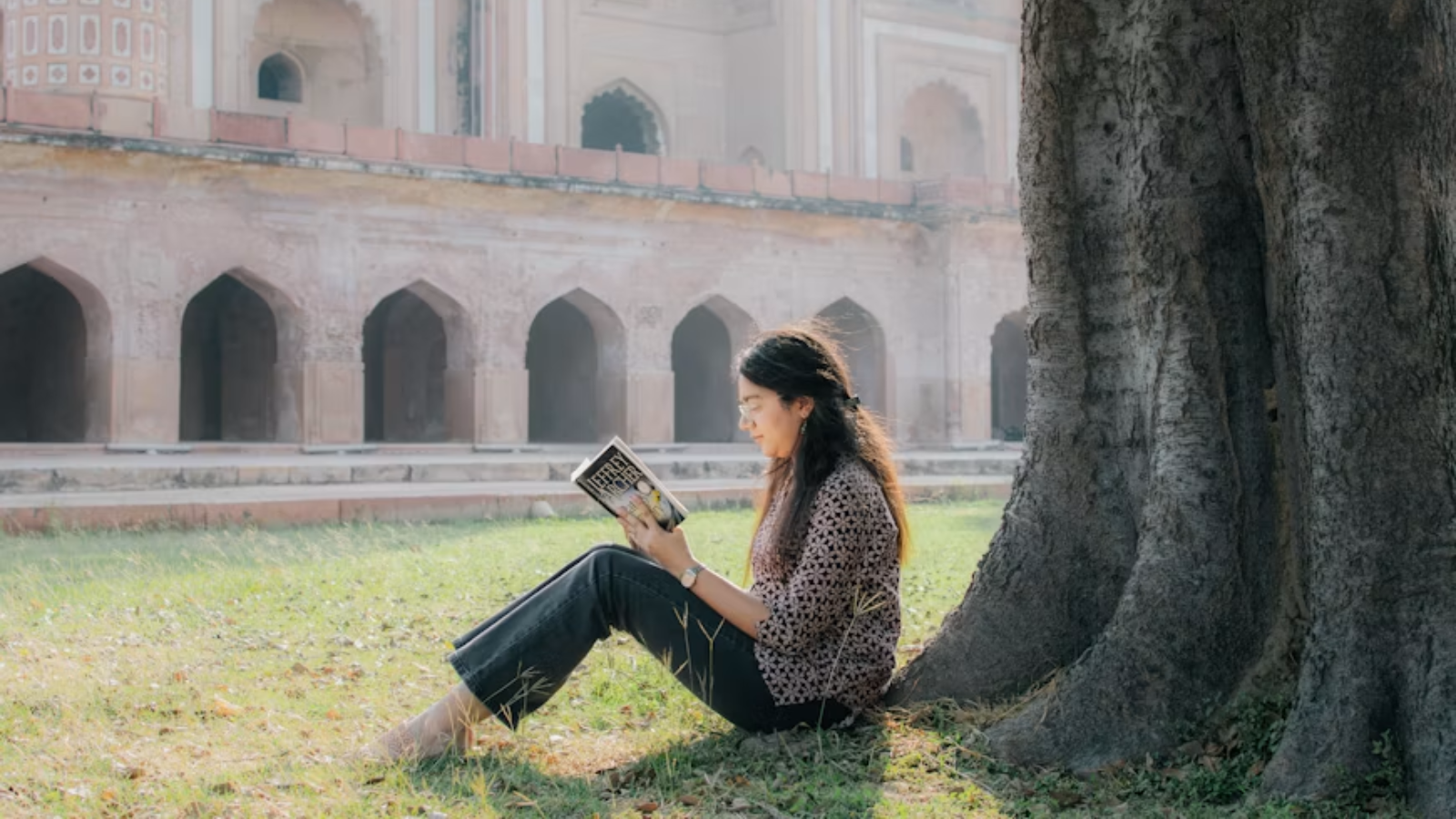
India’s Literary Cities Invite Travelers Into Centuries Of Stories

Mumbai Beats London and Miami to Join Workcation Hotlist
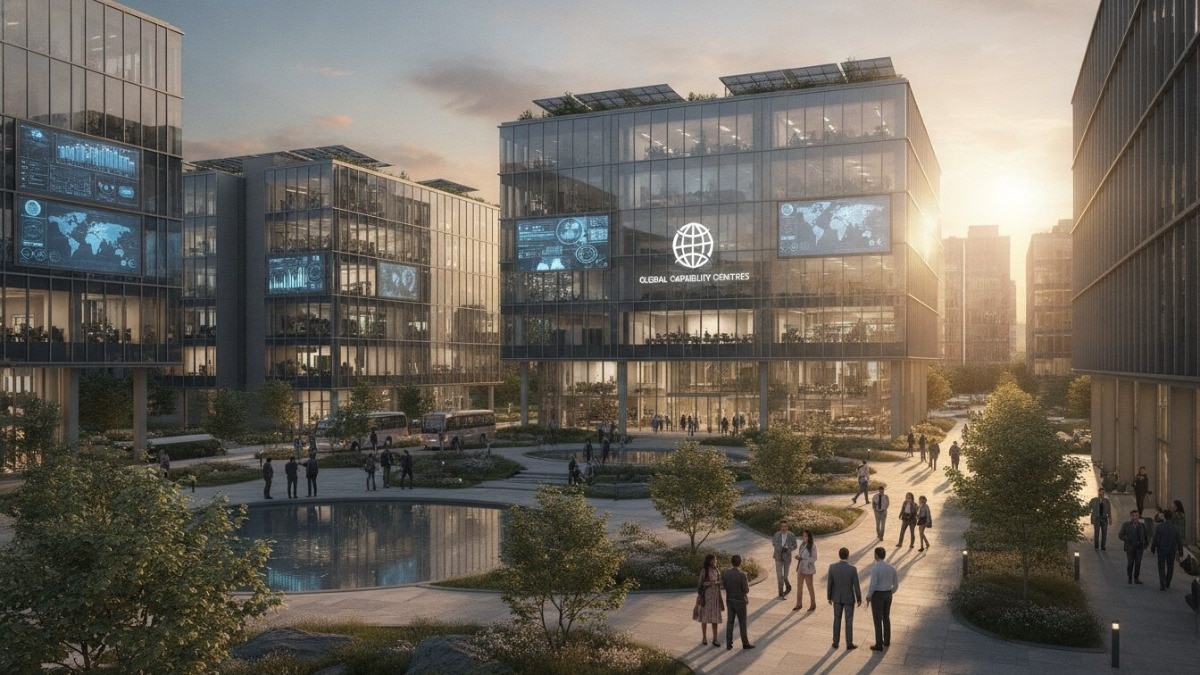
India’s Next GCC Wave Tests Mohali, UP and Bengaluru

Modi Highlights India’s Growing Avocado Market and Farmer Gains
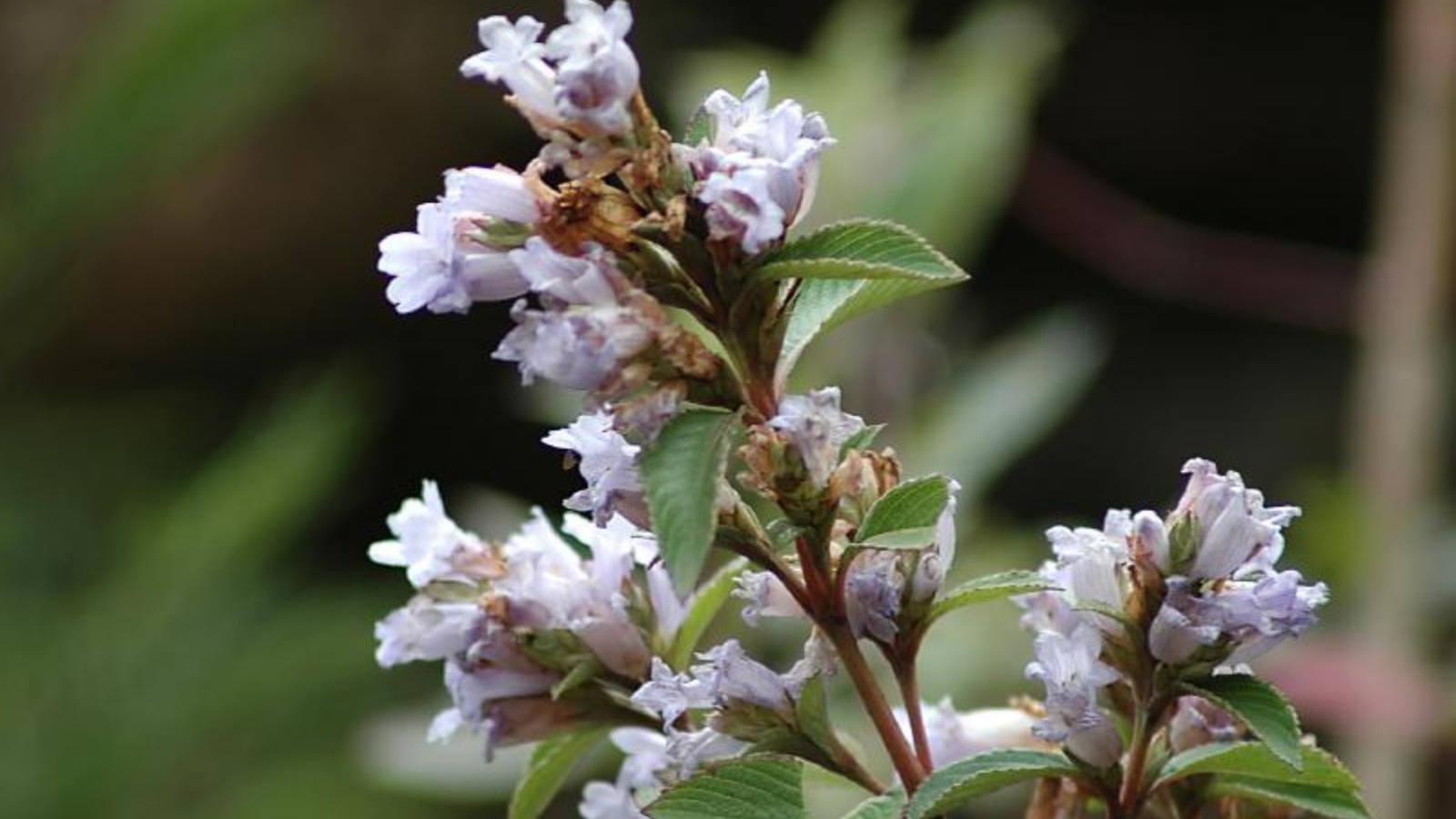
Munnar and India’s Top Neelakurinji Flower Destinations
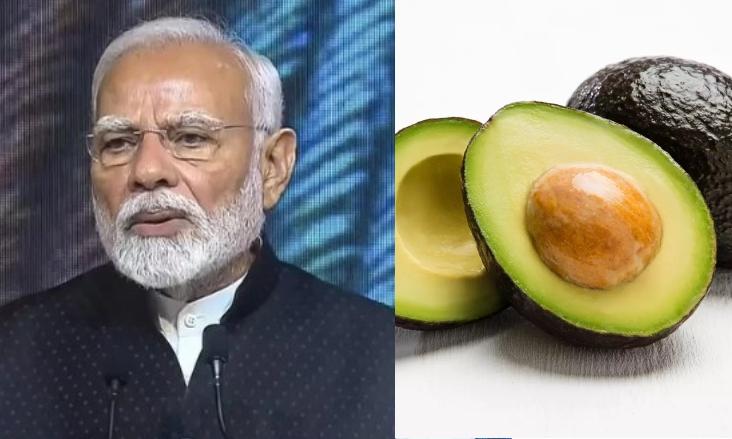
Modi Highlights Avocado Farming and New Farmer Incomes
Inside Vijay’s Jana Nayagan’s 120-Day, Destructive Democracy Town Set
