1 week ago
Delhi Bar Council Requires Social-Media Affidavits From New Enrollees
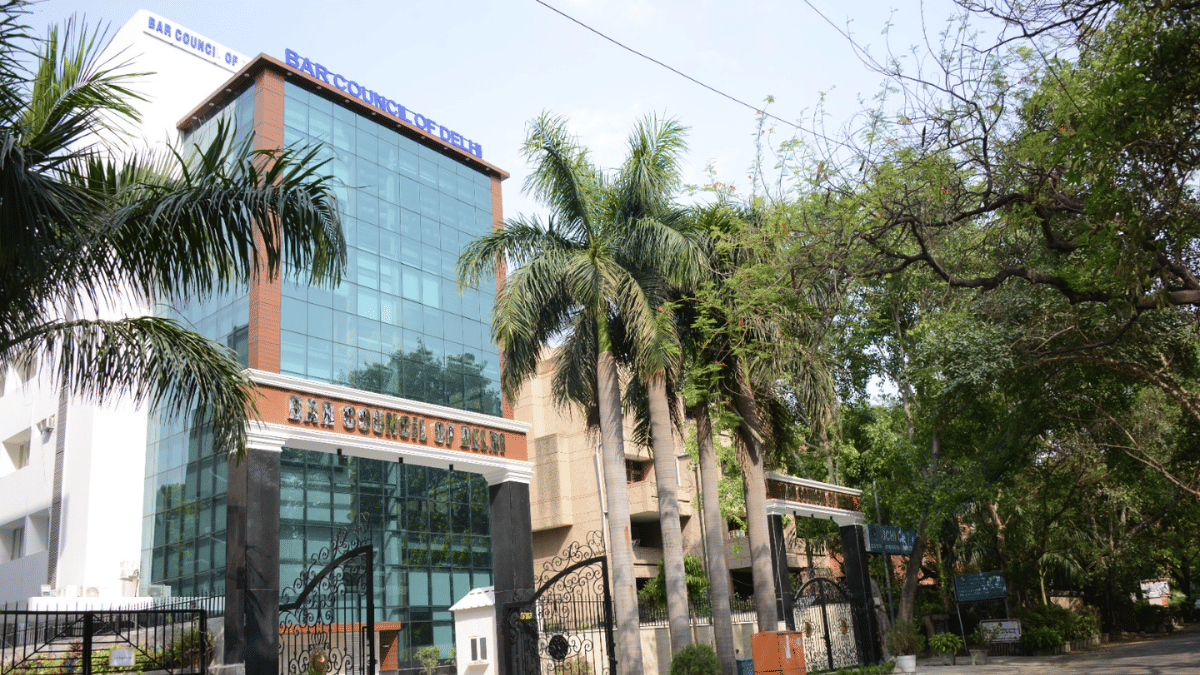
The Delhi Bar Council has created a new rule for people who want to become advocates.
They must promise to use social media responsibly.
This promise must be written in an affidavit and submitted with their enrollment papers.
It must be prepared on Rs 50 stamp paper and officially witnessed.
The rules cover videos, court recordings, advertising, artificial intelligence, deepfakes, and private client information.
They also prohibit attention-grabbing claims such as “guaranteed bail.”
The Bar Council of India says the rules focus on professional behavior, not ordinary personal life.
Lawyers who are already enrolled do not have to submit a new affidavit, but they should be informed about the standards.

New advocates, law students, and interns enrolling with the Delhi Bar Council must submit an affidavit on social-media conduct.
The affidavit must accompany the enrollment form, use Rs 50 stamp paper, and be attested by a notary public or oath commissioner.
The requirements cover reels, short videos, court premises, proceedings, chambers, hearings, live streams, professional work, AI-generated content, deepfakes, and cloned audio.
The Bar Council of India’s July guidelines prohibit promotional court content, clickbait claims such as “guaranteed bail,” and misuse of AI or client information.
Existing advocates do not need a fresh affidavit under the BCI guidance, but State Bar Councils must educate them about the standards.
- Who
- Advocates, law students, and interns seeking enrollment with the Bar Council of Delhi.
- What
- They must submit an affidavit promising dignity, restraint, and professional ethics in social-media use.
- Where
- Delhi, through the Bar Council of Delhi.
- When
- The Delhi order was signed on 20 August; the Bar Council of India issued related guidelines in July.
- Why
- To enforce digital ethics and prevent professional misconduct involving social media, court content, AI, and client confidentiality.
Professional accountability
Personal and lawful expression
Scope of social-media rules
Professional accountability
The Bar Council of India says formal standards are needed to prevent misleading promotion, misuse of confidential information, and inappropriate court-related content.
Personal and lawful expression
The BCI says the guidelines are not intended to police ordinary personal lives or lawful, non-sensational criticism.
Key facts
- Affidavit requirement
- Must be submitted with the advocate enrollment form.
- Stamp paper
- The affidavit must be made on a Rs 50 stamp paper.
- Attestation
- It must be attested by a notary public or oath commissioner.
- Covered conduct
- Rules address reels, short videos, court premises and proceedings, chambers, hearings, livestreams, professional work, AI-generated content, deepfakes, cloned audio, and synthetic digital content.
- Prohibited examples
- The BCI guidelines prohibit promotional content inside courts, clickbait such as “guaranteed bail,” and misuse of AI or client confidentiality.
- Existing advocates
- Currently enrolled advocates do not need to file a fresh affidavit under the BCI guidance, but State Bar Councils must educate them about the standards.
- Legal framework
- The Bar Council of Delhi operates under the Advocates Act of 1961 and handles enrollment, professional conduct, discipline, and welfare schemes.
Sources
Related news

Odisha Bar Council Notices Three Advocates Over Social Media Promotion

Bar Council lifts NALSAR 2026 enrolment freeze after uproar
Bar Council withdraws NALSAR enrolment freeze after CJI criticism
Justice Nagarathna Urges Bar Councils to Rebuild Professional Trust
Bar Council of India Extends Law College Approval Renewal Deadline
Bar Council Halts, Then Lifts NALSAR Graduate Enrolment Ban
Delhi High Court Quashes Defamation Case Against Pinaki Misra

Bar Council of Delhi issues voter guidelines for February polls
Bar Council of Delhi Sets Voter Eligibility for 2026 Elections

160 FIRs in 2 years over fake law degrees