

1 week ago
Haryana EV Tax Waiver Offers Full Relief To ₹30 Lakh

Haryana has started a new tax discount for electric vehicles.
The policy began on August 21, 2026.
New electric vehicles costing up to ₹30 lakh do not have to pay motor vehicle tax.
More expensive electric vehicles receive half of the tax waived.
The vehicle must be bought and registered in Haryana to qualify.
Electric vehicles bought in another state are not covered.
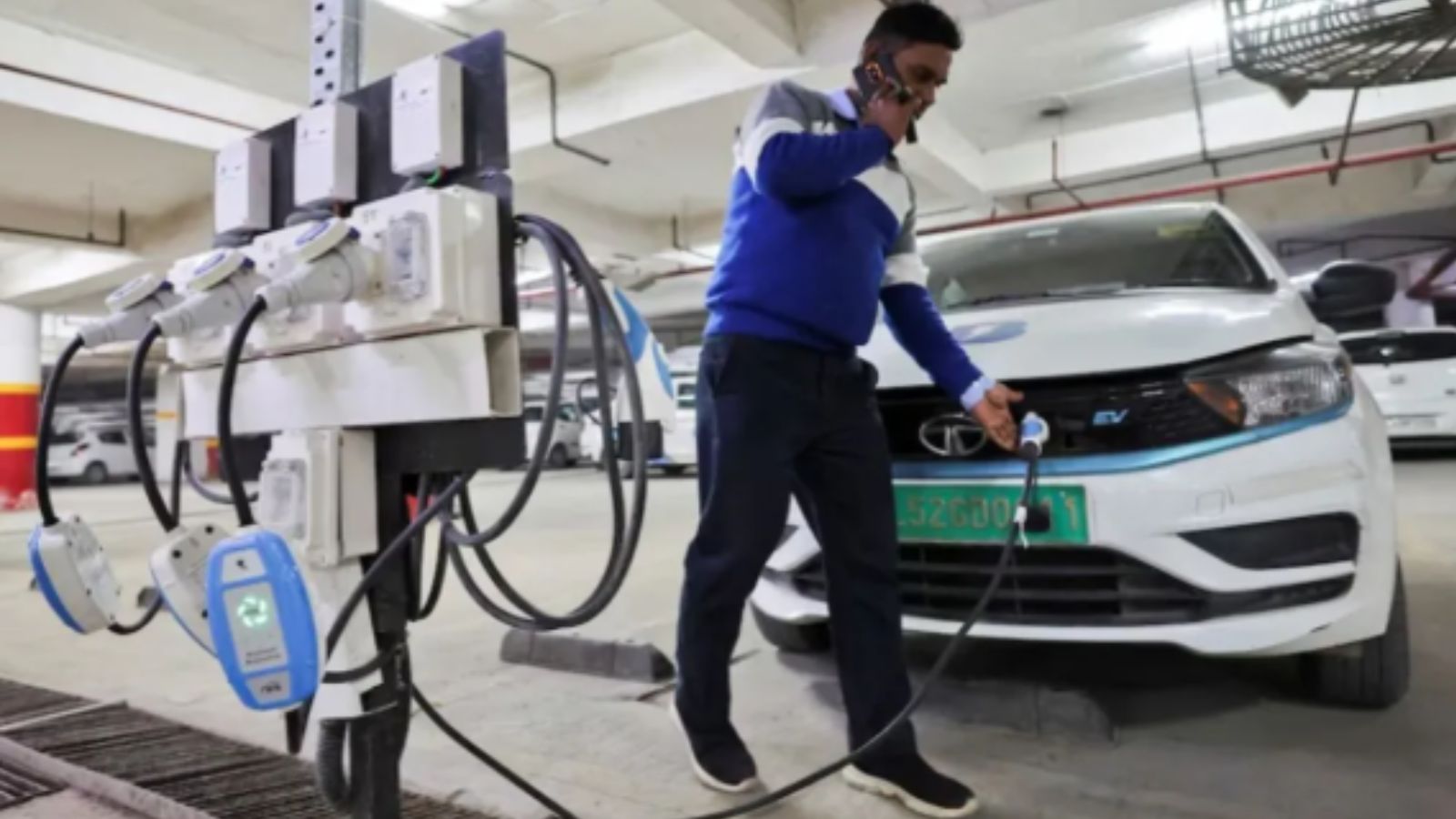
Scooters, auto-rickshaws, e-rickshaws and electric cars can receive the benefit.
The first vehicles under the policy were registered in Gurugram and Badshahpur.
Haryana also reported about 1.69 lakh EV registrations in financial year 2025-26, with e-rickshaws forming 48.4% of them.
The measure is intended to make cleaner transportation more affordable and reduce pollution.

Haryana’s EV motor vehicle tax exemption policy took effect on August 21, 2026.
New battery-operated EVs priced up to ₹30 lakh ex-showroom receive a 100% motor vehicle tax exemption.
EVs priced above ₹30 lakh receive a 50% exemption under the policy.
The benefit applies to eligible two-, three- and four-wheelers purchased and registered in Haryana, but not vehicles bought in other states.
The first covered vehicles were registered in Gurugram and Badshahpur, as Haryana reported about 1.69 lakh EV registrations in financial year 2025-26.
E-rickshaws accounted for 48.4% of Haryana’s reported EV registrations, alongside scooters and cars.
Delhi-NCR will begin restricting new fossil-fuel light goods vehicle registrations in phases from January 1, 2027.
- Who
- The Haryana government and buyers of eligible new battery-operated electric vehicles.
- What
- A policy providing full or partial motor vehicle tax exemptions for eligible EVs.
- Where
- Haryana, initially in the Gurugram and Badshahpur sub-divisions of Gurugram district.
- When
- The policy took effect on August 21, 2026; the first covered vehicles were registered on Tuesday.
- Why
- To reduce consumers’ upfront costs, encourage electric mobility and help reduce vehicular pollution.
Key facts
- Policy effective date
- August 21, 2026
- Full exemption
- 100% motor vehicle tax exemption for new battery-operated EVs priced up to ₹30 lakh ex-showroom
- Partial exemption
- 50% motor vehicle tax exemption for EVs priced above ₹30 lakh ex-showroom
- Eligible vehicles
- Eligible electric two-, three- and four-wheelers, including scooters, auto-rickshaws, e-rickshaws and electric cars
- State requirement
- Vehicles must be purchased and registered in Haryana; EVs bought outside the state do not qualify
- EV registrations
- About 1.69 lakh electric vehicles were registered in Haryana in financial year 2025-26
- NCR restrictions
- Delhi’s new fossil-fuel N1 light goods vehicle registration restrictions begin January 1, 2027, followed by several NCR districts from July 1, 2027
Sources

Related news
Hyderabad Set to Receive 2,200 More Electric Buses

Delhi's New EV Policy to Phase Out Petrol Vehicle Registrations
PARIVARTAN Scheme Offers Incentives for Cleaner Commercial Vehicles

Delhi Bans New Non-Electric Goods Vehicles From 2027

Congress Questions Haryana’s Falling Sex Ratio Despite Beti Bachao
Haryana Says Ayushman Bharat Health Services Continue Despite IMA Call

Private Hospitals Flag Ayushman Bharat Payment Delays and Claim Deductions

Haryana Records Highest SGST Growth Among States in 2026-27
Haryana sanitation workers’ strike puts BJP government under pressure
