2 weeks ago
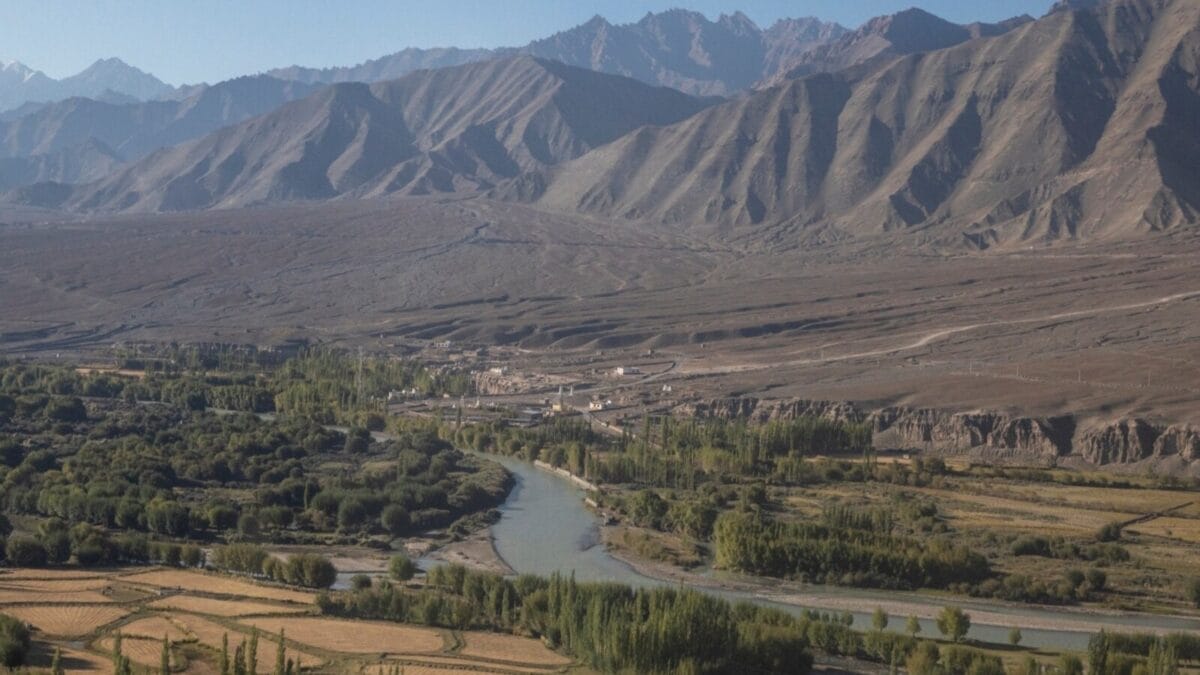
Rayalaseema Oilseed Cultivation Shrinks Sharply Amid Rainfall Deficit

Farmers in a part of India called Rayalaseema grow plants that give us cooking oil, like groundnuts.
This year, not enough rain fell, and there was not enough water for the plants.
So farmers planted many fewer of these oil plants than last year.
The amount of land planted with oil plants dropped from about 25,000 acres to 10,000 acres.
Because there were fewer plants, much less oilseed was made this year.
This made edible oil more expensive, which is hard for families and farmers.
Some other foods, like vegetables, rice and fruits, actually grew more this year.
Experts worry that farmers will plant even fewer oilseed crops next year unless the rain improves.
They hope the rain gets better so the farmers can grow their crops again.

Oilseed cultivation acreage in Rayalaseema fell from about 25,000 acres to just 10,000 acres this season due to deficient rainfall and poor irrigation availability.
Andhra Pradesh recorded a 51.8 per cent rainfall deficit during June and July, and cropped area dependent on borewells and tanks declined by nearly 80 per cent in several areas.
Oilseed production fell 15.7 per cent to 2,43,925 tonnes, while chilli, black pepper and turmeric output declined 17.9 per cent to 11,86,983 tonnes.
Several sectors grew: food grain production rose 39.8 per cent, vegetables 44.8 per cent, oil palm 36.8 per cent and other spices 304.6 per cent.
The State Economic Board warned oilseed acreage could fall further to around 6,000 acres next season, and national kharif sowing was 4.7 per cent lower than last year as of August.
- Who
- Farmers in the Rayalaseema region of Andhra Pradesh, including turmeric farmer M. Pullareddy of Mydukur, along with state officials and agriculture experts.
- What
- Oilseed cultivation shrunk sharply, with acreage falling from about 25,000 acres to 10,000 acres and oilseed production declining 15.7 per cent.
- Where
- The Rayalaseema region of Andhra Pradesh, India, including districts such as Nandyal and areas like Mydukur.
- When
- During the current kharif season; Andhra Pradesh recorded its 51.8 per cent rainfall deficit in June and July, with national sowing data reported as of August.
- Why
- Deficient rainfall, poor irrigation availability, and heavy reliance on borewells and tanks severely affected crop sowing and establishment.
Key facts
- Oilseed acreage (Rayalaseema)
- About 10,000 acres, down from about 25,000 acres
- Oilseed production (kharif)
- 2,43,925 tonnes, down 15.7%
- Rainfall deficit (Andhra Pradesh, June-July)
- 51.8%
- Borewell/tank-dependent area decline
- Nearly 80% in several areas
- Food grain production (kharif)
- 1,23,23,129 tonnes, up 39.8%
- Vegetable production
- 27,67,462 tonnes, up 44.8%
- National kharif sowing (as of August)
- 4.7% lower than last year
- Projected oilseed acreage (next season)
- Around 6,000 acres if situation does not improve
Quotes
C. Lakshminarayana
Retired agriculture official, Andhra Pradesh
“The fall in oilseed production directly affects farmers’ income. It can also have a bearing on exports and, ultimately, on the State’s agricultural contribution to the GDP.”
 deccanchronicle.com
“The turmeric crop has fallen drastically this year. After meeting the cultivation expenses, hardly anything was left for us. I have never seen such a situation in the past.”
deccanchronicle.com
Sources
Related news
Rayalaseema heat wave hurts vegetable, horticultural crops
Telangana Farmers Sow 10% More Area Despite El Nino Fears
India's Kharif Sowing Deficit Narrows, Uneven Rains Threaten Yields
Dry Spell Threatens Cotton Yields Across Karimnagar District
Rayalaseema Farmers Hit as Tomato, Sweet Lime Prices Crash

Experts Urge Clean, Diverse Data for More Reliable AI

Bombay High Court Says Child Welfare Outweighs Joint Parenting Rights

TIRUPEX-2026 Highlights India’s Postal Heritage in Tirupati

Readers propose stronger, wider, more resilient Indian GCC growth

India’s GDP Paradox: Strong Growth, Uneven Economic Reality