2 weeks ago
Rayalaseema heat wave hurts vegetable, horticultural crops
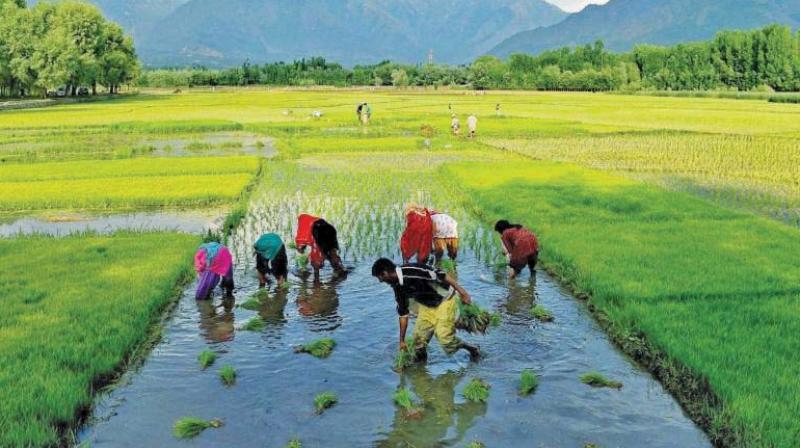
It is usually a bit cooler and rainy in August in a place called Rayalaseema, but this year it is very hot, like the middle of summer.
The daytime temperature is around 38°C, and this hot weather has lasted for about two weeks.
It has not rained enough, and scientists say a weather pattern called El Nino is the reason.
Because of the heat and lack of rain, the soil is dry, and plants do not have enough water.
Farmers are worried about their vegetable crops like tomatoes, okra, brinjal and cluster beans.
Many of these plants have not grown well and have produced fewer vegetables.
Some farmers, like one growing tomatoes in YSR Kadapa district, have lost most of their crop.
Even spraying medicines on plants has not helped because the heat itself is the problem.
The hot weather might continue for a few more weeks, which could make things harder for farmers.

Rayalaseema daytime temperatures have averaged around 38°C for nearly two weeks, resembling peak summer in August.
Inadequate rainfall, attributed largely to the El Nino effect, has intensified heat and humidity while reducing cloud cover and soil moisture.
Vegetable crops such as tomato, okra, brinjal and cluster bean have suffered poor flowering, fruit setting and reduced yields.
Farmers in Kurnool, Nandyal and YSR Kadapa districts reported major crop losses, including tomato and brinjal.
Scientists warned the unusual heat could continue through August and possibly into September.
- Who
- Farmers and scientists in Rayalaseema, including K. Ashok Kumar of the Regional Agricultural Research Station (RARS) and farmers G. Venkateswara Reddy and P. Beerappa.
- What
- Unusually high temperatures and inadequate rainfall are damaging vegetable and horticultural crops across Rayalaseema.
- Where
- Rayalaseema region of Andhra Pradesh, including Kurnool, Nandyal and YSR Kadapa districts.
- When
- August, with the heat lasting nearly two weeks and possibly continuing into September.
- Why
- The El Nino effect has brought insufficient rainfall, reduced cloud cover and declining soil moisture, intensifying heat stress on crops.
Key facts
- Daytime temperature
- Around 38°C, nearly two weeks
- Normal August-September temperature
- Below 35°C
- Cause
- El Nino effect, inadequate rainfall
- Affected crops
- Tomato, okra, brinjal, cluster bean and other horticultural crops
- Affected districts
- Kurnool, Nandyal, YSR Kadapa
- Reported impact
- Poor flowering, fruit setting, reduced yields, severe crop damage
- Outlook
- Heat could continue through August and possibly into September
Quotes
G. Venkateswara Reddy
Farmer from K. Appayapalle village, Kamalapuram mandal, YSR Kadapa district
“Soil moisture has declined drastically, and this is intensifying the impact of high temperatures. The absence of clouds due to the El Nino effect and the continuous depletion of moisture from the soil are affecting not only temperatures but also crop growth.”
 deccanchronicle.com
“I sprayed medicines several times, but there was no improvement. Agriculture officials told us that the high temperatures were responsible for the poor crop performance.”
deccanchronicle.com
Sources
Related news

El Niño May Bring Hot, Humid Weather to Telangana
Dry Spell Threatens Cotton Yields Across Karimnagar District

El Niño Leaves Andhra Pradesh With 45 Percent Rainfall Deficit

Rayalaseema Oilseed Cultivation Shrinks Sharply Amid Rainfall Deficit

Telangana Officials Unite to Protect Farmers Amid El Niño Threat
Super El Niño May Bring India Drier, More Dangerous Monsoons

El Nino Raises Drought Risk in Andhra Pradesh, Minister Warns

Indonesian Fires Trigger Regional Haze Alerts, School Closures
Grand Canyon Flash Flood Kills Two, Leaves More Missing