

2 hrs ago
Iran Rejects Rubio’s Claim Houthis Are Iranian Proxies
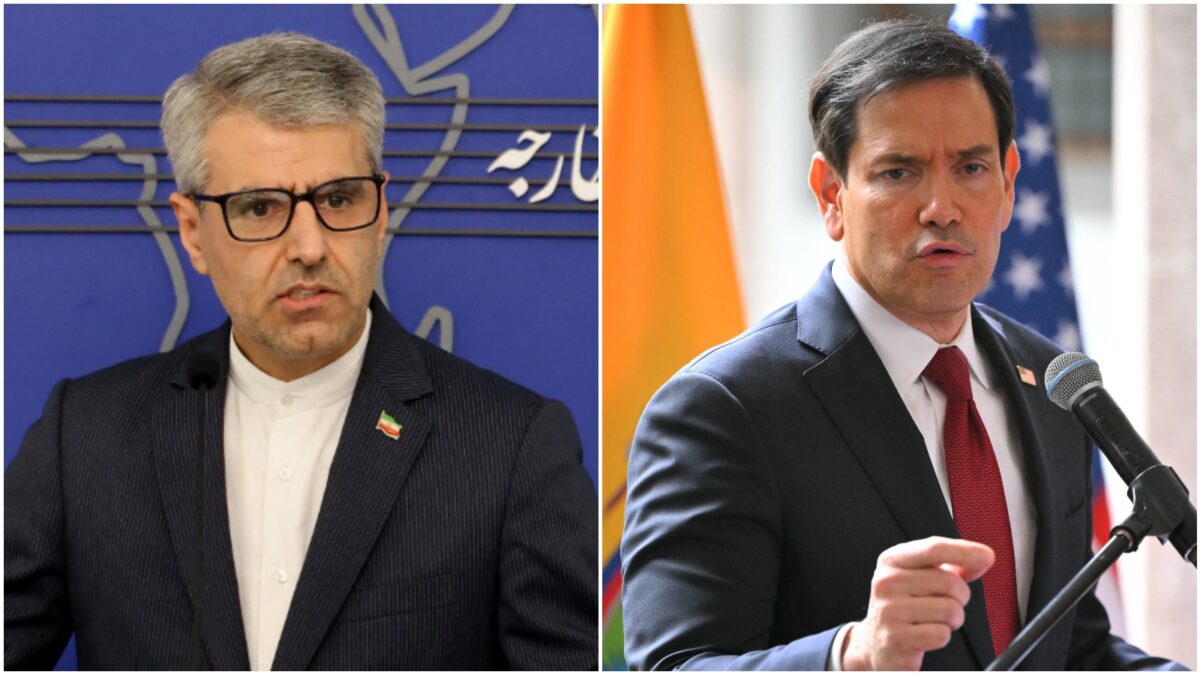
Iran and the United States disagree about who controls Yemen’s Houthi rebels.
Iran says the Houthis make their own decisions and are not Iran’s proxies.
US Secretary of State Marco Rubio says Iran supports and directs the Houthis.
The disagreement comes during heavier fighting between the Houthis and a Saudi-led coalition.
The Houthis reported more than 50 attacks on parts of Yemen.
They also launched missiles and drones at Saudi Arabia, according to the report.
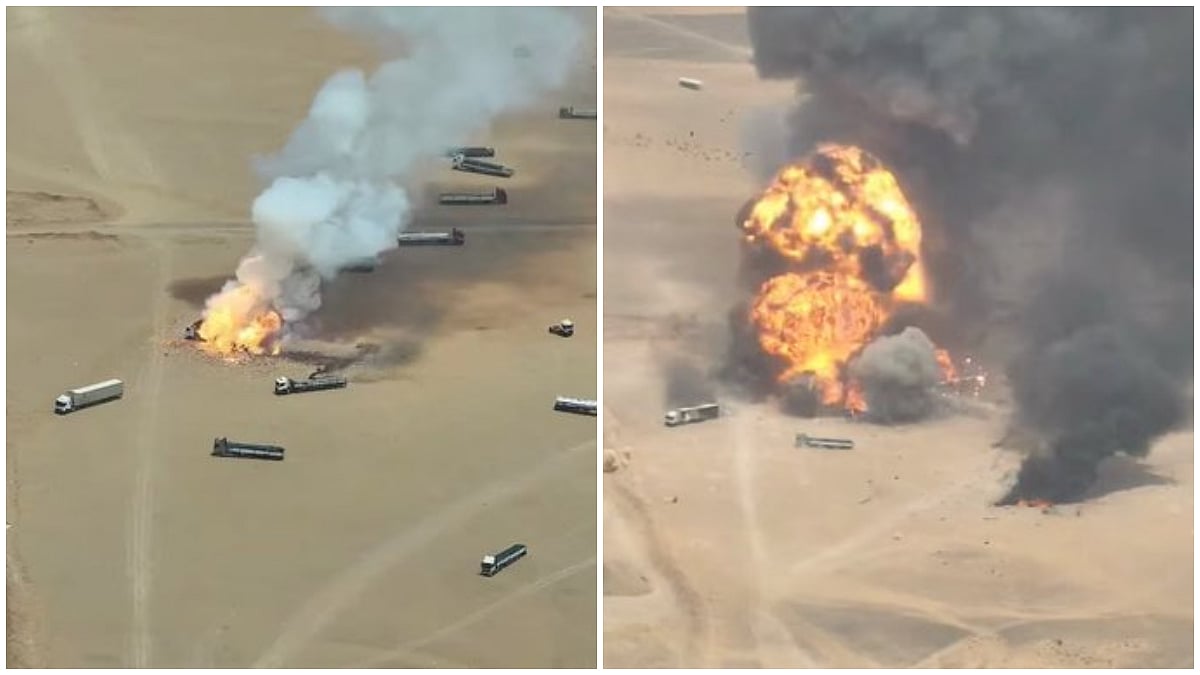
The attacks reportedly damaged oil facilities and injured 73 people.
Iran says peace should come through negotiations rather than bombs and outside pressure.

Iranian Foreign Ministry spokesman Esmaeil Baghaei said Ansarallah is an independent Yemeni actor that takes orders from no one.
US Secretary of State Marco Rubio said the Houthis are Iranian agents and proxies, with an Iranian hand behind attacks on Saudi Arabia.
Baghaei blamed US military interventions and hegemonic policies for regional instability and called for negotiations in Yemen.
The Houthis reported more than 50 Saudi-led coalition attacks on Yemeni areas including Taiz and Hodeida on Wednesday.
Houthi missile and drone attacks on Saudi oil facilities reportedly wounded 73 people and set facilities ablaze.
- Who
- Iranian Foreign Ministry spokesman Esmaeil Baghaei, US Secretary of State Marco Rubio, the Houthis, and the Saudi-led coalition.
- What
- Iran rejected Rubio’s claim that the Houthis are Iranian agents and proxies, amid escalating Houthi-Saudi-led coalition fighting.
- Where
- The diplomatic dispute concerns Yemen and Saudi Arabia; reported fighting occurred in Yemeni areas including Taiz and Hodeida and in southern Saudi Arabia.
- When
- The statements were exchanged on September 9, 2026, amid attacks reported on Tuesday and Wednesday.
- Why
- The disagreement centers on whether Iran directs or supports the Houthis and follows intensified missile, drone, and air attacks.
Iran’s Position
United States’ Position
Houthi independence
Iran’s Position
Iran says the Houthis, also called Ansarallah, are an independent Yemeni actor that takes orders from no one.
United States’ Position
Rubio says the Houthis are agents and proxies of Iran.
Cause of regional instability
Iran’s Position
Iran attributes instability to US military interventions and hegemonic policies and says peace in Yemen cannot be imposed through bombing or external pressure.
United States’ Position
The United States says there is clearly an Iranian hand behind the latest Houthi attacks on Saudi Arabia and is monitoring developments while supporting Saudi Arabia defensively.
Key facts
- Iran’s position
- Baghaei said Ansarallah is independent, makes its own decisions, and acts as nobody’s proxy.
- Rubio’s claim
- Rubio said the Houthis are Iranian agents and proxies and that an Iranian hand was behind attacks on Saudi Arabia.
- Reported Houthi attacks
- The Houthis carried out missile and drone attacks on Saudi Arabia, reportedly setting oil facilities ablaze.
- Reported casualties
- The reported toll from the Saudi attacks was 73 wounded.
- Yemen attacks
- The Houthis said more than 50 attacks targeted areas including Taiz and Hodeida on Wednesday.
- Iran’s proposed approach
- Baghaei called for genuine negotiations based on a roadmap agreed by the parties.
- US-Saudi relationship
- Rubio reaffirmed Washington’s very strong defensive, military relationship with Saudi Arabia.
Quotes

Esmail Baghaei
Iranian Foreign Ministry spokesman
“Marco Rubio’s lies cannot replace facts. Ansarallah is an independent Yemeni actor that makes its own decisions; it takes orders from no one and acts as nobody’s proxy.”
 news18.com
“Peace in Yemen cannot be imposed through bombs and external pressure”
news18.com

Marco Rubio
US Secretary of State
“The Houthis in many ways are agents and proxies of the Iranians. I think behind some of this is clearly the Iranian hand”
news18.com
Sources
Related news

Houthis Claim Drone Attacks on Saudi Airport, Aramco Facility

Rubio and UAE Security Chief Discuss Iran and Hormuz

Who Are the Houthis, Iran’s Allies in Yemen?
Houthis Attack Southern Saudi Cities for Second Straight Day

Rubio Informs Allies US Plans No New Strikes on Iran
Houthi Attacks on Saudi Arabia Leave 73 Injured

Iran Seeks Deeper India Trade Ties Ahead of BRICS Summit
US-Iran Conflict Widens After Strikes and Regional Retaliation
US Launches Fresh Iran Strikes Near Strait of Hormuz

Iran Threatens Retaliation as US Escalates Economic Pressure
