2 hrs ago
Who Are the Houthis, Iran’s Allies in Yemen?

The Houthis are a military, political, and religious group in Yemen.
They follow a branch of Shi’ite Islam called Zaydism.
The group took control of Yemen’s capital, Sanaa, in 2014.
Saudi Arabia fought the Houthis because it feared Iranian influence near its border.
Years of fighting caused a major humanitarian crisis.
A truce helped stop the fighting for a time, but attacks have started again.
The Houthis have fired missiles and drones at Saudi Arabia, Israel, and ships in the Red Sea.
They say attacks on ships support Palestinians during the war in Gaza.
Iran supports the Houthis, but the Houthis deny being an Iranian proxy and say they build their own weapons.

The Houthis control most of northwest Yemen after seizing Sanaa in 2014.
Saudi Arabia intervened in Yemen in 2015 to remove the Houthis and restore the government.
A United Nations-brokered 2022 truce paused fighting until renewed attacks this year.
Houthi attacks on Red Sea shipping have disrupted trade and forced ships around Africa.
The Houthis say their actions support Palestinians, while the United States says Iran arms and trains them.
- Who
- The Houthi movement, Saudi Arabia, Iran, the internationally recognized Yemeni government, and other regional and international actors.
- What
- The Houthis have renewed missile and drone attacks while maintaining control over much of northwest Yemen and disrupting Red Sea shipping.
- Where
- The conflict is centered in Yemen, with attacks affecting Saudi Arabia, the United Arab Emirates, Israel, and shipping in the Red Sea.
- When
- The movement emerged in the 1990s, seized Sanaa in 2014, faced Saudi-led intervention in 2015, and observed a United Nations-brokered truce from 2022 until renewed fighting this year.
- Why
- The Houthis cite support for Palestinians and opposition to their enemies, while Saudi Arabia has acted against what it views as Iranian influence and instability near its border.
Houthi and Iranian-aligned framing
Saudi and U.S.-backed concerns
Reason for attacks
Houthi and Iranian-aligned framing
The Houthis say their attacks on ships and Israel support Palestinians during the war in Gaza and respond to attacks on their ally Iran.
Saudi and U.S.-backed concerns
Saudi Arabia and the United States view the Houthis as a security threat linked to Iranian influence and regional escalation.
Relationship with Iran
Houthi and Iranian-aligned framing
The Houthis deny being an Iranian proxy and say they develop their own weapons; their motivations are mainly domestic.
Saudi and U.S.-backed concerns
The United States says Iran arms, funds, and trains the Houthis, with help from Hezbollah.
Yemen’s political future
Houthi and Iranian-aligned framing
The Houthis rejected the Gulf-backed political transition after Yemen’s 2011 protests and consolidated control in northern Yemen.
Saudi and U.S.-backed concerns
Saudi Arabia intervened in 2015 to dislodge the Houthis, restore the internationally recognized government, and revive the transition plan.
Key facts
- Movement origins
- The Houthis emerged in northern Yemen in the 1990s as a revival movement for the Zaydi sect of Shi’ite Islam.
- Territorial control
- The group rules over most of northwest Yemen, where most of the country’s population lives.
- Capital seized
- The Houthis captured Sanaa in 2014 and pushed the internationally recognized government toward Aden.
- Saudi intervention
- Saudi Arabia led a military intervention against the Houthis in early 2015.
- Truce
- The United Nations brokered a 2022 truce that maintained peace until renewed fighting this year.
- Shipping impact
- Houthi attacks on Red Sea shipping forced many vessels traveling between Europe and Asia to take a longer route around Africa.
- Iranian links
- The United States says Iran has armed, funded, and trained the Houthis, while the Houthis deny being an Iranian proxy.
Sources
Related news

Houthi attacks in Red Sea kill crew, target Saudi-linked ships
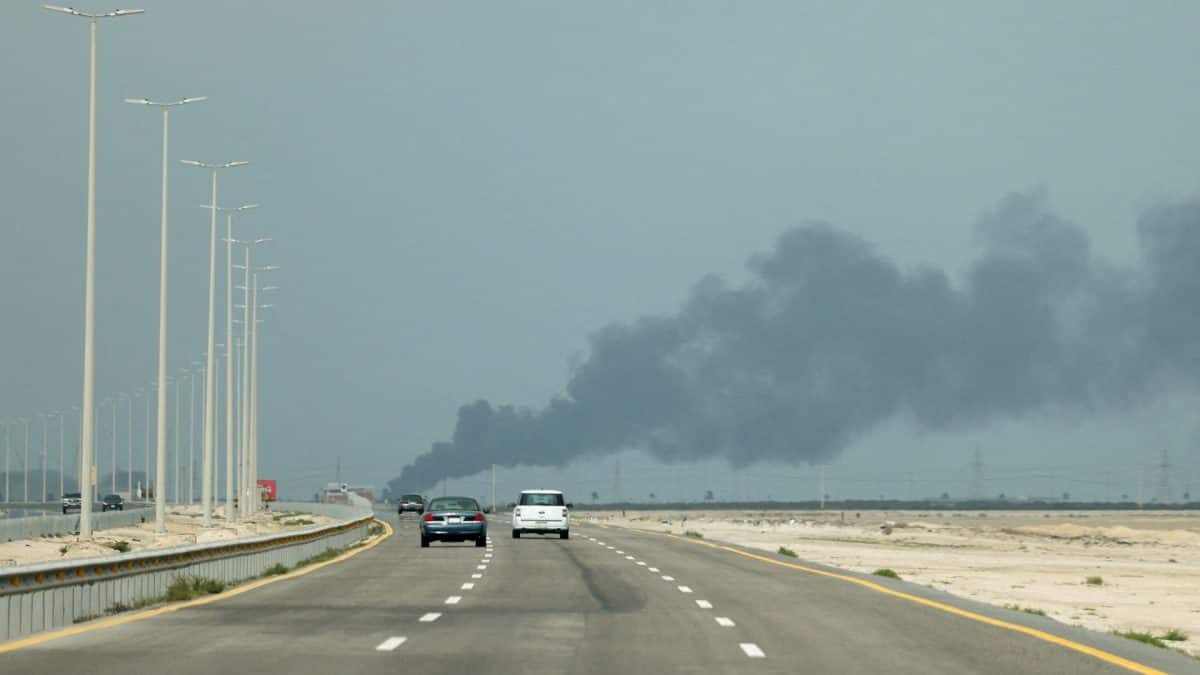
Houthis claim drone strike on Saudi Aramco refinery in Jizan
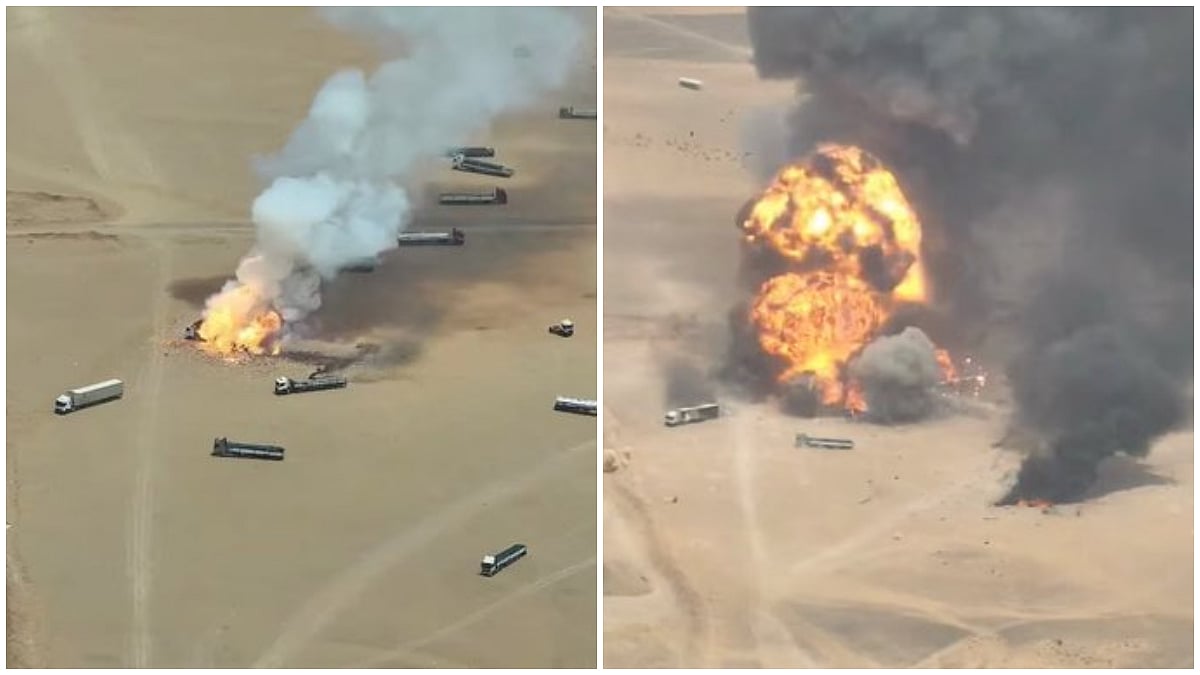
Houthi Attacks on Saudi Arabia Leave 73 Injured
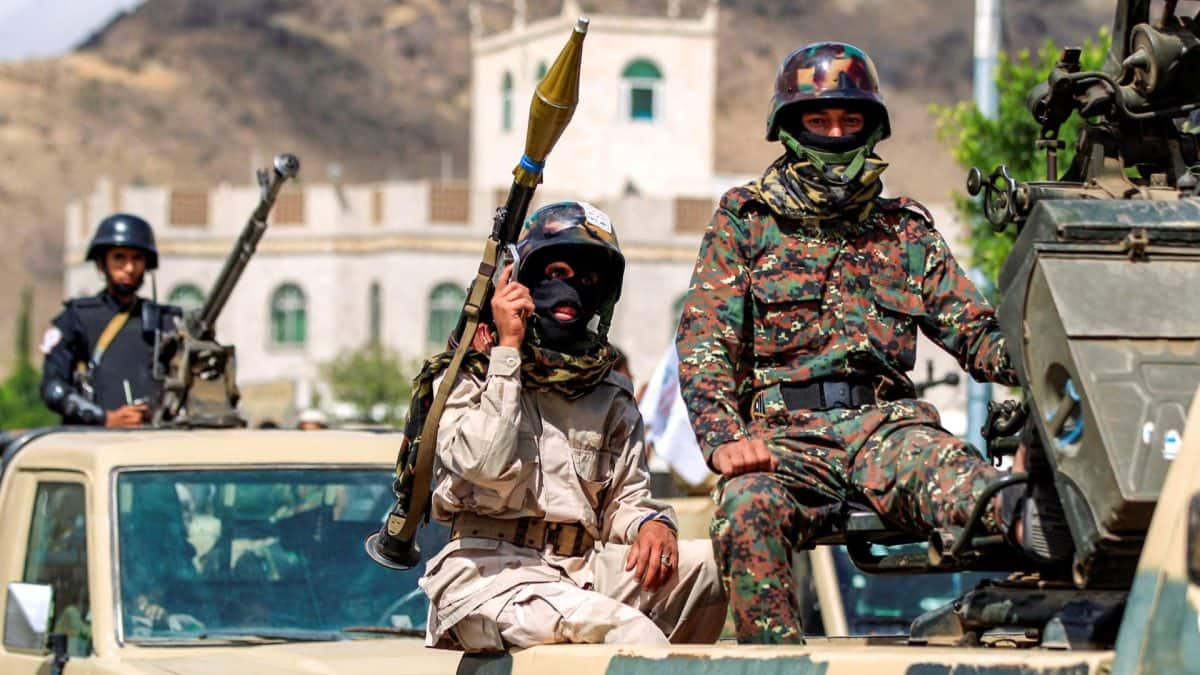
81 Killed as Houthis Push Toward Key Red Sea Chokepoint
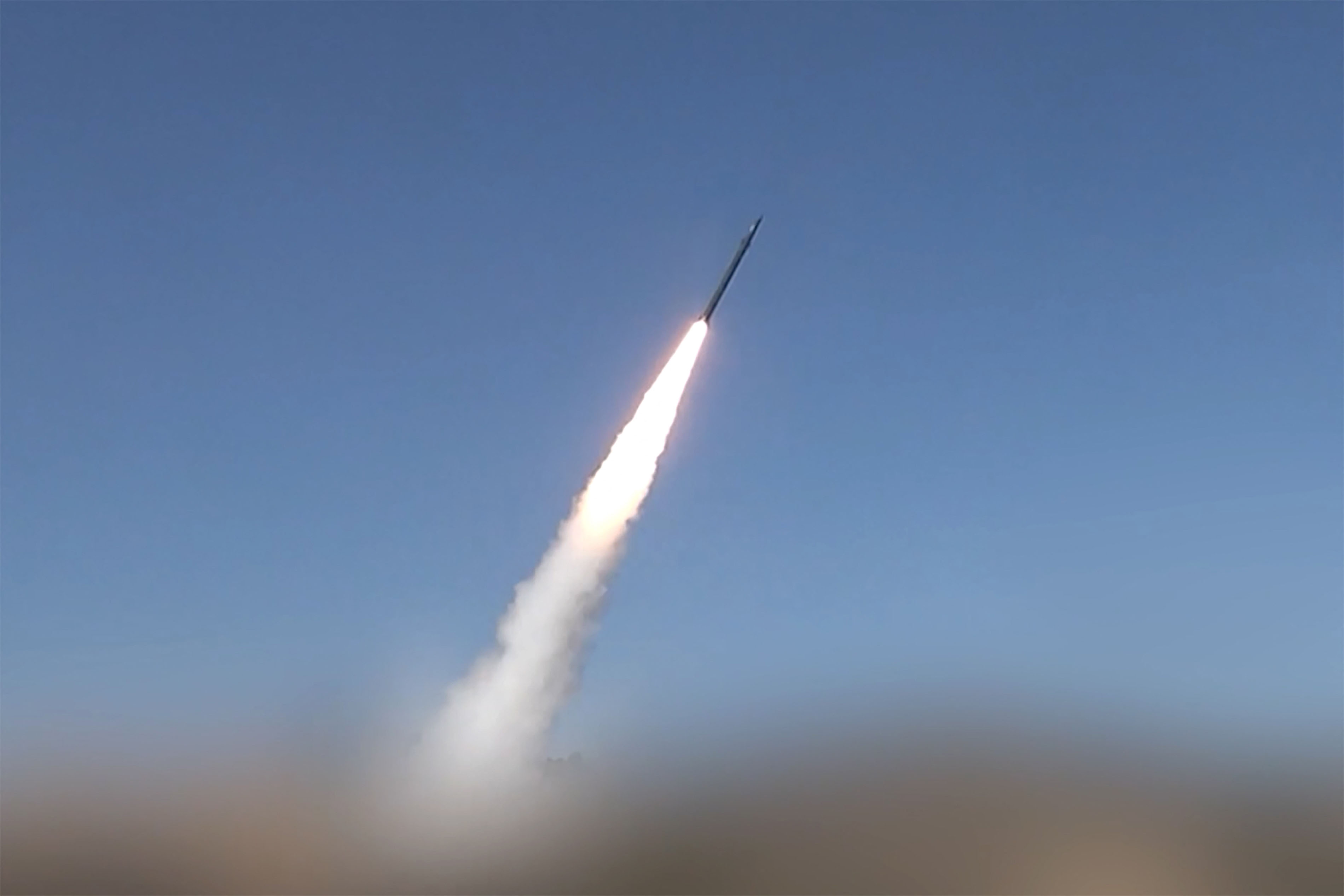
Houthis Strike Saudi Ship, Military Sites in Red Sea
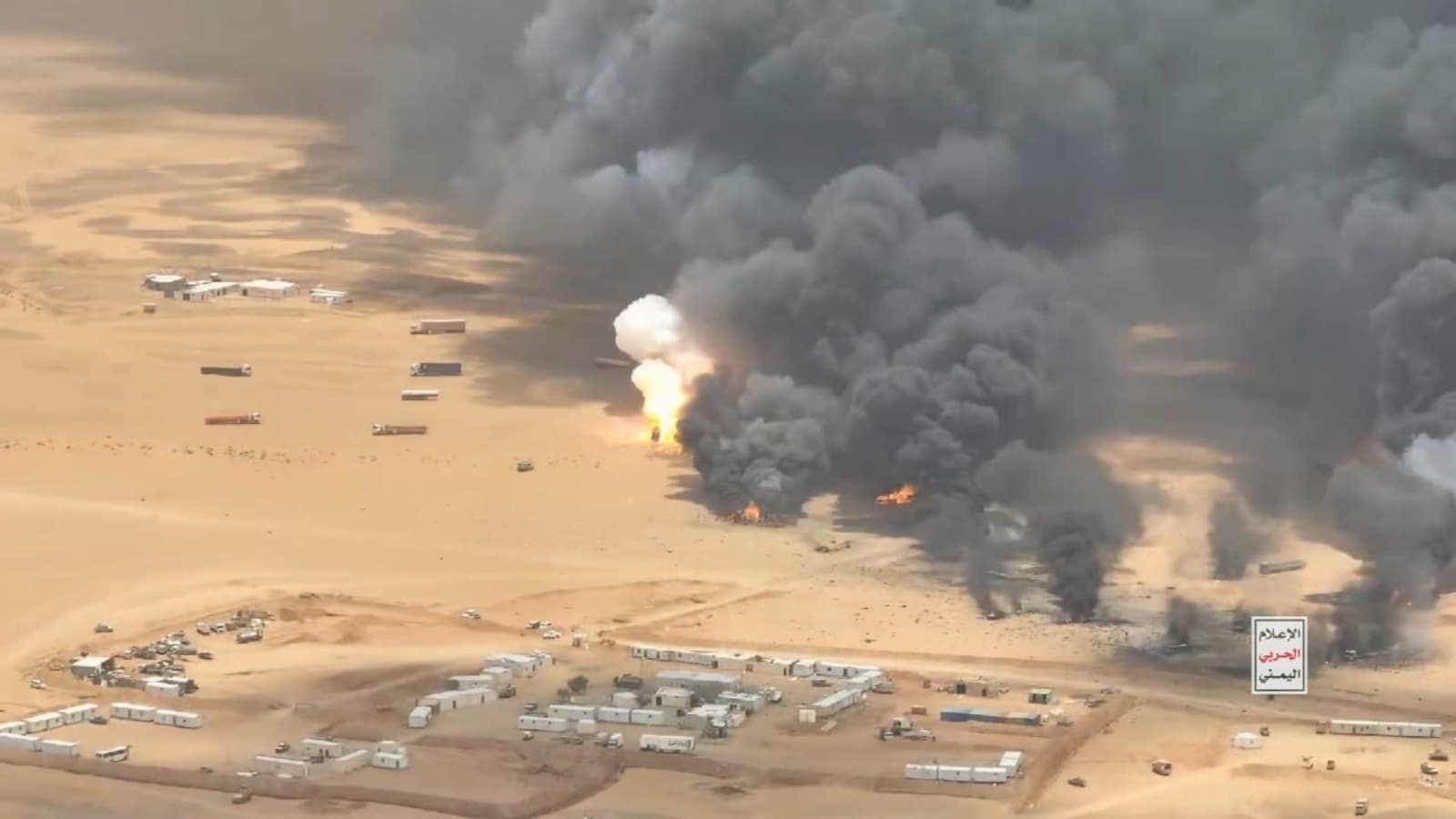
Houthis Strike Saudi Military Trucks as Riyadh Threatens Retaliation

Rupee Recovery Faces Oil Price and Foreign Outflow Headwinds

Middle East Tensions Push Oil Toward $100, Weighing US Stocks

September 9 Headlines Span Wildlife, Environment, Sports and Education
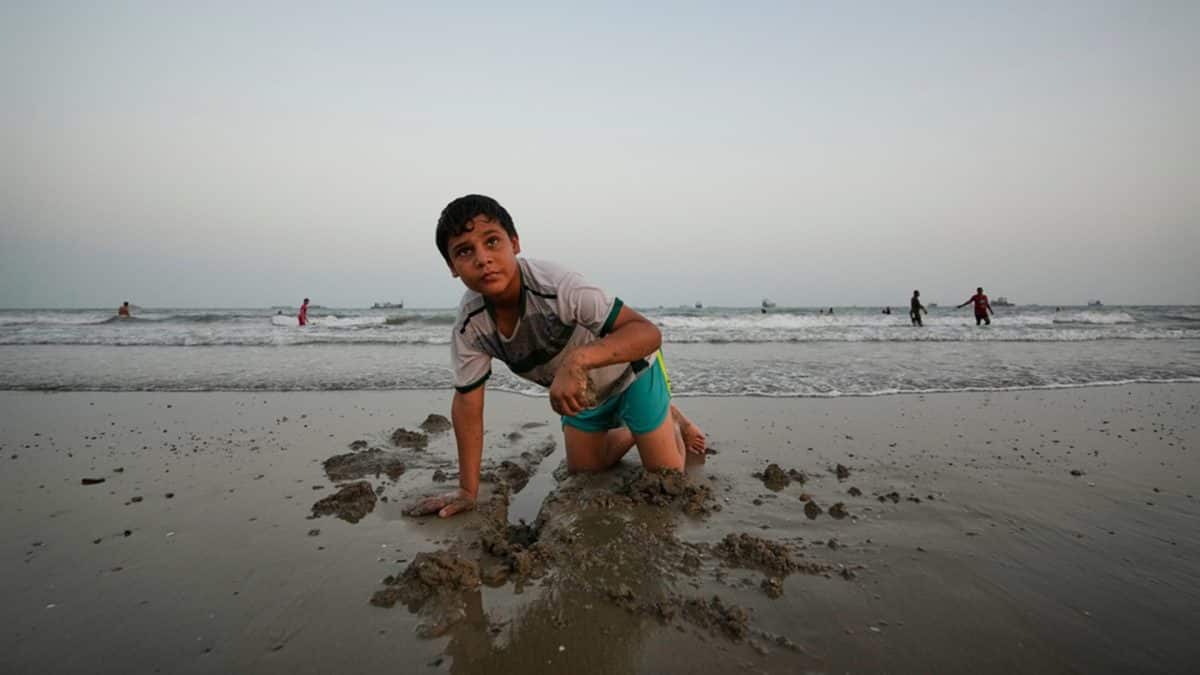
Iranian Beach Life Continues Amid War and Strait Disruption