1 week ago
Rising Memory Costs Threaten India’s Budget TV Segment
Memory chips are used in both small and very large smart TVs.
Because memory has become more expensive, the cost rises much more for smaller, cheaper TVs.
Hisense says people still want 32-inch and 43-inch televisions, especially in guest houses and rented rooms.
However, companies may make fewer of these models because they are becoming harder to sell profitably.
Many Indian shoppers are also choosing larger TVs, with 55-inch models now described as mainstream.
Hisense plans to focus on premium TVs that are 75 inches or larger.
The company is also entering air conditioners, washing machines and other appliance markets.
It wants to improve delivery, installation and after-sales service as it expands.

Hisense India CEO Pankaj Rana says memory costs affect 32-inch and 43-inch TVs by as much as 20% to 25%.
Rana says demand for smaller TVs remains, but brands may gradually reduce their focus on the segment.
India’s smart TV market has grown 6% to 7% annually, though growth is expected to slow to the lower single digits this year.
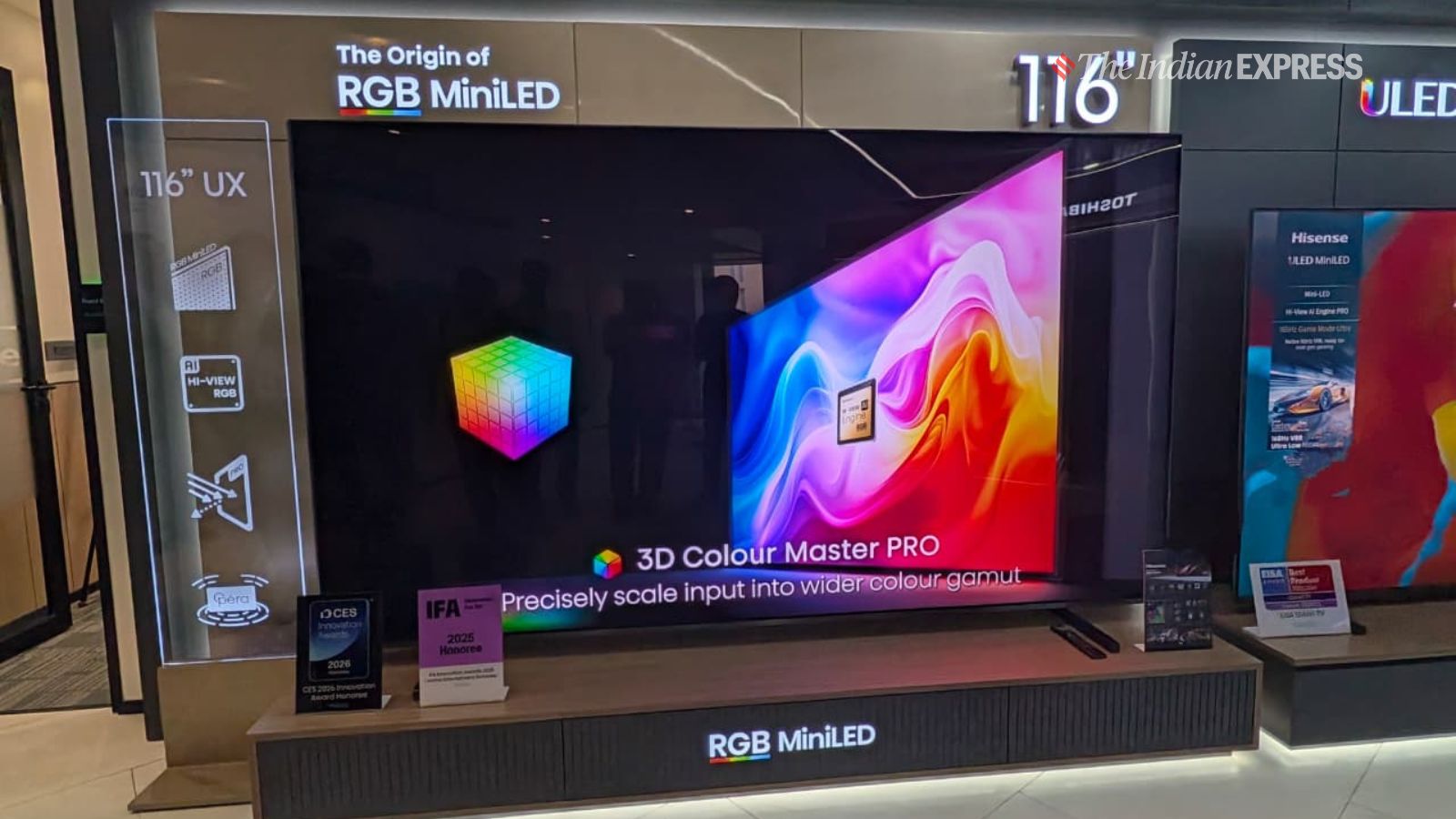
Hisense is targeting premium televisions, especially 75-inch and larger models using RGB and Mini-LED technologies.
The company is expanding into air conditioners, washing machines, refrigerators and small appliances in India.
- Who
- Pankaj Rana, CEO of Hisense India, and Hisense Group Corp.
- What
- Rising memory costs are making India’s budget TV segment less viable, while Hisense expands its premium TV and appliance businesses.
- Where
- India, including the company’s headquarters in Gurgaon and manufacturing operations in Tirupati and Hyderabad.
- When
- Rana discussed the issue on Wednesday; Hisense expects smart TV growth to slow this year.
- Why
- Memory prices have increased component costs, particularly for smaller TVs, while consumers are increasingly upgrading to larger and premium models.
Demand Perspective
Cost Perspective
Future of smaller TVs
Demand Perspective
Demand for 32-inch and 43-inch televisions still exists, including among guest houses, paying-guest accommodations and first-time buyers.
Cost Perspective
Higher memory costs disproportionately affect smaller, lower-priced TVs, so brands may gradually reduce their focus on the segment.
Direction of consumer demand
Demand Perspective
Budget televisions remain relevant because India has many first-time buyers and customers who need smaller screens.
Cost Perspective
Consumers are increasingly upgrading to larger screens, with 55-inch TVs becoming mainstream and demand growing for 75-inch and larger models.
Smart-home development
Demand Perspective
Features such as Wi-Fi-enabled air conditioners can offer practical benefits, including remote operation and maintenance alerts.
Cost Perspective
Broader integration among TVs, refrigerators and washing machines remains limited because consumer awareness and usage are still developing.
Key facts
- Most affected TV sizes
- 32-inch and 43-inch models
- Memory-cost impact
- As high as 20% to 25% for smaller TVs; less than 5% for larger screens
- Current mainstream size
- 55-inch TVs, according to Pankaj Rana
- Smart TV market growth
- Approximately 6% to 7% compound annual growth in recent years
- Hisense premium focus
- 75-inch and larger TVs, with 75-inch models starting at about Rs 80,000
- Air-conditioner factory
- Hyderabad facility with annual capacity of 5 lakh units
- Planned service expansion
- Exclusive service centres in India’s top 10 cities next year
Quotes
Pankaj Rana
CEO, Hisense India
“Nowadays, everyone is talking about AI. But what is the real benefit of AI to the end consumer? If you can’t communicate that benefit and the customer isn’t using the feature, then, in my opinion, that feature has no meaning.”
 indianexpress.com
“If I tell you, in every TV, be it a 100‑inch TV or a 43‑inch TV, the memory requirement is more or less the same... the impact of rising memory prices is very high on 32‑inch and 43‑inch TVs”
indianexpress.com
Sources
Related news
India’s TV Market Shifts Toward Larger, Premium Screens
Hisense Enters India's Washing Machine Market with 42 SKUs
Indian smartphone market faces tougher H2 as prices rise

India Smartphone Sales Slump 10% as Premium Segment Surges

India’s Smartphone Market Splits as Premium Phones Rise

India smartphone market value rises 1.7% despite 11% shipment decline

Naidu Orders Speedy Construction of 5,000 Temples in Andhra Pradesh

ACB Raids TTD Deputy EO Lokanatham in DA Case

Spice Lounge Launches Food Division, Targets ₹1,200 Crore Revenue
Railway Announces Charlapalli–Tiruchanur Special Trains for September Rush
Tirupati Urged to Become Model for Sanitation and Waste Management