

1 week ago
Semicon India 2.0 Aims to Build Global Chip IP

India has approved a large programme to strengthen its semiconductor industry.
Semiconductors are tiny components used in many electronic devices.
The first phase mainly tried to attract companies and investment.
The second phase also focuses on designing chips and creating new technology in India.
The author says India should own more of the important building blocks used inside chips.
Universities, startups and businesses could work together to turn research into products.
Government purchases, especially for strategic sectors and artificial intelligence, could create demand for Indian-designed chips.
The goal is for Indian semiconductor companies and technologies to succeed even after government incentives become smaller.

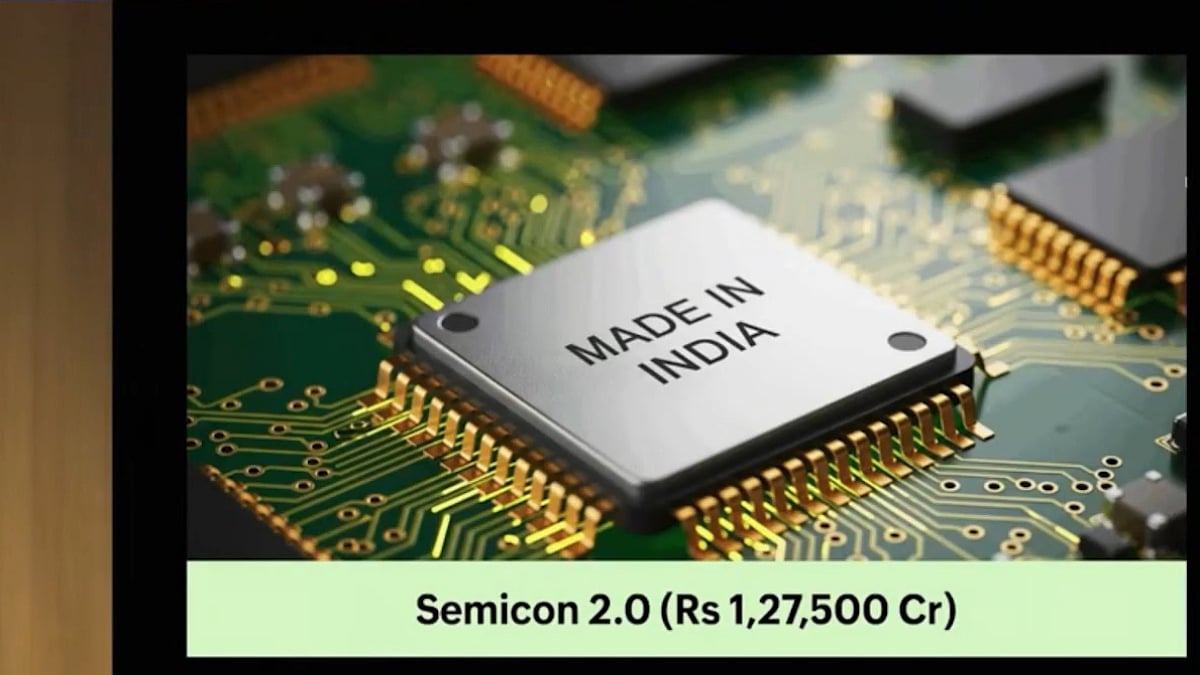
The Union Cabinet approved Semicon India 2.0 with an outlay of Rs 1.27 lakh crore.
The programme expands beyond investment attraction to design, fabs, packaging, research, talent and supply chains.
India’s semiconductor challenge is to develop end-to-end capabilities and remain competitive after incentives decline.
The article urges India to create domestic semiconductor IP, strengthen applied research and generate sustained demand.
Equipment, materials, specialised skills and procurement in strategic sectors are identified as priorities for long-term growth.
- Who
- The Union Cabinet and India’s semiconductor industry, including companies, startups, universities and engineers.
- What
- Approval of Semicon India 2.0, a semiconductor development programme with an outlay of Rs 1.27 lakh crore.
- Where
- India, including semiconductor facilities such as the CG Semi OSAT plant in Gujarat.
- When
- The article does not provide a specific approval date.
- Why
- To expand India’s capabilities from manufacturing and packaging into chip design, intellectual property, research, products and supply chains.
Key facts
- Programme
- Semicon India 2.0
- Approved outlay
- Rs 1.27 lakh crore
- Policy focus
- Semiconductor design, fabs, advanced packaging, research, talent, equipment, materials and supply chains
- Existing facility cited
- CG Semi OSAT plant in Gujarat
- Key proposed priority
- Creation of silicon-validated processor, analogue and accelerator intellectual property
- Potential demand engine
- India’s artificial-intelligence ambitions and government procurement in strategic sectors
- Projected global equipment spending
- $230 billion by 2028
Sources
Related news

India Expands Semicon 2.0 With 100,000 Engineer Target
Govt Launches ₹1.27 Lakh Crore Semicon 2.0 Scheme
India Notifies Rs 1.27 Lakh Crore Semicon 2.0 Programme
India Builds Semiconductor Ecosystem From Chips to Fabs
India Semiconductor Ecosystem Set to Create 50,000–60,000 Jobs

Nvidia Reports $96.2 Billion Revenue, Guides Toward $108 Billion

Google-Marvell $120 Billion Deal Is A Conditional Partnership

Indian Overseas Equity Investments Surge 5.6 Times in Five Years

Stocks Rise as Treasury Buyback Fails to Sustain Gains
