

3 weeks ago
AI Reshapes Entry-Level Work; Business Schools Struggle to Keep Up
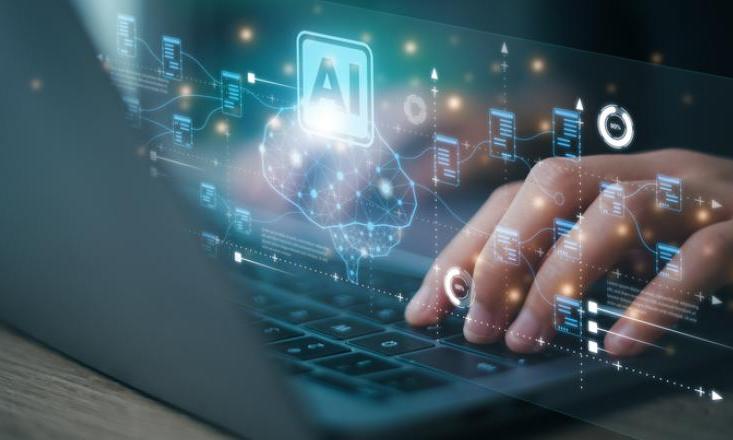
Smart computer programs called artificial intelligence, or AI, are now helping grown-ups at many jobs.
AI can do things like write emails and answer phone calls from customers.
Some teachers at Drexel University wanted to find out what bosses look for in workers who just finished college.
They asked 647 bosses, and the bosses said the most important qualities are good communication, being professional, working well in teams, being reliable, and thinking carefully.
Knowing how to use AI is helpful, but the bosses said it is not the only thing that makes a great employee.
In the past, new workers learned their jobs by doing lots of practice work, a little like an apprentice learning from a chef.
Now AI can do some of that first work, so new workers may get fewer chances to practice and learn from experienced colleagues.
That means schools need to teach students how to use AI and also how to check its work and know when a person's judgment should be used instead.
The professors say this judgment will matter even more as AI handles more routine work.

Employers across most industries now use AI for routine tasks such as drafting emails and answering customer calls.
A Drexel University survey of 647 employers found communication, professionalism, teamwork, reliability and critical thinking are the most valued qualities in recent graduates.
AI skills mattered to employers, but these alone did not distinguish the strongest candidates.
Entry-level work, traditionally an apprenticeship for developing professional judgment, is shifting as new hires increasingly review AI-generated forecasts and campaign ideas instead of producing first drafts.
Business professors argue educators must prepare students to question AI's output and recognize when human judgment should override AI, not just teach them how to use it.
- Who
- Business professors at Drexel University, based on responses from 647 employers.
- What
- A survey and analysis finding that AI is automating routine entry-level work while employers still value human qualities such as communication, professionalism, teamwork, reliability and critical thinking in recent graduates.
- Where
- Philadelphia, where Drexel University is based; the employers surveyed spanned a broad range of industries and organizations, big and small.
- When
- Over the past year, according to the professors' 2026 Early-Career Skills Outlook survey.
- Why
- Because AI is taking over the routine work that once helped new graduates develop professional judgment, prompting calls for business schools to reconsider how they prepare students.
AI-Use Education
Human Judgment Focus
Business school priorities
AI-Use Education
Much of the conversation in business education to date has centered on helping students learn how to use AI responsibly and effectively, with schools incorporating AI into their curricula.
Human Judgment Focus
The professors' findings show other qualities and skills still matter, and students must learn when human judgment should override AI, not just how to use it.
Preparing for entry-level work
AI-Use Education
Students are often still prepared for traditional entry-level roles in which they develop judgment by producing the first draft themselves.
Human Judgment Focus
Employers say this template is no longer relevant in many workplaces, where new hires review AI-generated work and may have fewer opportunities to practice communication, collaboration and decision-making.
Key facts
- Survey Name
- 2026 Early-Career Skills Outlook
- Employers Surveyed
- 647
- Top-Rated Qualities
- Communication, professionalism, teamwork, reliability, critical thinking
- Institution
- Drexel University's LeBow College of Business
- Research Timeframe
- Past year
- AI's Typical Uses
- Drafting emails, answering customer calls
- Key Finding
- AI skills alone did not distinguish the strongest candidates
Sources
Related news

AI Reshapes Management Education as Critical Judgment Remains Essential

AI Hiring Crisis: Why Entry-Level Jobs Are Disappearing First
Top skills to survive the AI boom and stay employable

Employers Seek Analytical, Tech-Savvy, Adaptable MBA Graduates

How Artificial Intelligence Is Redefining Executive Education for Professionals
