3 weeks ago
AI Hiring Crisis: Why Entry-Level Jobs Are Disappearing First

A smart computer program called AI is very good at doing simple, repeating jobs that grown-ups used to do at work.
Because of this, some jobs that young people used to find right after school are becoming harder to get.
A scientist named Brynjolfsson studied this and found that people between 22 and 26 years old are losing these jobs the fastest.
At first, the number of these jobs went down by about 13%, and later it dropped even more.
Companies are not paying workers less yet, but they are hiring fewer young people.
Some young people are worried, and one graduating student asked if her whole generation was 'doomed.'
Brynjolfsson thinks AI can also be a helper that makes people better at their work.
He says people should learn new skills and be creative instead of waiting for old jobs to come back.
He believes schools and companies should teach people how to work with AI tools.
If people learn to use AI well, it can expand what they are able to do, like a tool that amplifies their own ideas.

Economist Brynjolfsson, speaking in a McKinsey interview, says AI is automating specific work tasks rather than replacing entire occupations.
Employment among workers aged 22 to 26 in the most AI-exposed occupations fell by around 13% initially and has widened to 16%-17% in continued monthly data.
Wages have not yet experienced a comparable decline, indicating companies are slowing recruitment before making deeper compensation changes.
Organizations may shift from pyramid-shaped hierarchies to 'diamond-shaped' structures with fewer entry-level jobs, raising concerns about future leadership pipelines.
Brynjolfsson urges companies to measure AI's value through business outcomes, not labour-cost savings alone, and to invest in education and workforce training.
- Who
- Economist Erik Brynjolfsson, interviewed by McKinsey, and workers aged 22 to 26 in AI-exposed occupations.
- What
- AI automation of routine, entry-level tasks is driving steep employment declines and job redesign, with hiring slowing before wage cuts.
- Where
- Not specified in the article; the interview is conducted by McKinsey, and the research references graduates including a Stanford senior.
- When
- Not specified in the article; findings come from ongoing research with continued monthly data collection.
- Why
- Routine responsibilities traditionally assigned to junior employees are among the easiest for AI to automate, leading employers to redesign jobs and slow entry-level recruitment.
Efficiency-First View
Amplification-First View
How to evaluate AI
Efficiency-First View
Executives evaluate AI investments based on workforce reductions because those savings are easy to measure.
Amplification-First View
AI's biggest opportunity is helping employees create new products, improve customer service and do higher-value work; productivity should be measured by business outcomes, not labour cost alone.
Fewer entry-level jobs
Efficiency-First View
Diamond-shaped organizations with fewer entry-level positions can improve short-term efficiency.
Amplification-First View
Significantly reducing graduate hiring today raises concerns about where future managers and experienced leaders will come from.
Outlook for young workers
Efficiency-First View
AI is destroying some jobs, and young graduates struggle to secure positions - one Stanford senior asked if her generation was 'doomed.'
Amplification-First View
AI is also creating opportunities for workers willing to adapt, learn new skills and shape their careers, acting as 'amplifying intention.'
Key facts
- Interviewee
- Erik Brynjolfsson in a McKinsey interview
- Most affected group
- Workers aged 22-26 in AI-exposed occupations
- Initial employment decline
- Around 13%
- Latest employment decline
- 16%-17% (continued monthly data)
- Wage impact
- No comparable decline yet
- Company hiring pattern
- Slowing recruitment before deeper compensation changes
- Predicted organizational shift
- Pyramid-shaped to diamond-shaped structures with fewer entry-level jobs
- Recommended response
- Investment in education, workforce training, and organizational redesign
Quotes
Brynjolfsson, MIT Sloan professor and researcher
Professor of Information Technology and economics at MIT Sloan School of Management
“"AI is changing the nature of work by automating specific tasks rather than replacing entire occupations."”
 businesstoday.in
“"amplifying intention."”
businesstoday.in
Unnamed graduating Stanford senior
Student asking about future employment prospects
“"doomed."”
businesstoday.in
Sources
Related news

Stanford Study Finds AI-Exposed Entry-Level Jobs Falling 19 Percent

AI Creates Jobs in India, but Freshers Face Shrinking Opportunities

Goldman Sachs Warns AI May Reshape Jobs, Especially Entry-Level Work

AI boom worsens UK youth unemployment to decade high

AI Reshapes Entry-Level Work; Business Schools Struggle to Keep Up

BOK report: Youth employment drops sharply in AI-exposed sectors
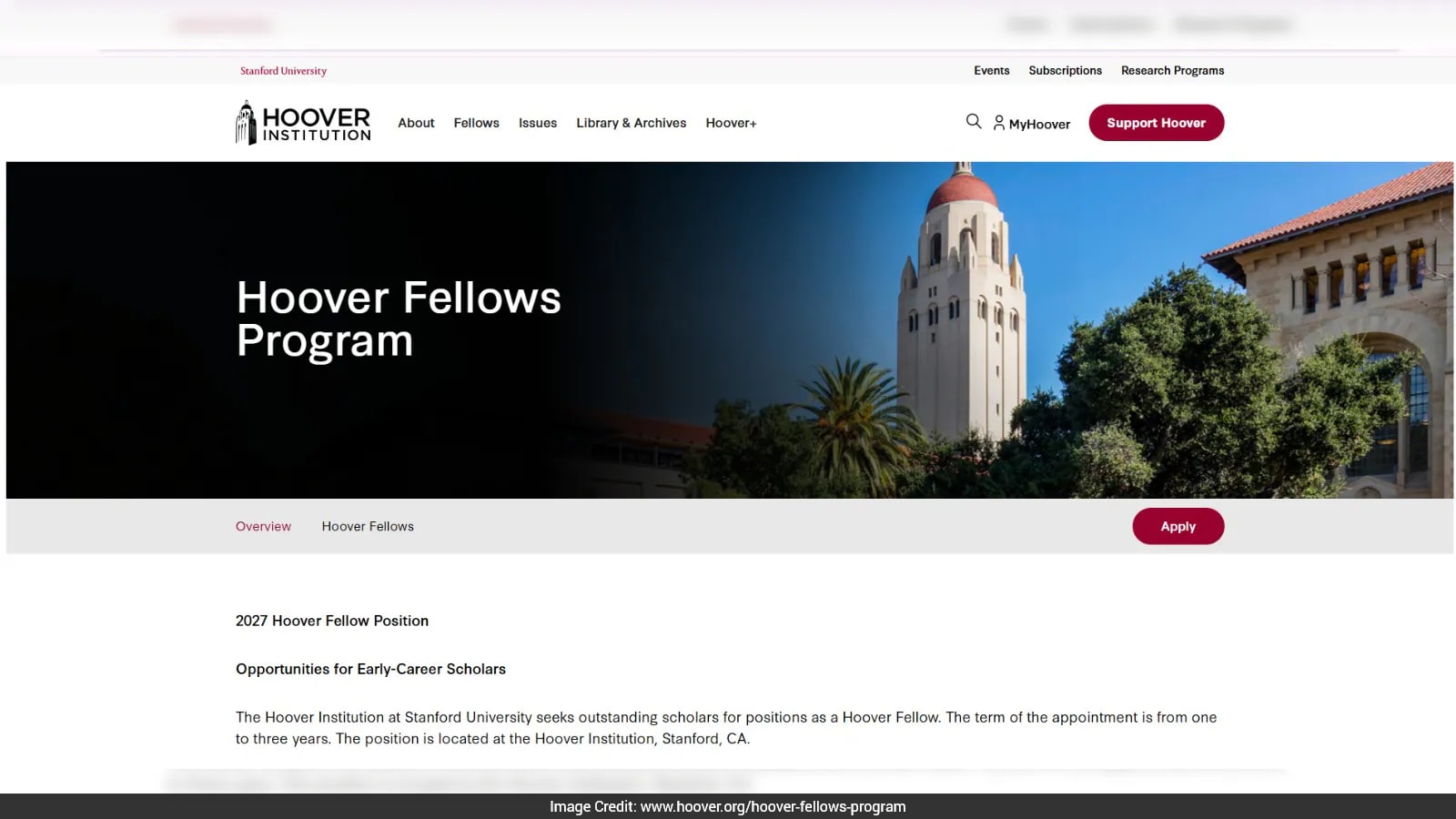
Stanford Hoover Fellowship Offers Early-Career Researchers Rs 2.18 Crore

Sanders Backs Gates Warning About AI Job Losses

Court Blocks Trump Student Visa Crackdown Over Political Speech

How to Protect Your Feet During a Long Mountain Trek

Judge blocks Trump's deportation efforts over pro-Palestinian speech