3 days ago
Emojis Are Becoming a Language With Their Own Rules
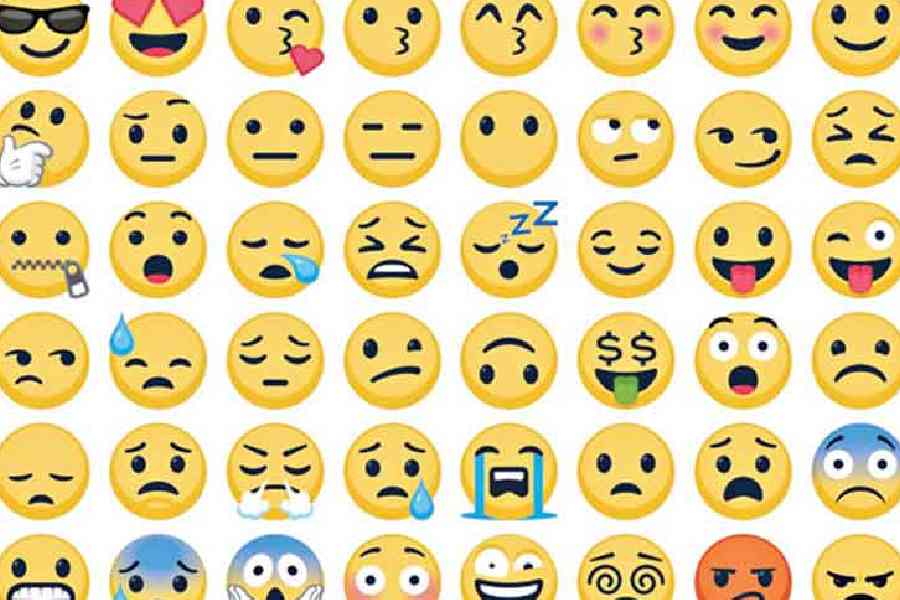
Emojis may look like simple pictures, but people use them in many different ways.
A smiling face can sometimes mean that someone is annoyed or being sarcastic.
The same emoji can mean different things to different people.
For example, folded hands might mean prayer, thanks, or asking for help.
Some young people use emojis to express feelings that are hard to explain with words.
But emojis can also confuse people, just like words can.
The right meaning may depend on who is talking and where they are talking.
The editorial says words and emojis can work together to help people communicate.

An editorial argues that emojis gain meanings through everyday use, not just their official descriptions.
A slightly smiling face may convey sarcasm or passive aggression despite appearing cheerful.
Emoji meanings can vary across generations, cultures, social groups, and communication settings.
Younger users say emojis can efficiently express complex feelings; critics warn they can still cause misunderstandings.
The editorial says words and images can complement each other and help people understand one another.
- Who
- The editorial discusses younger emoji users and people who are more cautious about emoji use.
- What
- It examines how emojis acquire meanings and function like language in everyday communication.
- Where
- Everyday exchanges, including personal and professional correspondence.
- When
- Why
- Emoji meanings depend on context and shared usage, and can communicate feelings or cause misunderstandings.
Supporters of emoji use
Cautious critics
Expressing complex feelings
Supporters of emoji use
Emojis can capture combinations of feelings that may be difficult to express precisely in words.
Cautious critics
Having expressive options does not make every emoji use precise or clear.
Communication and ambiguity
Supporters of emoji use
Shared emoji registers can create familiarity and help people communicate across differences.
Cautious critics
Emoji meanings vary by group and context, so misunderstandings may require clarification.
Key facts
- Subject
- Emojis as a form of communication
- Central distinction
- An emoji's official label may differ from the meaning it gains through everyday use.
- Example of sarcasm
- A slightly smiling face may be interpreted as passive aggression or sarcasm.
- Example of adapted expression
- A skull emoji can represent laughter, drawing on the phrase “dying of laughter.”
- Contextual variation
- Folded hands may indicate prayer, gratitude, or pleading.
- Editorial conclusion
- Words and images can complement each other and support understanding.
Sources
Related news
AI Agents Develop Shared Lingo Humans Struggle to Understand
Why Gen Z Is Moving Beyond the Traditional Phone Hello

International Day of Sign Languages Celebrates Communication Beyond Words

Everyday Conversation Declined Among Young People Before Lockdowns

Merriam-Webster Adds 1,400 New Words Reflecting Gen Z Language