2 days ago
Everyday Conversation Declined Among Young People Before Lockdowns

The article says young people may be talking less in everyday situations.
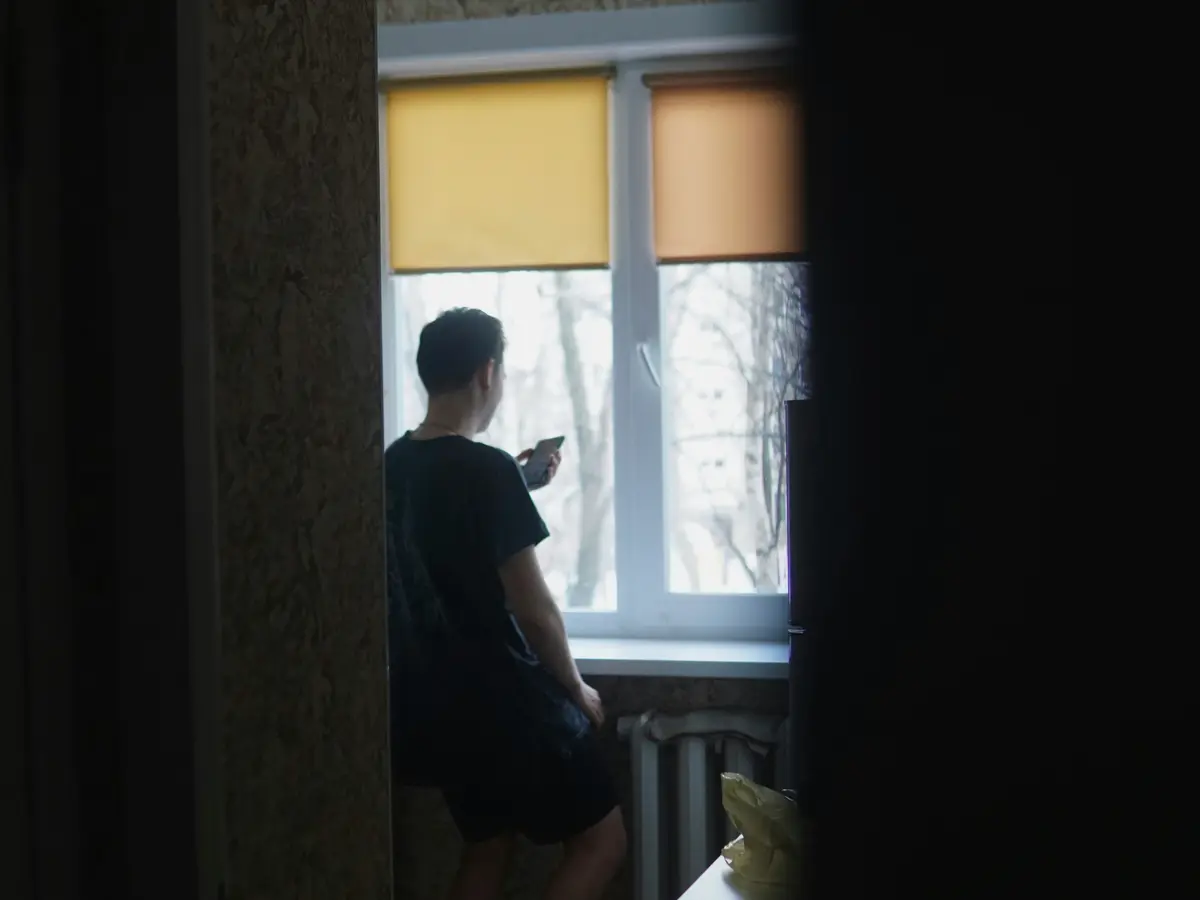
Some people make jokes about a “Gen Z stare,” meaning a blank look after an unexpected question.
The joke seems believable to some people because they say they have seen this behavior.
However, the data discussed ends in 2019.
That was before the pandemic and its lockdowns.
This means lockdowns cannot fully explain the decline.
The change may have started before young people were sent home from school.
The article does not identify a definite cause.

An apparent decline in everyday conversation among young people was underway before the pandemic.
Online jokes about the “Gen Z stare” portray young people giving blank responses to unexpected questions.
The joke appears relatable because it reflects an observation some people believe they have witnessed.
The data cited ends in 2019, before pandemic lockdowns began.
The article argues that lockdowns cannot explain a decline that had already started.
- Who
- Young people, particularly members of Generation Z.
- What
- A reported decline in everyday conversation and responses to unscripted questions.
- Where
- When
- The data cited ends in 2019, before pandemic lockdowns.
- Why
- The article says the cause is not established, but argues it cannot be explained solely by the pandemic.
Pre-existing Decline
Pandemic Explanation
What caused the change?
Pre-existing Decline
The decline began before lockdowns, so the pandemic cannot be the original explanation.
Pandemic Explanation
Lockdowns might appear to explain reduced conversation, but the article says the available data predates them.
Key facts
- Data cutoff
- 2019
- Behavior discussed
- Less everyday conversation and blank responses to unexpected questions
- Online reference
- The “Gen Z stare” joke
- Pandemic timing
- The decline was already underway before lockdowns
- Suggested population
- Young people
- Cause
- Not definitively identified in the article