2 weeks ago
International Day of Sign Languages Celebrates Communication Beyond Words

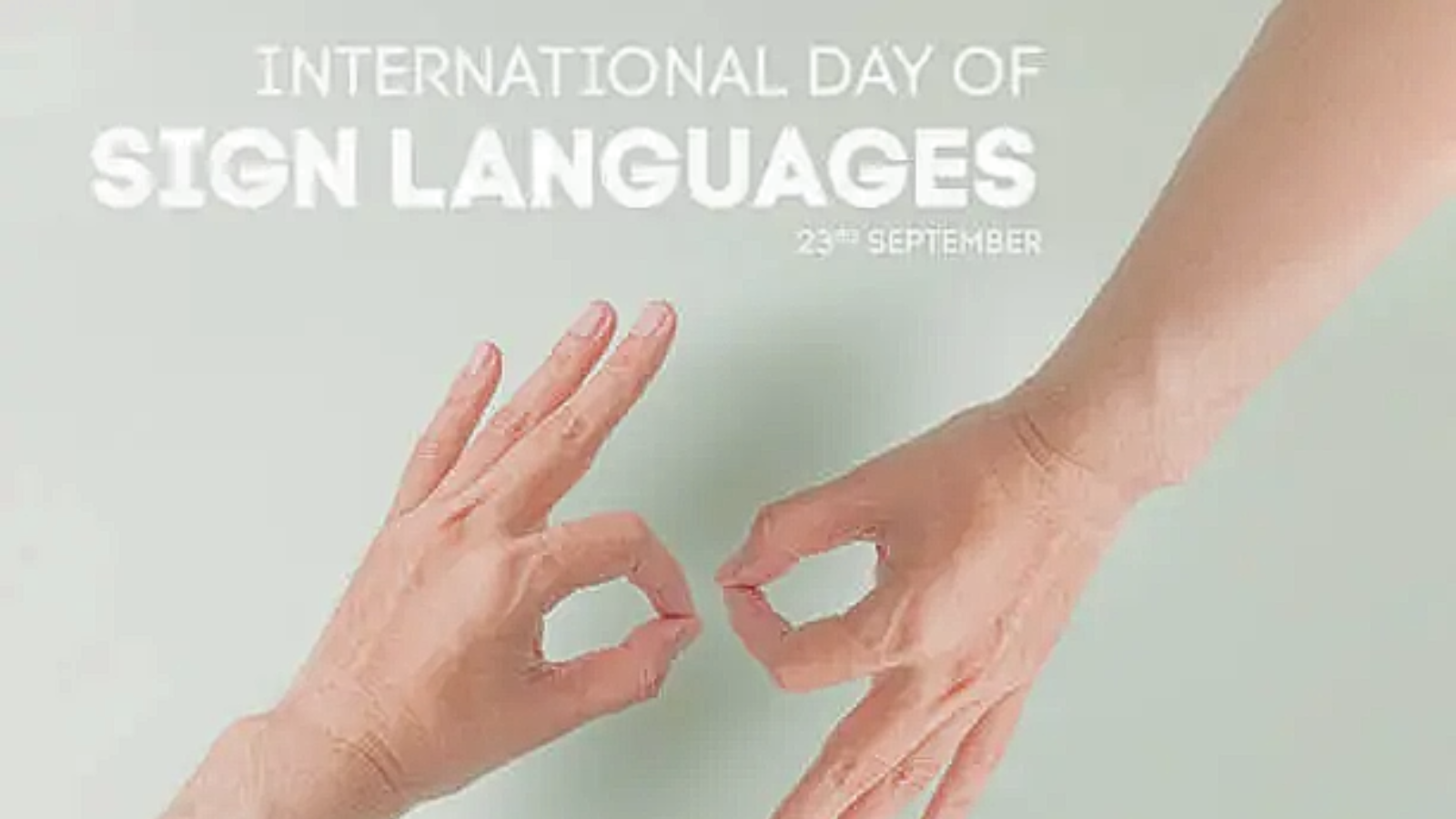
Today is International Day of Sign Languages.
Sign language helps people share ideas, feelings and questions without speaking.
It uses hands, faces, bodies and gestures to communicate.
Sign languages have their own rules, just like spoken languages.
They are especially important for many deaf and hard-of-hearing people.
Learning a few signs can help more people communicate with one another.
Schools and communities can teach signs and encourage understanding.
This can make everyday life more welcoming for everyone.

Sign language is a visual form of communication using hand movements, facial expressions, body language and gestures.
Different sign languages have their own vocabulary, grammar and structure, like spoken languages.
For deaf and hard-of-hearing people, sign language can be central to communication and identity.
Learning basic signs can help hearing people communicate with sign-language users and promote inclusion.
Schools, communities and public services can support awareness by designing communication for diverse needs.
- Who
- Millions of people around the world, especially deaf and hard-of-hearing people, use sign language.
- What
- International Day of Sign Languages highlights sign language as a language and a tool for communication, identity and inclusion.
- Where
- Around the world, including schools, communities and public spaces.
- When
- Today, on International Day of Sign Languages.
- Why
- To raise awareness of sign languages and encourage communication that includes people with diverse needs.
Key facts
- Communication type
- Visual communication using hand movements, facial expressions, body language and gestures.
- Language structure
- Sign languages have their own vocabulary, grammar and structure.
- Primary users
- Deaf and hard-of-hearing people.
- Broader benefit
- Basic signing can help hearing people communicate with sign-language users.
- Role of schools
- Teaching basic signs can encourage empathy and awareness.
- Inclusive services
- Public spaces and services can be designed around diverse communication needs.
Sources
Related news
Six Sign Languages Highlight Global Deaf Community Diversity

International Day of Peaceful Communication Highlights Words’ Power
Emojis Are Becoming a Language With Their Own Rules
Creator Praises IndiGo Staffer for Communication Beyond Words
Vijay Vikram Singh Calls Hindi A Democratic, Inclusive Regional Language