2 weeks ago
Why Gen Z Is Moving Beyond the Traditional Phone Hello

Many young people do not start phone calls by saying “Hello?”
anymore.
Instead, they may say “Hi,” “Yo,” a joke, or nothing at all.
Some use special greetings with close friends to show how well they know each other.
Others stay silent with unknown callers because they worry about scams.
Smartphones already show who is calling, so people may not need to ask who is there.
Young people also often prefer sending voice notes instead of making calls.
Voice notes can be quicker than typing and may make emotions easier to understand.
Etiquette teachers and parents see this as a change from traditional phone manners.
Researchers say the shift may be connected to how digital communication has changed conversations.

Young callers increasingly replace “Hello?” with personalized greetings such as “Bello,” “Hi,” “Yo,” or “Where are you?”
Some young people answer unknown numbers silently because they fear spam bots, voice misuse, phishing, and other scams.
Caller ID and smartphones reduce the need to identify who is calling before a conversation begins, researchers say.
Voice notes are often preferred over calls or long texts because they are faster and can make tone clearer.
A study found that average daily speech declined from nearly 16,000 words in 2007 to fewer than 13,000 in 2019, with larger declines among people under 25.
- Who
- Young people, especially those under 25, along with parents, etiquette teachers, and communication researchers.
- What
- A growing number of young callers are replacing the traditional “Hello?” with personalized greetings, silence, or other responses.
- Where
- The examples and interviews primarily come from the United States, including New York City and several other American cities.
- When
- The change is described as a recent trend; the cited speech study compares recordings from 2007 and 2019.
- Why
- Caller ID, smartphones, integrated digital communication, preference for voice notes, and concerns about scams may all contribute to the change.
New Communication Norms
Traditional Phone Etiquette
How calls should begin
New Communication Norms
Young callers often personalize greetings based on their relationship with the caller, or skip a greeting when caller ID already provides context.
Traditional Phone Etiquette
Parents and etiquette instructors view answering without a greeting as a breakdown of established phone manners.
Responding to unknown numbers
New Communication Norms
Remaining silent can protect callers from spam bots, phishing attempts, and possible misuse of recorded voices.
Traditional Phone Etiquette
Traditional etiquette favors acknowledging the caller promptly, although etiquette teacher Myka Meier said young people’s distrust is understandable in an era of digital scams.
Key facts
- Common alternatives
- “Hi,” “Yo,” “What’s up?,” “Where are you?,” “Yeah?,” and playful greetings such as “Bello.”
- Unknown callers
- Some young people answer silently and wait for the caller to speak first.
- Communication preference
- Several teenagers said they use voice notes more often than phone calls.
- Speech study
- Average daily words spoken fell from almost 16,000 in 2007 to under 13,000 in 2019.
- Younger speakers
- People younger than 25 experienced an even larger decline in spoken words, according to a study co-author.
- Etiquette survey
- About one-third of roughly three dozen 15- and 16-year-olds said they did not greet callers.
Quotes
Griffin Bassett
A linguistics researcher specialising in digital communication
“I will pick it up and I’m silent, waiting for them to say something.”
 telegraphindia.com
“to establish common ground”
telegraphindia.com
Sources
Related news

Everyday Conversation Declined Among Young People Before Lockdowns

‘Mahatma Gandhi’ Caller ID Triggers New Cybersecurity Warning
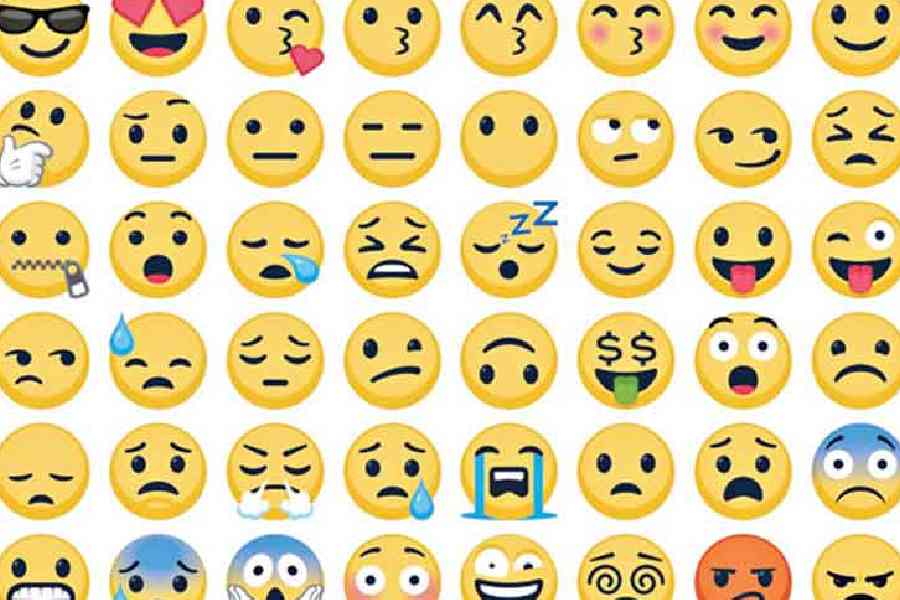
Emojis Are Becoming a Language With Their Own Rules

TRAI Tightens Spam-Call Rules for Truecaller and Other Apps

How Disappearing Words Reflect Our Changing Social Lives

Google’s Gemini Introduces AI Calls for Business Tasks

Maduro and Flores Face New US Torture Charges

Trump Says Iran War Will End Quickly, Oil Prices Fall

Sanjay Dutt Discusses His Family and Wife Maanayata

Photographer-Turned-Gaffer Shaurya Chopra Puts the Image Before Gear

Artificial’s Rocky Hollywood Journey Fuels Debate Over AI