

4 hrs ago
Why India Has Not Added Lung Cancer to Screening
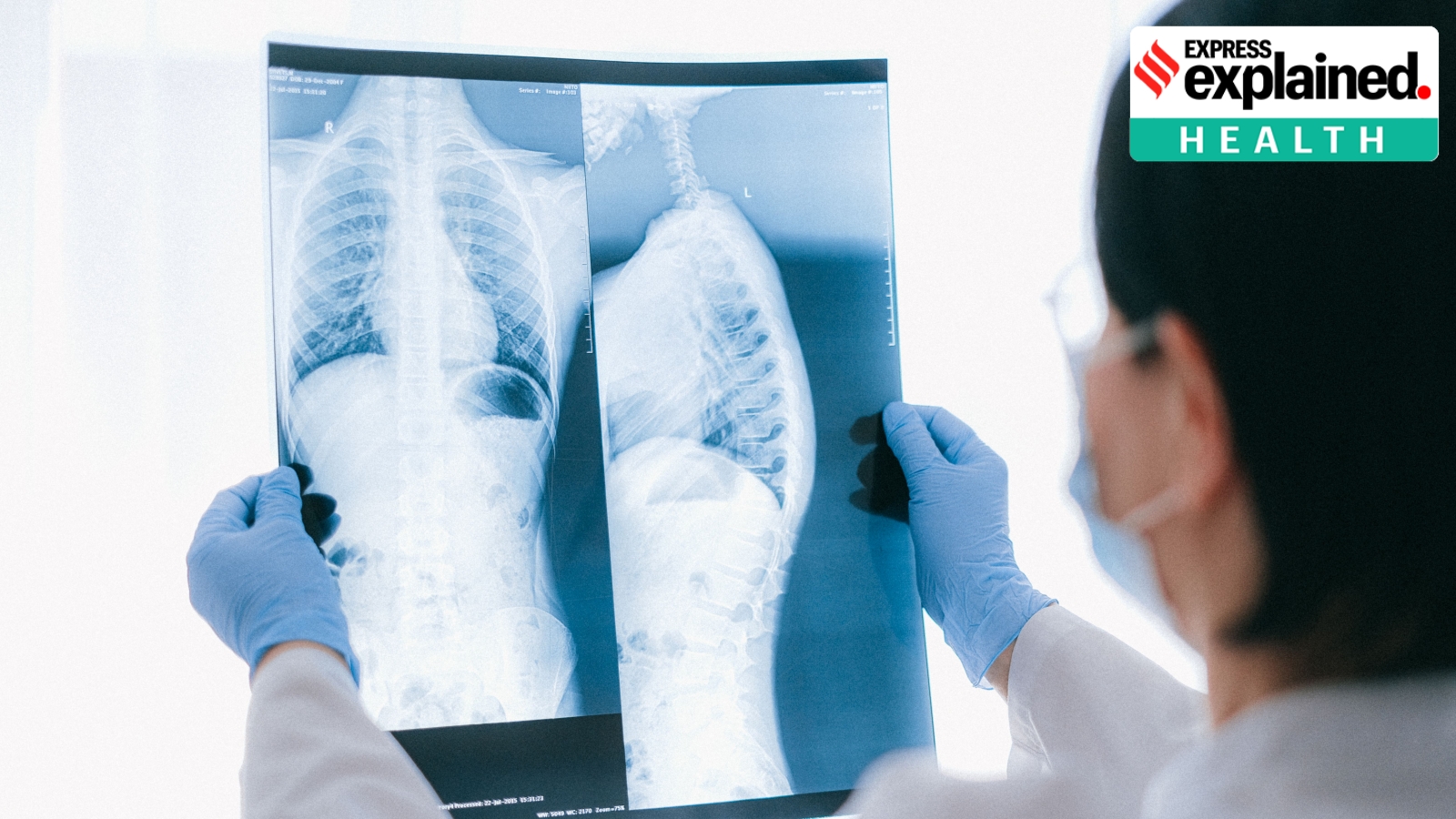
Lung cancer causes more cancer deaths in India than any other cancer.
Many people find out they have it only after it has spread, when treatment is harder.
India’s local screening programme checks for some other cancers, but not lung cancer.
A special scan called low-dose CT can help find lung cancer earlier.
However, the scan costs more than the simple tests used for other cancers, and many local clinics do not have the machines.
Rules used in some other countries focus on long-term cigarette smoking, but many people in India face other risks too.
Researchers say screening rules should fit those risks.
Stopping smoking can also lower risk and may help people being treated.

Lung cancer accounted for 98,687 deaths in India in 2024, or 10.9% of all cancer deaths.
The article says 93% of lung cancer cases are diagnosed at advanced stages, when five-year survival is much lower.
India’s primary health centre screening programme covers breast, oral and cervical cancers, but not lung cancer.
Low-dose CT may detect lung cancer early, but costs, limited machine access and travel to higher-level centres pose challenges.
Experts say Indian screening criteria should consider risks such as bidi smoking, second-hand smoke, household fuels and air pollution.
- Who
- People in India at risk of lung cancer; the article cites Dr Abhishek Shankar and Indian researchers.
- What
- The article examines why lung cancer is not included in India’s primary health centre screening programme and the challenges of introducing screening.
- Where
- India.
- When
- The article discusses data from 2022 and 2024, alongside studies and expert statements published from 2021 to 2025.
- Why
- Many lung cancers are diagnosed late, but screening faces cost, access and eligibility challenges, including risks not captured by smoking-based guidelines.
Reasons to introduce screening
Challenges to implementation
Potential health benefit versus cost
Reasons to introduce screening
The article cites an Indian Council of Medical Research study that found LDCT had the highest net monetary benefit among the options compared and called it cost-effective.
Challenges to implementation
LDCT is more expensive than the low-tech screening tests used for breast, oral and cervical cancers and could increase government spending.
Screening feasibility versus access
Reasons to introduce screening
Studies cited in the article found LDCT screening feasible in TB-endemic settings, with false-positive results comparable to reported literature from developed countries.
Challenges to implementation
LDCT is not generally offered as a screening test, cannot be performed at primary health centres, and may require people without symptoms to travel to a higher-level centre.
Global criteria versus Indian risk factors
Reasons to introduce screening
The article describes global guidance that targets people aged 50–80 with a history of smoking at least a pack of cigarettes daily for 20 years.
Challenges to implementation
Researchers say those criteria would miss many people in India, including people exposed to bidi smoke, second-hand smoke, household fuels, fumes and air pollution.
Key facts
- Lung cancer deaths in 2024
- 98,687, or 10.9% of all cancer deaths in India.
- Lung cancer deaths in 2022
- 75,031, or 8.2% of all cancer deaths.
- New cases in 2024
- 1.12 lakh, or 7.2% of all cancer cases.
- Advanced-stage diagnosis
- Dr Abhishek Shankar said 93% of cases are diagnosed at advanced stages.
- Five-year survival
- The article reports 7%–18% for late-stage diagnosis and says it can reach 80% when detected in the first stage.
- Current government screening
- Primary health centre screening covers breast, oral and cervical cancers, not lung cancer.
- Screening test discussed
- Low-dose computed tomography (LDCT); the article notes cost and availability challenges.
Quotes
Dr Abhishek Shankar
A doctor and co-author of an IARC perspective on lung cancer screening.
“LDCT (low-dose computed tomography) based lung cancer screening can reduce the mortality from lung cancer by treating the disease at an early stage. While lung cancer screening is not a part of the government’s programme, there should be efforts at institutional level to provide lung cancer screening.”
 indianexpress.com
“Instead of simply saying that smoking kills, if the cigarette packets, for example, say that if you are over the age of 60 years and have been smoking for 20, you should get screened for cancer. This way, the people have actionable knowledge about what they need to do.”
indianexpress.com
Sources
Related news

Singapore Cancer Centre Reports Nearly 20% Rise in Indian Patients

Delhi LG Proposes TB Screening For All Hospital Admissions

Doctors Say Nearly Four in Ten Cancers Are Preventable
Experts Urge Smoke-Free Public Places as India Faces 325,000 Deaths
Why Finding a Small Shadow on the Lung Matters
India’s Flu Vaccine Gap Persists Despite Rising H1N1 Cases

Global Groups Seek World Health Priority for Diabetic Foot Care

Are Rising SSRI Prescriptions Appropriate, or Too Frequent?

Global Lifespans Recover, but Healthy Years Still Lag

Food nutrients mimic calorie restriction, but healthspan benefits remain unproven
