1 hr ago
Singapore Cancer Centre Reports Nearly 20% Rise in Indian Patients

More Indian patients went to a cancer centre in Singapore in 2025.
The centre said their number increased by nearly 20 percent.
Many of these patients had cancer that was already advanced or had not responded to treatment.
This can make curing the disease more difficult.
Doctors said finding the exact type of cancer is very important.
Tests can include scans, biopsies and checks for genetic changes in the cancer.
Some advanced cancers can still be controlled for many years with the right treatment.
The doctor also said preventing tobacco and betel nut use and finding cancer early can improve outcomes.

Parkway Cancer Centre reported nearly 20% year-on-year growth in Indian patients in 2025.
Dr Ang Peng Tiam said 60–70% of Indian patients arrive with advanced or treatment-resistant cancer.
Only about 30% of Indian patients seen by the centre are potentially at a curable stage.
Diagnostic workups, including imaging, biopsy, pathology and molecular profiling, are usually completed within 48 hours.
Treatment costs vary widely, with some medicines ranging from a few hundred to SGD 14,000 per cycle.
- Who
- Parkway Cancer Centre and its medical director, Dr Ang Peng Tiam, discussed care for Indian cancer patients.
- What
- The Singapore-based centre reported a nearly 20% increase in Indian patients in 2025, most of whom had advanced or treatment-resistant cancer.
- Where
- At Parkway Cancer Centre in Singapore, with the report datelined Kolkata, India.
- When
- In 2025; the report was published on September 4.
- Why
- Many patients travel abroad after available treatment options in India have been exhausted or to seek another medical perspective.
Key facts
- Patient growth
- Indian patient numbers at Parkway Cancer Centre rose by nearly 20% year on year in 2025.
- Advanced cases
- About 60–70% of Indian patients had advanced or treatment-resistant cancers.
- Potentially curable cases
- About 30% were potentially at a curable stage.
- Diagnostic timeline
- The centre aims to complete imaging, biopsy, pathology and molecular profiling within 48 hours in most cases.
- Treatment costs
- Drug costs can range from a few hundred Singapore dollars to SGD 14,000 per cycle.
- Treatment duration
- Some chemotherapy patients may receive six cycles, typically one every 21 days, while others need longer treatment.
- Indian outreach
- Parkway Cancer Centre operates a CanHOPE office in Delhi focused on cancer awareness, prevention, detection and care.
Quotes
Dr Ang Peng Tiam
Medical director and senior consultant medical oncologist at Parkway Cancer Centre
“To many people, stage four lung cancer means there is no hope. But some patients can live 10, 15 or even 20 years with good quality of life if they receive the right treatment.”
 theprint.in
“Stage four cancer is not one single disease. Molecular profiling allows us to identify patients who respond remarkably well to targeted therapies.”
theprint.in
Sources
Related news
India’s Medical Tourism Startups Grow Despite Limited Venture Funding
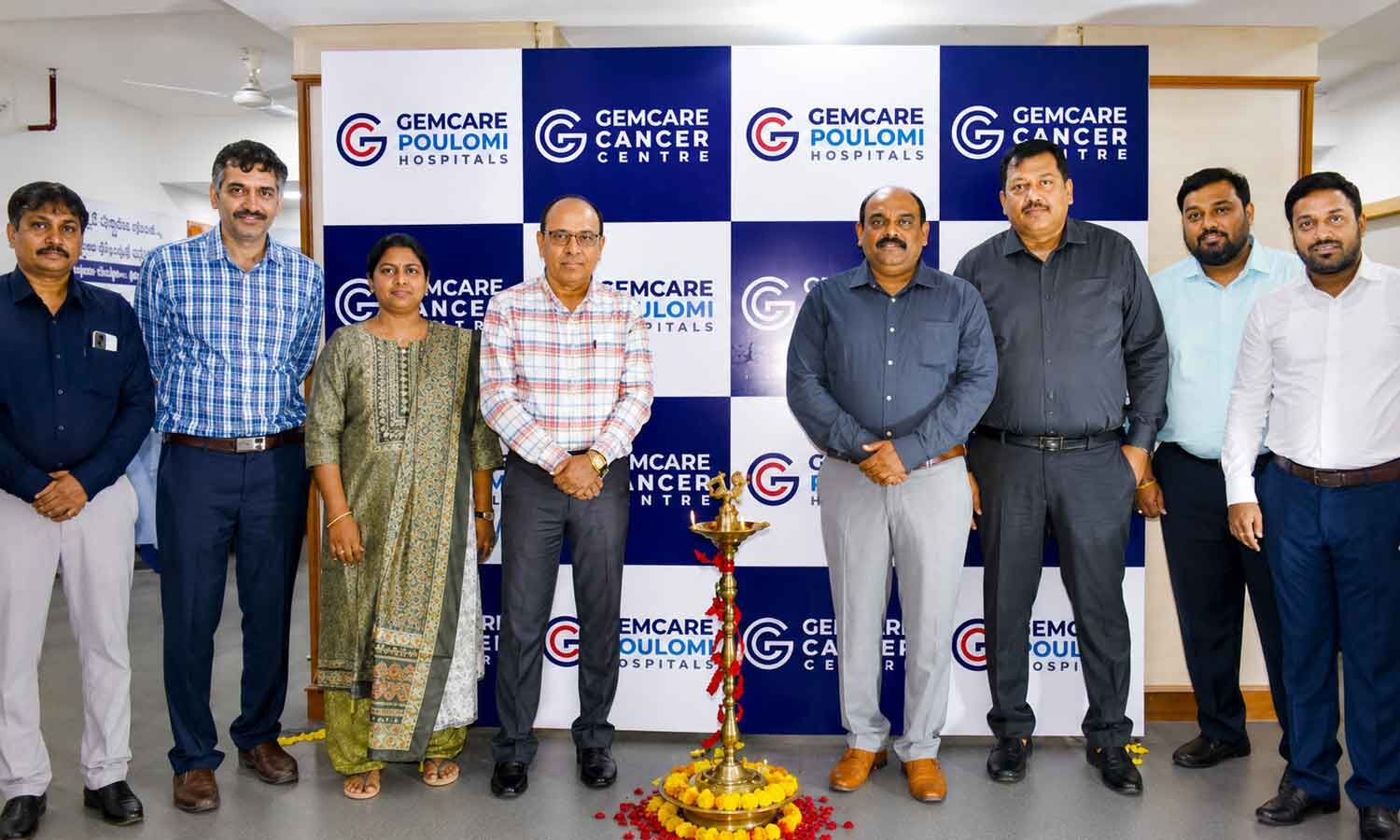
Gemcare Launches Dedicated Cancer Centre in Hyderabad for Coordinated Care

Lilavati Hospital to Open First Overseas Centre in Kazakhstan

India's Medical Tourism Sector Eyes $16.2 Billion by 2030
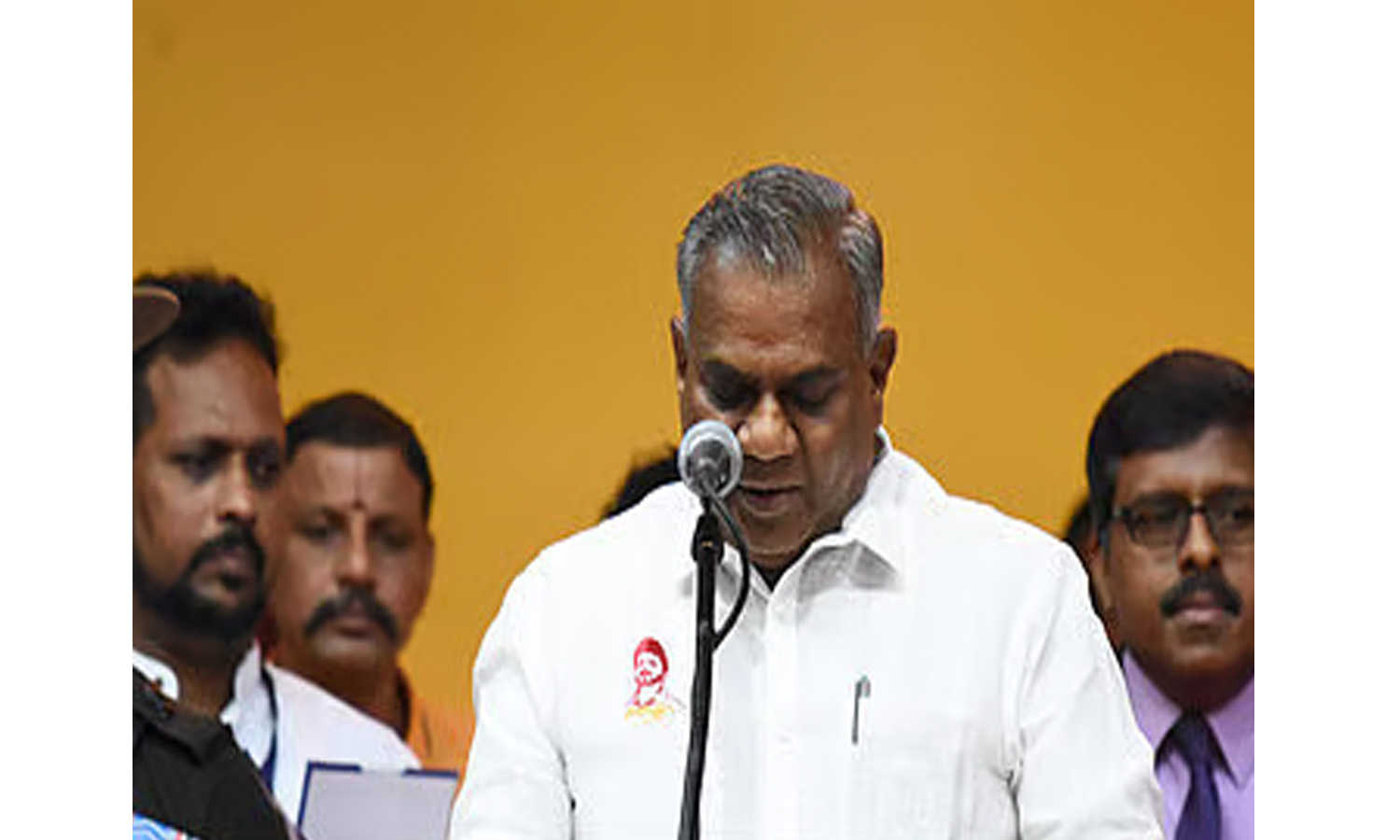
Tamil Nadu Expands Early Detection, Cancer Care and Respiratory Health
India Accounts for 68.8% of SAARC Childhood Cancer Cases

Piyush Goyal Highlights India’s Investment Opportunities in Singapore
Fortis Hospitals Mumbai Launches 'Har Ghar Hero' CPR Initiative

IHH Healthcare Expands India Capacity to 7,000 Beds by 2028
SEBI Approves IHH Healthcare's Fortis Stake Acquisition