2 hrs ago
Food nutrients mimic calorie restriction, but healthspan benefits remain unproven
Scientists are studying whether certain nutrients can imitate some effects of eating fewer calories.
Eating much less can improve some health measurements, but it is difficult to maintain and may reduce muscle and bone density.
Special nutrients called calorie-restriction mimetics may affect how cells repair themselves and make energy.
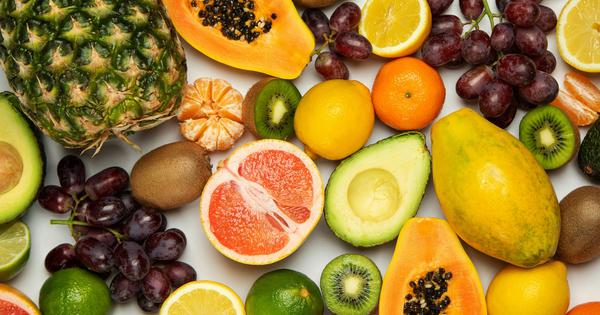
These nutrients are found in foods such as mushrooms, nuts, berries, onions and pomegranates.
Human studies have shown mixed results.
Some supplements helped measures like muscle endurance or strength, while others did not improve memory or walking ability.
The studies also do not prove that these nutrients help people live longer or stay independent.
For now, eating a varied diet and exercising regularly are better supported ways to age well.

Calorie restriction improves some health markers in humans, but its effects on lifespan and functional healthspan remain uncertain.
Potential calorie-restriction mimetics include spermidine, resveratrol, catechins, quercetin and urolithin A.
Human trials have found mixed results, with some improvements in muscle or mitochondrial measures but no consistent benefits across primary outcomes.
Observational findings cannot prove that individual compounds cause better health, and supplement studies may not reflect effects from whole foods.
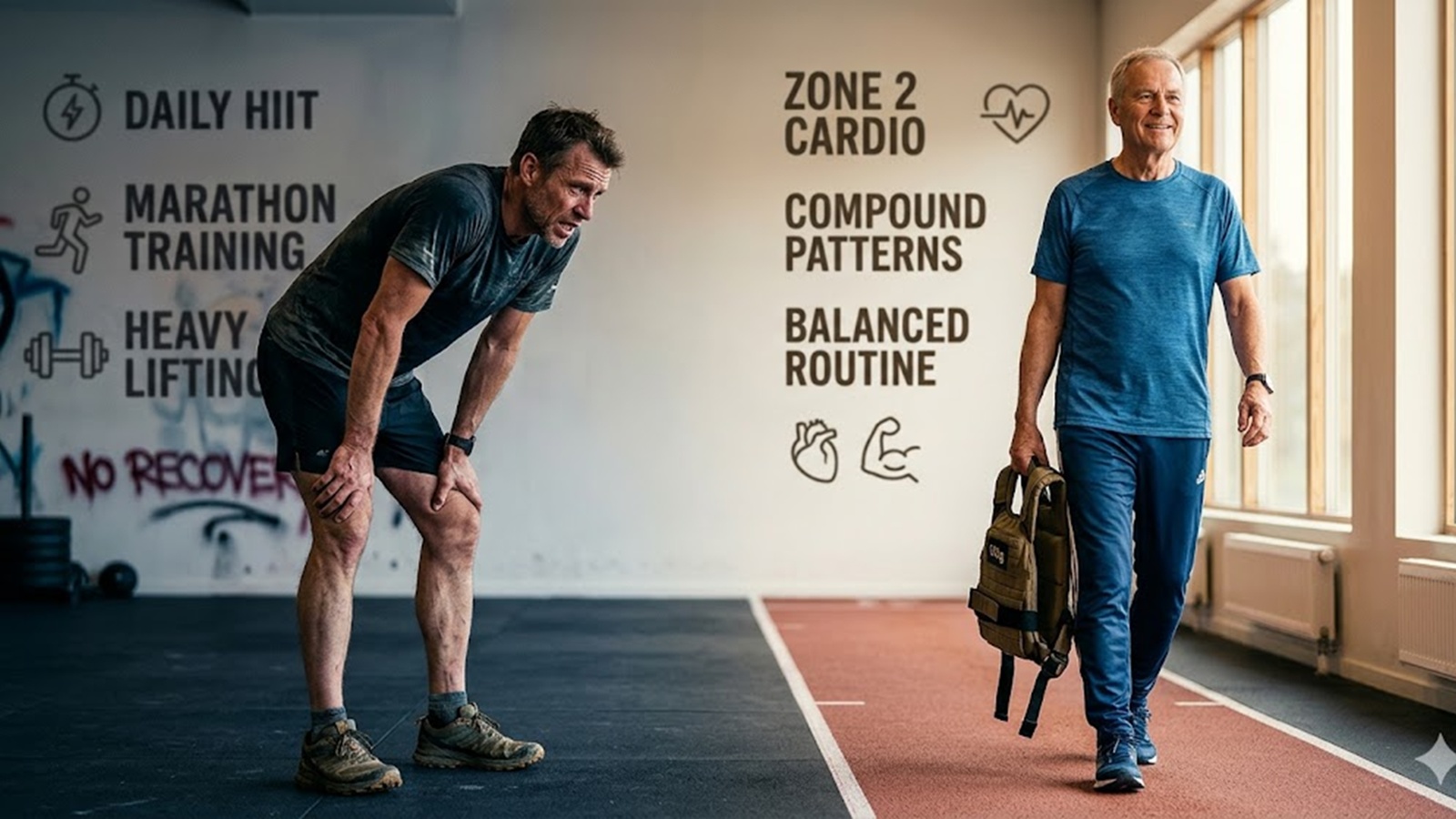
Current evidence most strongly supports varied nutritious diets, adequate protein, regular aerobic activity and strength, balance and flexibility exercises.
- Who
- Researchers studying ageing, nutrition and calorie-restriction mimetics, along with adults participating in human trials.
- What
- Scientists are investigating whether nutrients and supplements can mimic calorie restriction and improve healthy ageing or functional healthspan.
- Where
- The research includes human studies in the United States and other locations; the article was published by The Conversation.
- When
- Evidence cited includes studies from 2021, 2025 and trials lasting from six weeks to two years.
- Why
- Researchers hope to identify ways to support healthy ageing without requiring people to substantially reduce their food intake.
Key facts
- Global life expectancy
- 71.4 years in 2021, according to the World Health Organization.
- Global healthy life expectancy
- 61.9 years in 2021, leaving a gap of 9.5 years.
- CALERIE trial
- 218 healthy adults without obesity were followed for two years; calorie-restriction participants reduced intake by 12% on average.
- CALERIE outcomes
- Participants improved measures including blood pressure, insulin sensitivity and inflammation markers, while losing about 5.4 kilograms of body fat and 2 kilograms of lean mass.
- Spermidine trial
- A 12-month randomized trial of 100 older adults found no improvement in its main memory measure compared with a placebo.
- Urolithin A trial
- In 66 adults aged 65–90, supplementation improved muscle endurance and mitochondrial measures but not the main walking-distance and muscle-energy outcomes.
- Current guidance
- Older adults are advised to perform strength, balance and flexibility activities at least two days weekly, alongside regular aerobic activity.
Sources
Related news
Doctors urge balanced exercise to support healthier ageing

Why Yoga Becomes More Important for Healthy Ageing
Japan's 107,677 Centenarians Highlight Adaptable Lessons for Indian Healthy Ageing

Home Cooking Linked to Lower Dementia Risk After 65

ICMR-NIN Review Finds Diet, Exercise Sustain Weight Loss