

3 weeks ago
Should India apologise for caste injustice, like Nepal did?
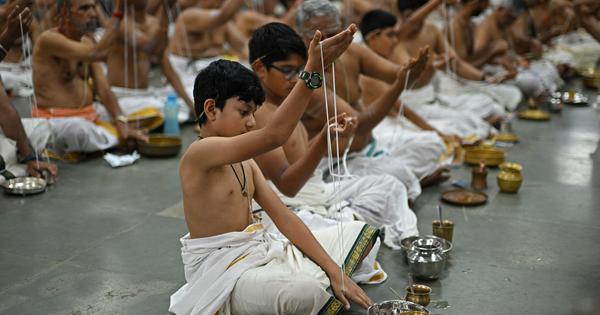
Imagine that for hundreds of years, some people in a country were treated unfairly just because of the family they were born into.
In India, this system is called caste, and it decided who could go to school, own land, or even use the same water.
The government has tried to help by giving some groups extra chances, but many people say the old unfairness still exists today.
One neighbouring country, Nepal, said 'sorry' in a big official way to the people who were treated badly.
Now some people in India are asking, 'Why don't we say sorry too?'
A leader named Chandrashekhar Azad asked this question in Parliament in April.
Some people online started a campaign called 'Reservation Hatao Movement' saying the special help should stop so everyone competes fairly.
Others say saying sorry is not enough - the country should also fix the damage caused over many generations.
That could mean teaching true history in schools and building museums to remember what happened.
Saying sorry is a start, but fixing the problem matters more.

A 'Reservation Hatao Movement' social media campaign gained visibility in late July, calling for the abolition of caste-based reservations so 'merit' can prevail.
Nepal offered a formal state apology to Dalits for centuries of caste-based oppression, drawing significant attention in India.
In April, MP Chandrashekhar Azad asked in Parliament when India would apologise to Dalits for centuries of injustice.
The article argues a formal apology risks becoming a 'soft substitute' for justice and instead advocates reparation for historical caste wrongs.
Ongoing caste discrimination cited includes parents boycotting an anganwadi in Odisha's Kendrapada district since November 2025 over a Dalit cook and the assault of a Dalit groom in Madhya Pradesh.
- Who
- Dalit communities in India; MP Chandrashekhar Azad raised the issue in Parliament; Nepal set the precedent by apologising to its Dalits.
- What
- A debate over whether India should formally apologise to Dalits for centuries of caste injustice, with the article arguing that reparation, not just apology, is needed.
- Where
- India, with reference to Nepal's example; specific incidents in Odisha's Kendrapada district and Madhya Pradesh.
- When
- The Reservation Hatao Movement gained visibility in late July; Azad's Parliament question came in April; the Odisha anganwadi boycott lasted about three months from November 2025.
- Why
- To acknowledge and repair centuries of caste-based oppression that continue to shape inequality, landlessness, violence and exclusion in modern India.
Pro-reservation / Reparative justice
Anti-reservation / 'Merit' view
Caste-based reservations
Pro-reservation / Reparative justice
Reservations are necessary reparative measures that address centuries of accumulated disadvantage and structured deprivation.
Anti-reservation / 'Merit' view
Caste-based reservations should be abolished so that 'merit' and equal competition can prevail; the 'Reservation Hatao Movement' campaigns for this.
Apology versus reparation
Pro-reservation / Reparative justice
A formal apology is inadequate unless backed by reparative measures such as truthful curricula, memorialisation and redistribution.
Anti-reservation / 'Merit' view
An apology alone can serve as public acknowledgement of caste oppression, though it risks becoming a symbolic 'soft substitute' for material justice.
Historical accountability
Pro-reservation / Reparative justice
Dominant-caste individuals and institutions that benefited from caste must acknowledge inherited advantages and repair historical wrongs.
Anti-reservation / 'Merit' view
A common upper-caste refrain is 'Why should I have to pay for something my ancestors did?', with many believing caste is a relic of a bygone time already addressed by social justice policies.
Key facts
- Movement
- Reservation Hatao Movement - social media campaign calling for abolition of caste-based reservations, visible since late July
- Nepal's action
- Formal state apology to Dalits for centuries of caste-based oppression
- Parliament question
- MP Chandrashekhar Azad asked in April when India would apologise to Dalits
- Odisha incident
- Parents boycotted an anganwadi in Kendrapada district for about three months since November 2025 after a Dalit cook was hired
- Madhya Pradesh incident
- Four men pulled a Dalit groom off a horse and assaulted him earlier this year
- Key scholar referenced
- Martha Minow, 'Between Vengeance and Forgiveness'
- Key writer referenced
- Ta-Nehisi Coates, 'The Case for Reparations'
- Ambedkar's ideal
- Fraternity means dismantling social hierarchies so citizens relate as equals
Quotes
Unidentified upper caste member
A member of an upper caste expressing resistance to accountability
“"Why should I have to pay for something my ancestors did?"”
 scroll.in
Sources
Related news
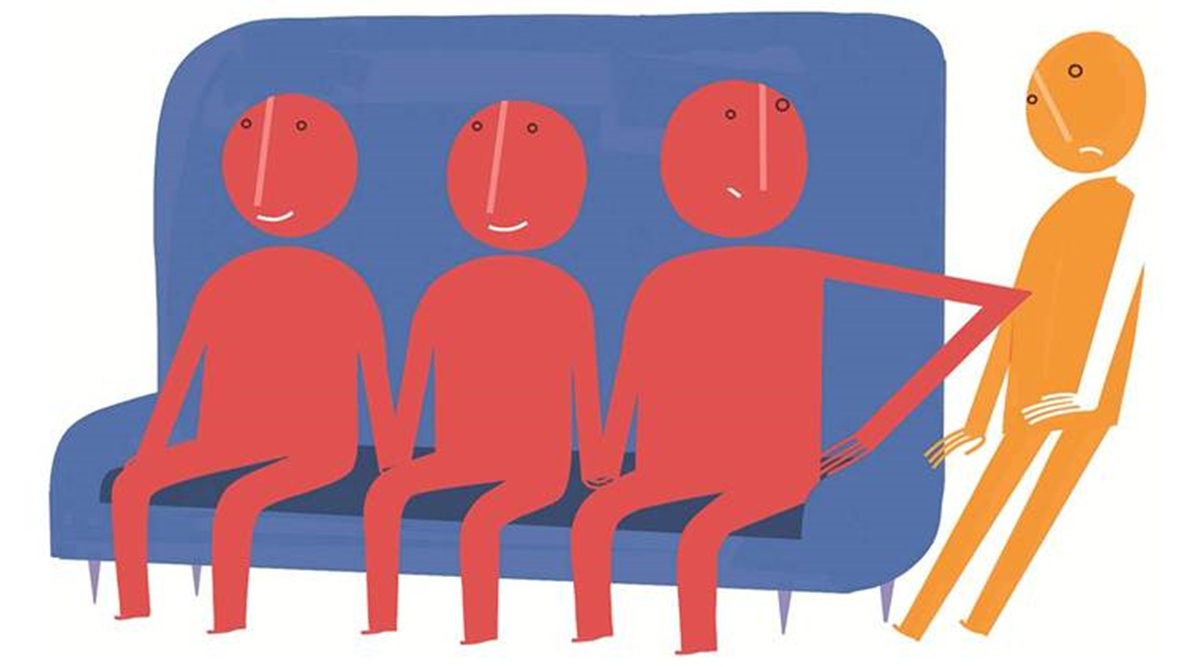
Before Ending Reservations, Ask Whether Caste Discrimination Has Ended

India Upfront Debates Reservation Reform, Caste, Merit And Social Justice

Chirag Paswan Defends Reservation Amid Jantar Mantar Protests

Chirag Paswan Says He’ll Help Upper Castes Seek Justice
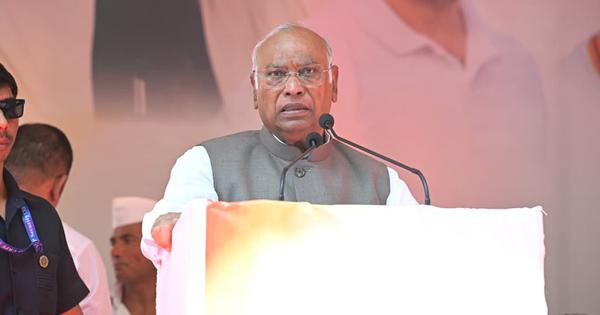
Dalit leader Kharge's stage 'purified' after Haldwani rally sparks outrage

Caste Shapes India’s Water Crisis Amid Climate Stress
Landslides Threaten Nainital Homes as Uttarakhand Rain Continues

Flash Flood Devastates Nepal's Bhotekoshi River Region
Nepal Families Seek Missing Loved Ones After Deadly Flash Floods

Nepal Flood Death Toll Passes 1,200 Amid Ongoing Search
Nepal Flood Death Toll Tops 1,200 as Searches Continue