1 hr ago
GST Process Reforms Aim to Unlock Business Working Capital
The GST Council recommended changes to how businesses can get back some tax credits.
These changes could help businesses get money tied up in tax credits back sooner.
Some refunds will cover input services, and others will cover capital goods, with different start dates.
The capital-goods refund will be spread over 60 months.
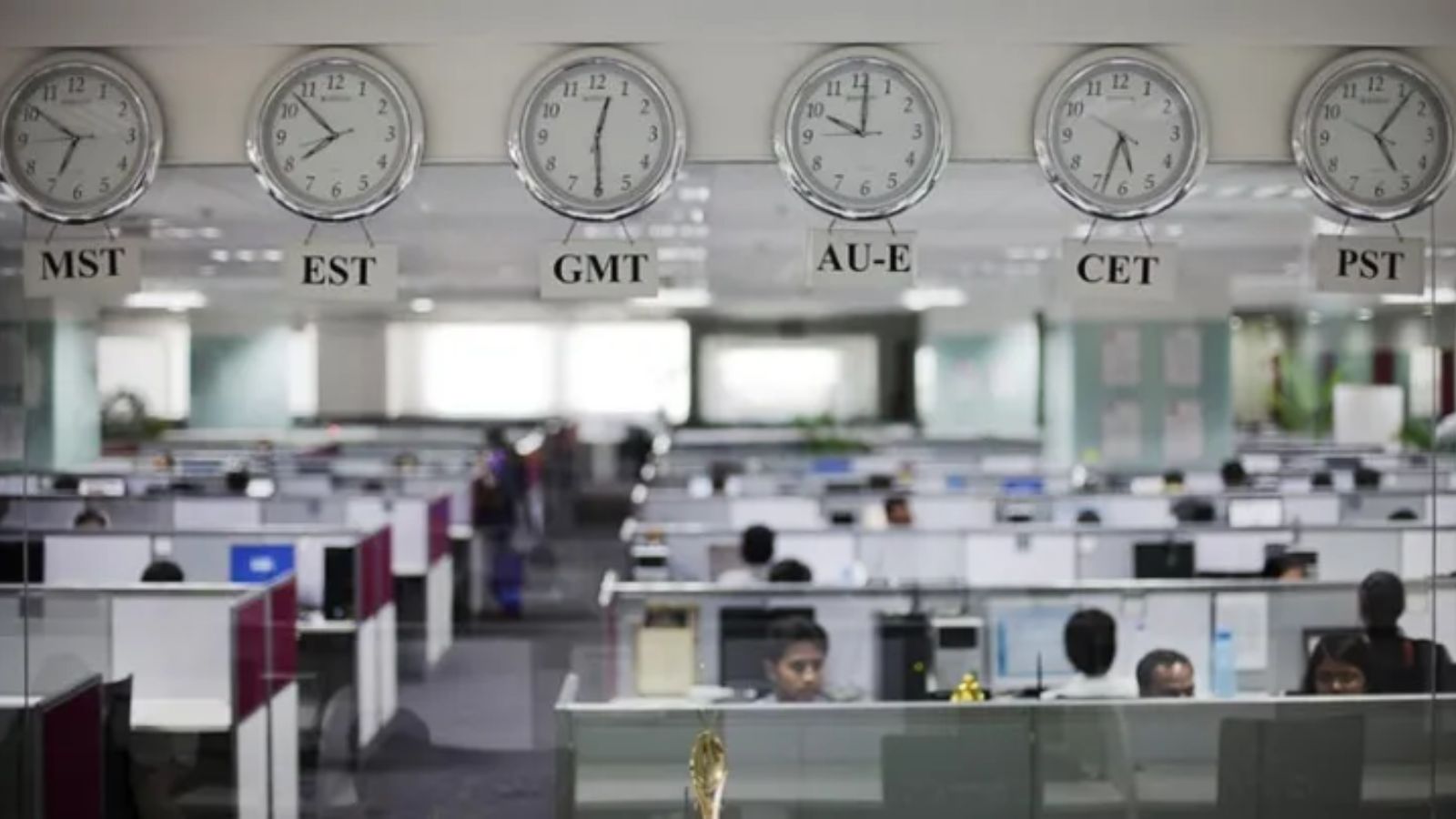
The Council also recommended changing rules for some services sold to customers abroad.
Work such as testing or research may qualify as an export when the customer is overseas.
The Council also clarified that certain deliveries made by unregistered riders through online platforms have a 5% GST rate.
The article says the Council did not discuss tax rates at its meeting.

The GST Council recommended changes to allow refunds of accumulated input tax credit on capital goods and input services in specified cases.
Capital-goods credit refunds are to be spread over 60 months, with the change taking effect from April 2027.
Refunds for input services under the inverted duty structure can be claimed from November 1, 2026, according to Finance Minister Nirmala Sitharaman.
Changes to export-of-services rules are intended to align GST treatment with practice and cover qualifying work billed through overseas branches.
The Council clarified that delivery services by unregistered riders through e-commerce platforms will attract GST at 5%.
- Who
- The GST Council; Finance Minister Nirmala Sitharaman announced the implementation dates.
- What
- The Council recommended GST process changes affecting input tax credit refunds, exports of services, and delivery services through e-commerce platforms.
- Where
- India.
- When
- The recommendations were made on Thursday; the specified changes begin November 1, 2026, and April 1, 2027.
- Why
- The changes are intended to ease accumulated tax credits, align export-of-services treatment with practice, and clarify GST treatment for platform delivery services.
Earlier treatment
Recommended clarification
Export of services
Earlier treatment
A legal condition could prevent some services billed through a company’s overseas branch from receiving export benefits; some work was treated according to where it was performed.
Recommended clarification
The recommendation removes the cited condition and makes the customer’s location relevant for the described work, allowing qualifying services to receive export treatment.
E-commerce delivery tax
Earlier treatment
Platforms using different commercial and contractual arrangements interpreted the same provision differently, resulting in different tax treatment for similar deliveries.
Recommended clarification
The clarification says the tax should depend on the service actually delivered; delivery services by unregistered riders through platforms will carry a 5% rate.
Key facts
- Capital-goods refund
- Accumulated input tax credit refunds will be spread over 60 months.
- Capital-goods start date
- The change is to take effect from April 2027.
- Input-services start date
- Input-services refunds under the inverted duty structure can be availed from November 1, 2026.
- Export services
- The Council recommended aligning GST treatment with practice, including qualifying services billed through an overseas branch.
- Delivery-services GST
- The rate clarified for delivery services by unregistered riders through e-commerce platforms is 5%.
- Sectors cited
- FMCG, pharmaceuticals, food, analytics, design, engineering consultancy, testing, certification, repair, calibration, research, and analysis were cited as potentially affected.
Quotes
A government official
Official explaining the GST treatment of services supplied to foreign customers
“Platforms built on different commercial models have been reading the same provision differently, so the same delivery to the same customer has carried tax differently depending on how the platform arranges its contracts. The tax on a booking will turn on the service that is actually delivered. The same delivery will bear the same tax, whichever way it is routed.”
 indianexpress.com
“It will now follow the location of the customer, and such work therefore qualifies as an export. This opens the whole field of testing, certification, repair, calibration, research, and analysis to export treatment, and India has substantial capacity in all of them.”
indianexpress.com

Abhishek Jain
Indirect Tax National Head and Partner at KPMG in India
“Including input services in inverted duty refunds from 1 November 2026, and plant and machinery from 1 April 2027, is a big step, and it will help fully achieve the objective of the recent rate rationalisation, which benefited consumers but left many businesses with accumulated credit.”
indianexpress.com
Sources
Related news
GST Council Weighs Faster Refunds and Fuller Exporter Credits

GST Council Clears Procedural Overhaul, Keeps Rates Largely Unchanged
GST Council Weighs Major Compliance Relief for Businesses
GST Council to Prioritize Process Reforms Over Rate Changes
GST 2.0 to Focus on Faster Refunds and Simpler Compliance
GST Council to Consider Major Process and Compliance Reforms

UK Permanent Hiring Reaches Four-Year High as Recovery Begins

Codelco Probes Possible Double Counting in Copper Production

Delhi Approves 382 Sites for Electric Vehicle Charging Infrastructure

Why India Still Lacks a Home-Grown Big Four