1 hr ago
Why India Still Lacks a Home-Grown Big Four

India has many chartered accountants, but it does not yet have a large home-grown firm like the Big Four.
The Big Four are EY, KPMG, Deloitte and PwC.
They have Indian partner firms that provide auditing and consulting services.
Indian CA firms are usually small, and very few have many partners.
Older rules limited advertising and prevented firms from raising money from outside investors.
Some government contracts also required firms to have very high revenue or extensive experience.
Newer merger rules and possible legal changes may help firms join together and become bigger.
The Institute of Chartered Accountants of India also tried to increase disclosure about links with overseas networks, but those rules were put on hold.
The debate is about whether Indian firms can gain the capital, scale and market access needed to compete with global networks.

EY, KPMG, Deloitte and PwC generated an estimated ₹51,000–52,000 crore in India in FY26, up from ₹38,500–38,800 crore in FY24.
India had 100,138 registered CA firms in October 2025, but only 2,129 had six or more partners.
Restrictions on advertising and outside investment limited Indian firms’ ability to build scale and consolidate.
Government tenders requiring high turnover and prior experience have often made it harder for smaller firms to compete.
Proposed CA Act changes, firm mergers and tax measures could help Indian accounting and advisory firms grow larger.
- Who
- Indian chartered-accountancy firms, the global Big Four networks, the Institute of Chartered Accountants of India and government agencies.
- What
- India’s large CA talent pool has not produced a home-grown audit or consulting firm comparable in scale to the Big Four.
- Where
- India, including government procurement and Maharashtra’s consultancy market.
- When
- The comparison covers revenue through FY26, firm data through October 2025, and regulatory developments through July 2026.
- Why
- Indian firms face fragmentation, limits on outside capital, procurement barriers and regulatory constraints that make it difficult to build scale.
Scale and disclosure reforms
Regulatory and network concerns
How Indian firms should grow
Scale and disclosure reforms
Supporters argue that mergers, groupings of firms and access to outside capital could help Indian accounting and advisory firms build scale.
Regulatory and network concerns
Existing rules and professional structures have limited consolidation and external investment, while firms remain highly fragmented.
Disclosure of overseas network links
Scale and disclosure reforms
ICAI’s 2026 guidelines sought formal registration and disclosure of relationships, revenue, staffing and payments involving overseas networks.
Regulatory and network concerns
Global networks resisted disclosure of sensitive information such as royalty structures, technology-licensing fees and fee-sharing arrangements; the guidelines were later put on hold.
Government consultancy tenders
Scale and disclosure reforms
Lowering turnover thresholds and removing prior public-sector experience requirements, as Maharashtra did, can broaden competition for smaller firms.
Regulatory and network concerns
Some departments continue to use high turnover, staffing and prior-experience requirements, which the Department of Expenditure said may unduly restrict competition.
Key facts
- Big Four firms
- EY, KPMG, Deloitte and PwC
- Big Four India revenue, FY26
- Estimated at ₹51,000–52,000 crore
- Registered CA firms
- 100,138 as of October 2025
- CA firms with six or more partners
- 2,129
- CA firms with more than 50 partners
- 10, according to 2022 ICAI data
- Listed-company audit concentration
- 25 firms audited 10 or more listed companies in FY26, while 649 audited only one
- Global Networking Guidelines
- Placed on hold by ICAI on July 15, 2026
Sources
Related news
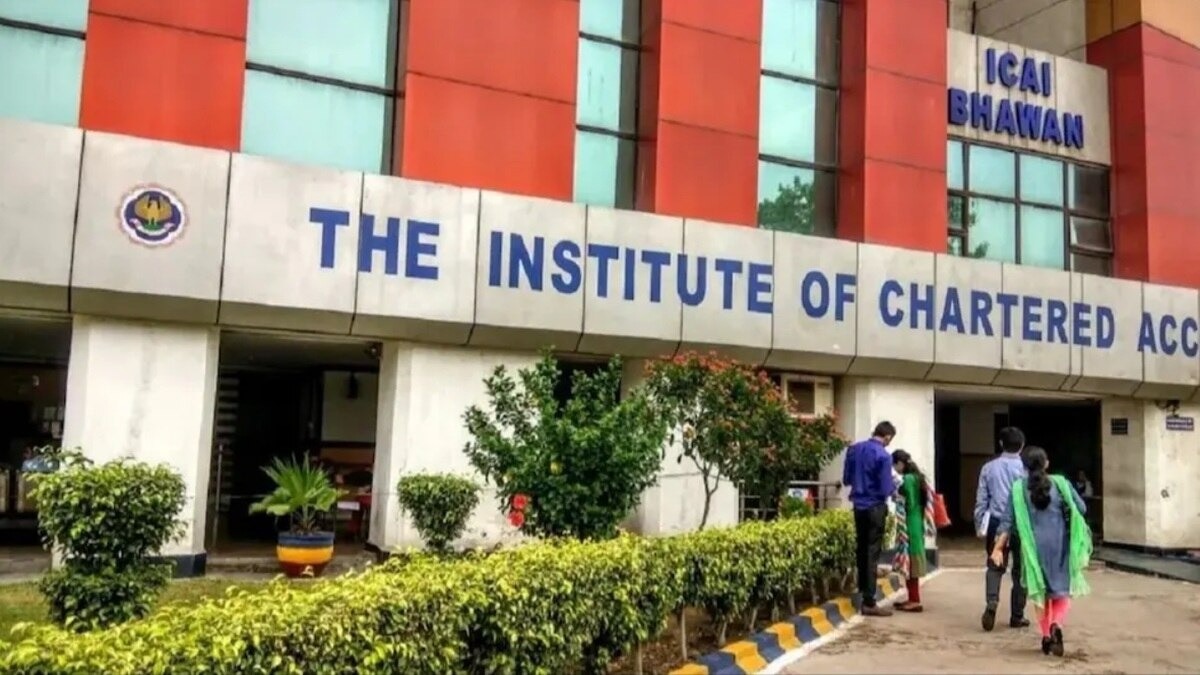
ICAI Plans Reforms to Expand India’s Homegrown Accounting Firms

PwC US and India Create Joint Consulting Venture

PwC Sets Template as Rivals Weigh India’s Advisory Strategies

Indian Companies Boost CA, CS Hiring Despite Falling Exam Applications

Big Four Alumni Build Boutique Consulting Rivals for Startups
PwC India and US Plan 40,000-Employee Advisory Joint Venture

TER Plan 2047 Links Space, Defence, Industry and Tourism

Kovind Warns Illicit Trade Is Exploiting Legitimate Supply Chains

Fed Raises Rates as Inflation Mounts, Defying Trump

Can Fin Homes Unveils ₹296.95-Crore Project Tejas Transformation Programme