3 weeks ago
From Baikunthapur to Yorktown: North Bengal's historic link and revival
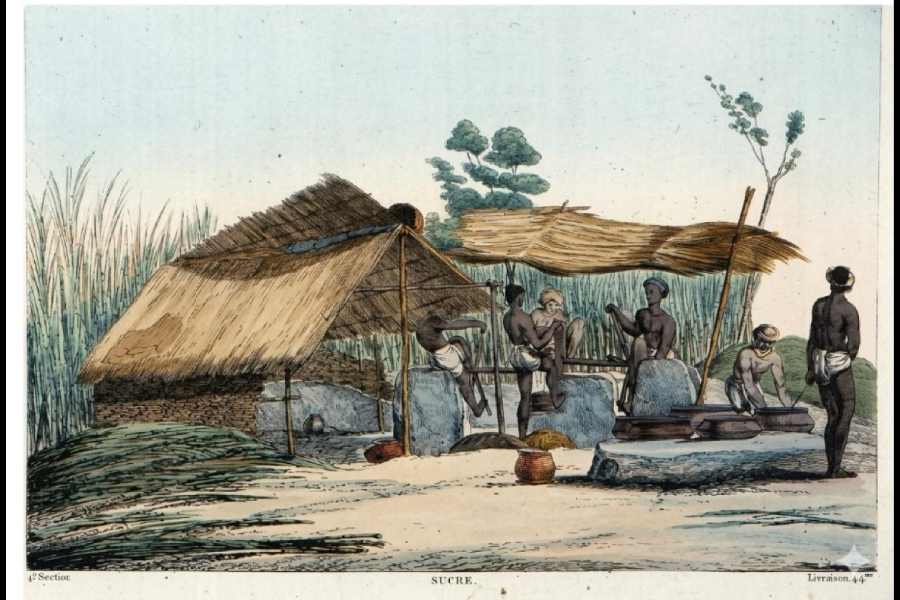
A very long time ago, a company from Britain took charge of collecting taxes in a place called Bengal, in India.
It forced farmers to grow crops like indigo and opium instead of food, so when a drought came in 1770, there was nothing to eat.
A terrible famine killed about ten million people, and much of Bengal's money stopped flowing to Britain.
Britain became poor and angry, and it tried to get money back by taxing tea in America.
The Americans were so upset that they threw a huge load of tea into Boston harbor in 1773, and this helped start the American fight for freedom.
Around the same time, brave people in Bengal also rose up against the company, but their rebellion was crushed and mostly forgotten.
An expert named Prasenjit K. Basu says North Bengal never grew rich like the United States did.
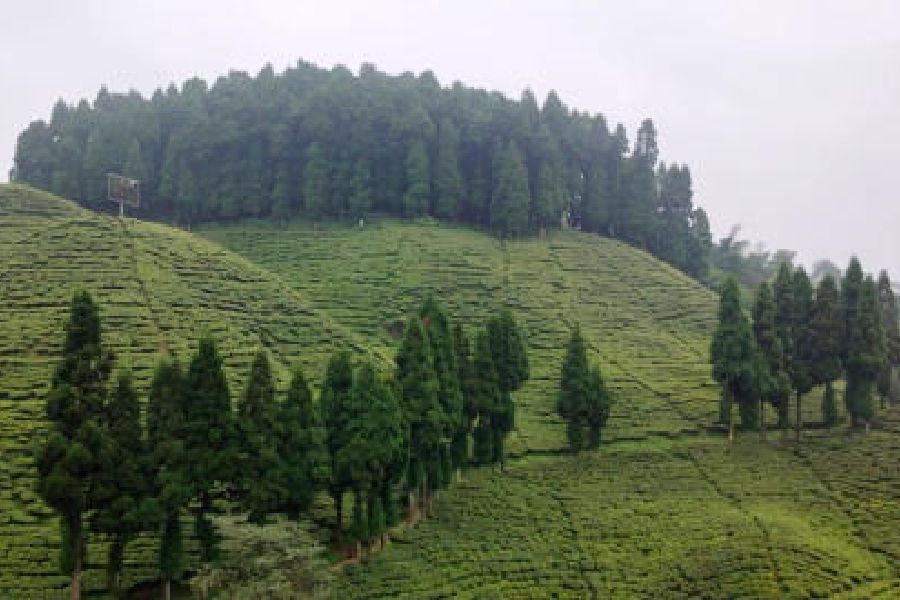
He suggests new ideas such as tea tourism, a heritage trail, making clothes, and growing special fruits to give the region new jobs.
With these changes, he hopes North Bengal can finally catch up with the rest of India.

A 1770 famine in Bengal and Bihar, worsened by British East India Company policies and forced cash-crop cultivation, killed about 10 million people and collapsed Bengal's revenue.
The loss of gold from Bengal triggered a British recession that led to the Tea Act of May 1773 and the Boston Tea Party in December 1773, helping spark the American Revolution.
The Sannyasi Rebellion, centred in North Bengal's Baikunthapur forest, harried the British for decades but was crushed and its fighters were branded 'bandits' by colonial accounts.
The rebellion later inspired Bankim Chandra Chattopadhyay's novel Ananda Math and the national song 'Vande Mataram', while North Bengal remained a neglected, tea-dependent economy.
Economist Prasenjit K. Basu proposes tea tourism, a 'Vande Mataram Trail', garment manufacturing, horticulture and global capability centres to revitalise North Bengal.
- Who
- Economist and historian Prasenjit K. Basu in The Telegraph India; historical figures include George Washington, Lord Charles Cornwallis and Bankim Chandra Chattopadhyay.
- What
- An analysis linking the 1770 Bengal famine and the Sannyasi Rebellion to the American Revolution, plus a proposal to economically revive North Bengal through tourism, garments, horticulture and global capability centres.
- Where
- Baikunthapur forest in North Bengal (Jalpaiguri district and nearby Rangpur), Bengal and Bihar, Boston harbor, Yorktown, and Calcutta.
- When
- The column was framed around the US celebration of the 250th anniversary of its Declaration of Independence on July 4; the historical events it covers span 1770 to 1793.
- Why
- Because the collapse of revenue from Bengal caused a British recession that drove the Tea Act and the Boston Tea Party, while North Bengal's economy has since remained underdeveloped and needs diversification.
Key facts
- 1770 famine death toll
- About 10 million people in Bengal and Bihar, roughly a third of the province's population
- Sannyasi Rebellion location
- Baikunthapur forest, North Bengal (Jalpaiguri district and nearby Rangpur)
- Tea Act
- Passed in May 1773
- Boston Tea Party
- December 1773
- Battle of Yorktown
- October 1781
- Permanent Settlement
- Enacted by Lord Cornwallis in 1793
- Tea sector wages vs prices
- Wages rose five-fold over two decades while auction prices only doubled
- National song inspired
- 'Vande Mataram' by Bankim Chandra Chattopadhyay
Sources
Related news

Bengal’s Lost Commercial Heritage Revisited Through Historical Fiction
CII maps new opportunities for Bengal's economic revival across sectors
West Bengal Finance Minister Warns of Decades-Long Economic Decline
How Charnock’s Riverbank Decision Shaped Kolkata’s Modern Identity
Mae Salong Tea Pilgrimage Reconnects Memory, History, and Environmental Costs

Indian Tea Association Seeks Bengal Support to Revive Tea Industry

Shami Shines as East Zone Reaches Duleep Trophy Final

Bengal Reports Over 4,000 Dengue Cases, Down 50% This Year

Bengal Rolls Out QR System To Monitor Waste Segregation
LPG e-KYC Deadline Ends as 12 Lakh Users Remain Pending

Five Taal Recipes Bring Bengal’s Monsoon Fruit to Janmashtami