1 hr ago
Auto Stocks Tumble on Weak Sales, New Efficiency Rules

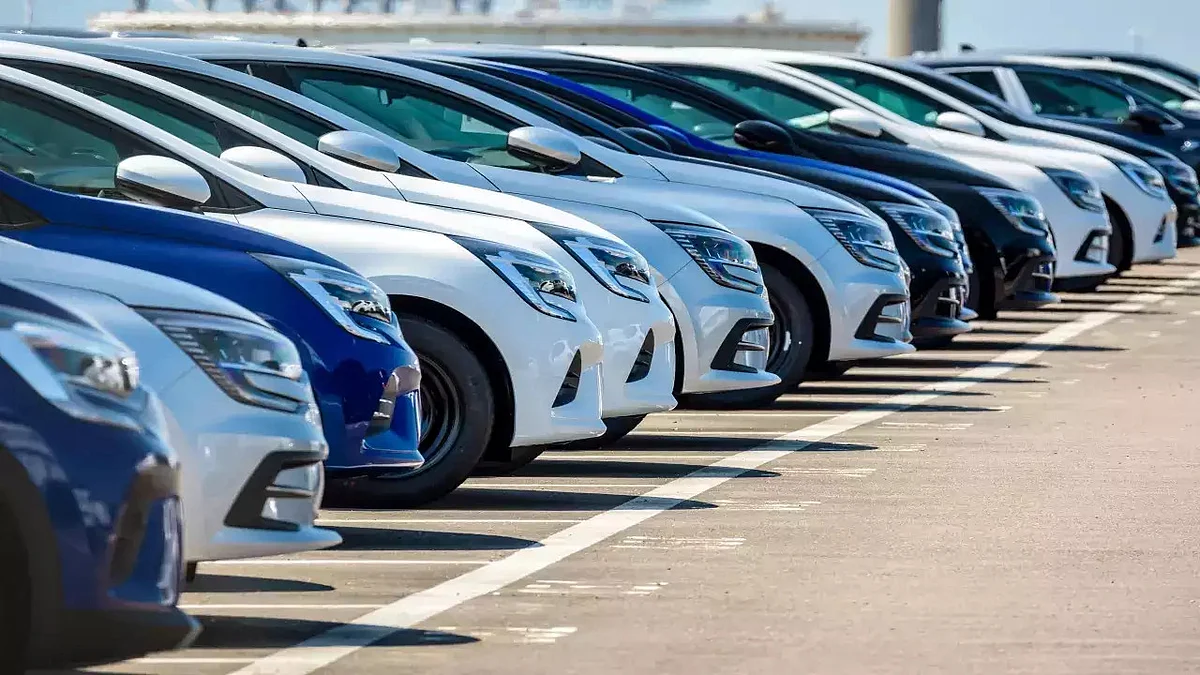
Automobile company shares in India fell sharply on Thursday.
Investors were concerned because some September sales numbers were weaker than expected.
Bajaj Auto sold more vehicles overall, but its sales inside India declined.
Mahindra & Mahindra also reported lower tractor sales, partly because the festive season comes later this year.
India has also introduced stricter rules requiring cars to use fuel more efficiently.
These rules begin in April 2027 and give extra benefits to electric, hybrid and flex-fuel vehicles.
Some analysts think demand will improve during the upcoming festive season.
They also expect dealers to stock more vehicles before the festivals.
Other analysts remain cautious because companies are facing high comparisons and new regulatory requirements.

The Nifty Auto index fell more than 3% intraday, leading sectoral losses as major automobile stocks declined.
Bajaj Auto dropped 8%, while Hero MotoCorp, Mahindra & Mahindra and Eicher Motors fell about 4% each.
Bajaj Auto’s September sales rose 5% year-on-year, but domestic volumes fell 9% and total sales missed market expectations.
India’s new CAFE rules will require a 16.7% improvement in fleet fuel efficiency between 2027-28 and 2031-32.
Brokerages remain constructive, expecting festive-season demand, inventory building and broader recovery across vehicle segments to support the sector.
- Who
- Indian automobile manufacturers, auto-ancillary companies, investors and brokerages including Emkay Global and JM Financial.
- What
- Automobile stocks declined sharply after mixed September sales data and the notification of stricter passenger-vehicle fuel-efficiency standards.
- Where
- India’s stock market and automobile sector.
- When
- Thursday; the new CAFE rules take effect on April 1, 2027, covering 2027-28 through 2031-32.
- Why
- Weak or below-expectation sales from some automakers weighed on sentiment, while the new efficiency requirements raised concerns about future compliance; brokerages cited festive demand as a potential support.
Sector Risks
Sector Recovery Case
Near-term sales momentum
Sector Risks
September results were mixed: Bajaj Auto missed Street expectations, its domestic sales declined, and Mahindra & Mahindra’s tractor volumes fell 21%.
Sector Recovery Case
Emkay Global expects broad-based recovery across commercial vehicles, passenger vehicles and two-wheelers, while the festive period could sustain demand.
Regulatory impact
Sector Risks
The new CAFE standards require a 16.7% improvement in fleet fuel efficiency over five years, creating tighter compliance requirements for automakers.
Sector Recovery Case
Automakers have multiple compliance routes, including ethanol-blended petrol, biofuels, compressed biogas and super credits for electrified and flex-fuel vehicles.
Inventory and growth outlook
Sector Risks
A high comparison base and changing festive-season timing could make year-on-year growth rates difficult to sustain.
Sector Recovery Case
JM Financial expects dealers to build inventory before the festive season, while Emkay sees support from replacement demand and easing GST-related pressures.
Key facts
- Nifty Auto performance
- The index fell more than 3% intraday and was the biggest sectoral decliner.
- Biggest stock decline
- Bajaj Auto fell 8%.
- Bajaj Auto September sales
- Total sales increased 5% year-on-year to 538,443 units, while domestic sales fell 9% to 294,456 units.
- Mahindra & Mahindra sales
- Total auto sales rose 15% including exports, while tractor sales declined 21% to 52,100 units.
- CAFE efficiency target
- The fleet fuel-consumption benchmark tightens from 3.996 litres per 100 km in 2027-28 to 3.3273 litres per 100 km in 2031-32.
- CAFE implementation
- The third phase applies from April 1, 2027, through the 2031-32 financial year.
- Alternative-fuel incentives
- Battery electric, range-extended electric, plug-in hybrid, strong hybrid and flex-fuel vehicles receive super credits.
Sources
Related news

Auto stocks plunge despite strong August sales and demand outlook

Bajaj Auto Shares Slide Despite September Sales Growth

Auto Stocks Face September Dip as Investors Weigh Festive Demand

Auto Stocks Gain Ahead of September Sales Data

Indian Auto Sales Surge as Major Carmakers Post Growth

Brokerages Favor Indian Auto Stocks as Truck Sales Surge

Bhopal Reports 28 Cyber Frauds, Losses Exceed ₹29 Lakh

India Notifies CAFE-III Rules With New Vehicle Efficiency Targets
Indian Oil’s Gujarat Refinery Plans Polypropylene Production by Fiscal Year-End

CAFE-III Wins Industry Backing Amid Debate Over EV Ambition