2 weeks ago
Why aircraft carriers matter more than ever for India's navy
India is a big country that sticks out into the ocean.
Almost everything India buys and sells travels on big ships — more than 9 out of every 10 things.
Even most of the oil that powers homes and factories comes by sea.
If the sea roads are blocked, people can run out of fuel and food very quickly.
Some of these sea roads pass through narrow spots called choke points, where ships have to squeeze through.
Planes that live on land can't stay far out at sea for very long.
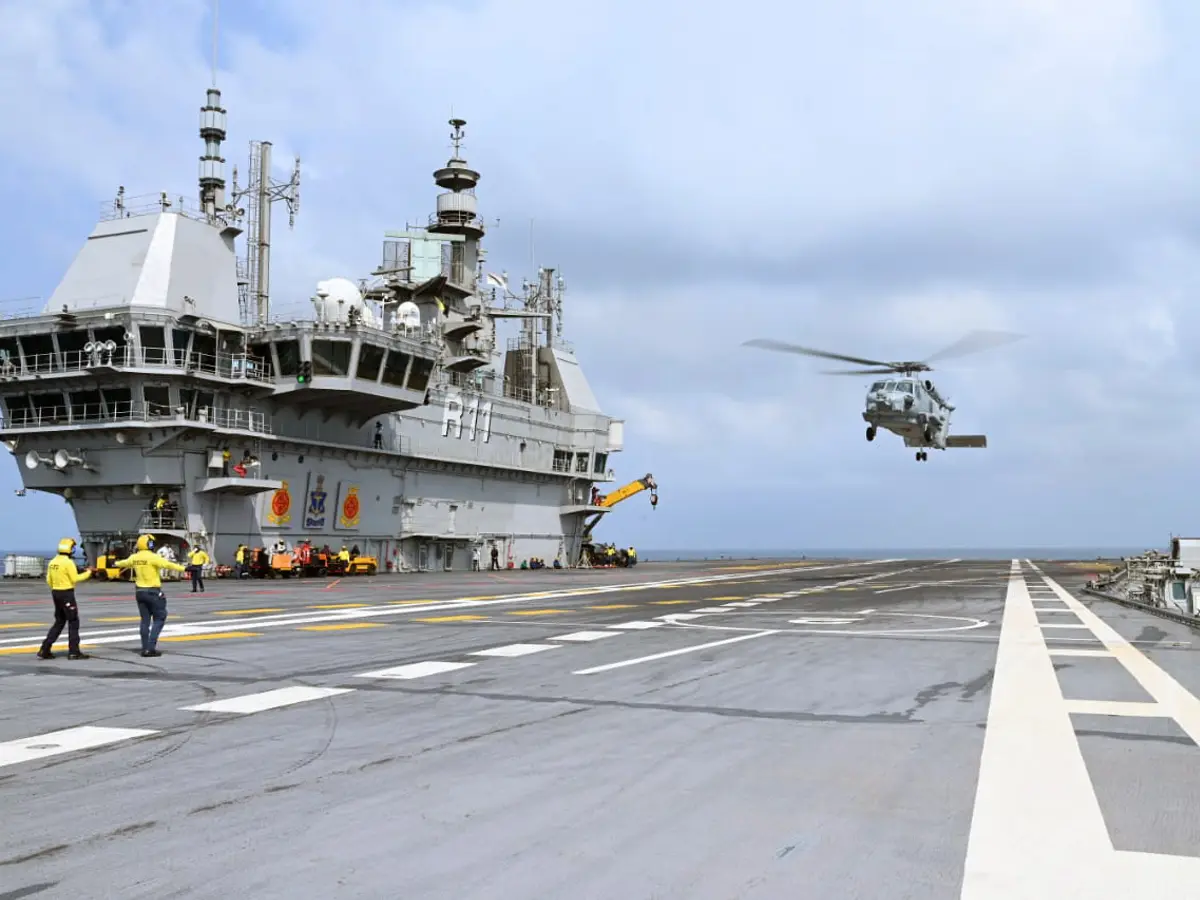
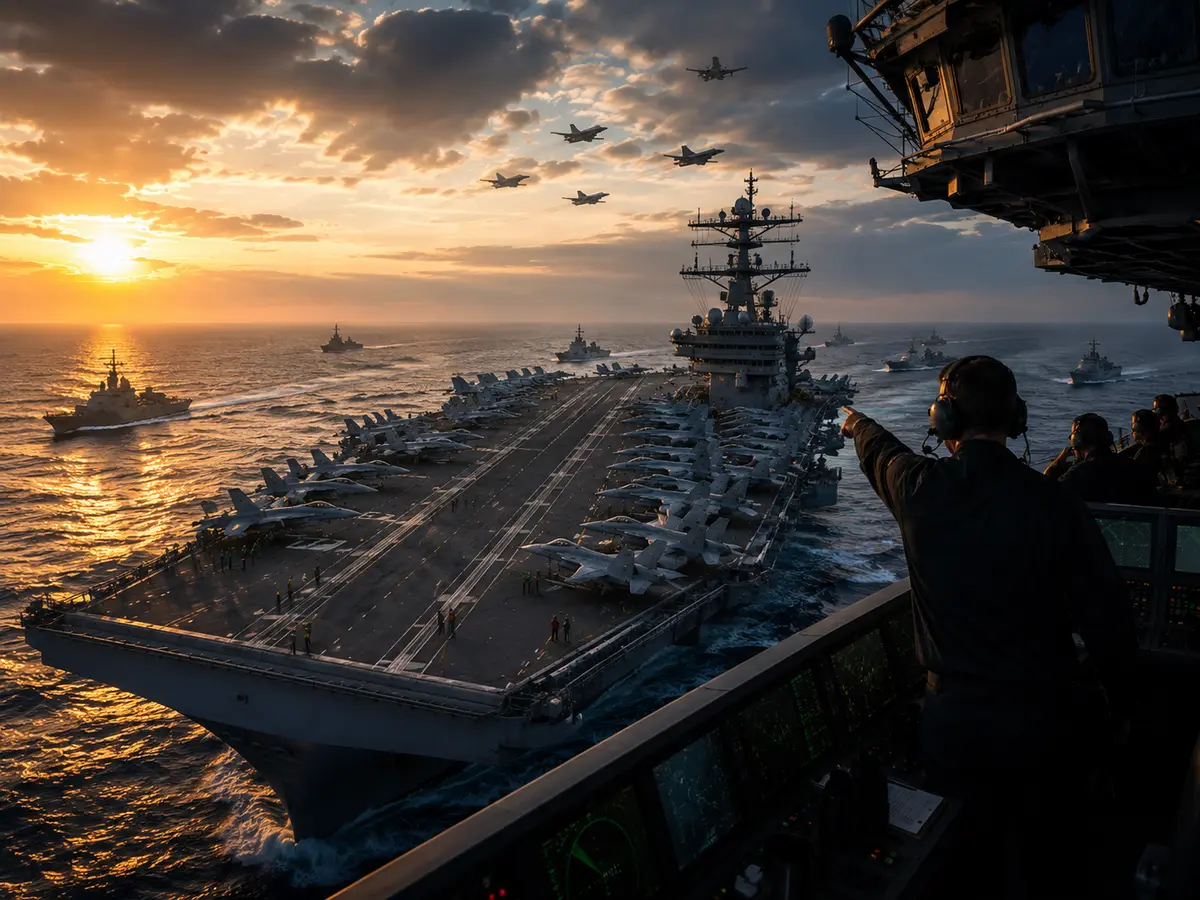
That's why India has aircraft carriers — huge ships that are like floating airports.
They bring their own planes, protection, and a command centre wherever they sail.
When danger appears, carriers can help guard the supply ships or simply show that help is nearby.
India has two carriers now and wants more ships to keep these important sea roads safe.

More than 90% of India's trade by volume and over 85% of its crude oil move by sea.
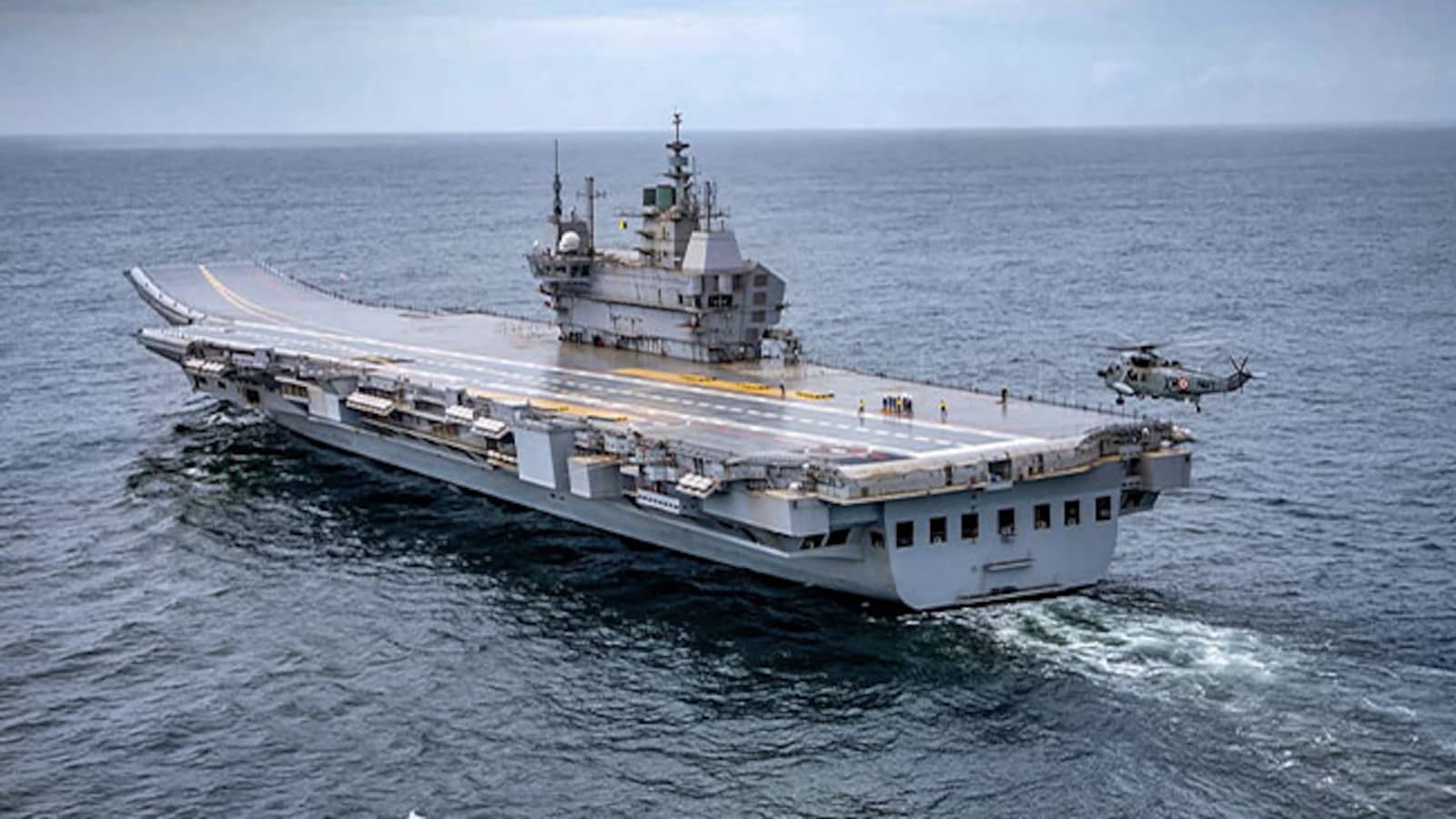
India operates two aircraft carriers, the Vikramaditya and the Vikrant, which bring aircraft, air defences and a command centre to distant waters.
An Indian-flagged cargo ship was struck and sank in early August 2026 amid Houthi attacks near Yemen; its crew was rescued.
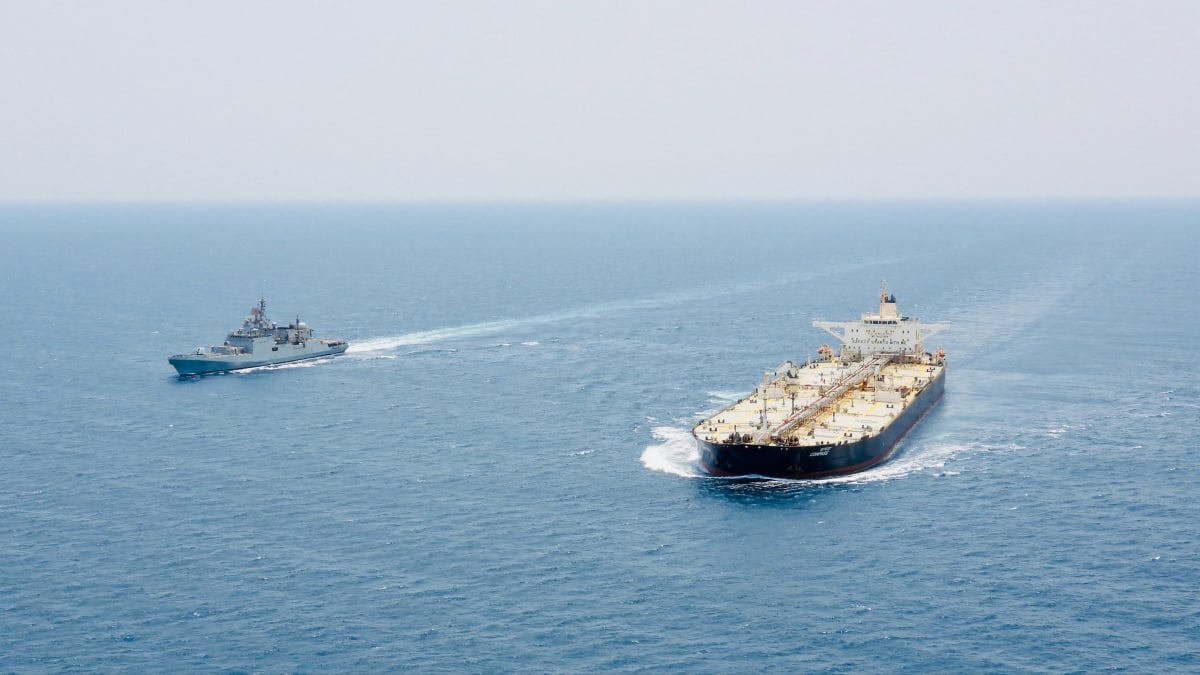
Indian warships escorted tankers through Bab el-Mandeb, and the earlier 2026 West Asia conflict closed the Strait of Hormuz, sharply raising oil prices.
India's navy aims to expand to 175-200 ships by 2035, with more than 50 ships under construction and a second home-built carrier awaiting full approval.
- Who
- India's navy, which operates the aircraft carriers Vikramaditya and Vikrant amid regional attacks on shipping.
- What
- A case for why aircraft carriers are essential for India to protect its sea-borne trade and project naval presence across the Indian Ocean.
- Where
- The Indian Ocean and its key chokepoints: the Strait of Hormuz, the Red Sea-Suez route, the Strait of Malacca and Bab el-Mandeb.
- When
- Events cited span 2026, including an Indian-flagged ship sinking in early August 2026 and the closure of the Strait of Hormuz earlier that year.
- Why
- Because more than 90% of India's trade and over 85% of its crude oil travel by sea, and recent attacks and conflicts have threatened those routes.
Key facts
- India's trade by sea
- Over 90% by volume
- Crude oil arriving by sea
- Over 85%
- Aircraft carriers in service
- 2 (Vikramaditya and Vikrant)
- Navy ship goal by 2035
- 175-200 ships
- Ships under construction
- More than 50
- Second home-built carrier
- Awaits full approval
- Indian-flagged ship sinking
- Early August 2026, amid Houthi attacks; crew rescued
- Key sea chokepoints
- Strait of Hormuz, Red Sea-Suez, Strait of Malacca, Bab el-Mandeb
Sources
Related news

India urged to boost shipping capacity, naval protection: GTRI
India's Carrier Dilemma Deepens as China's Fujian Nears Readiness

India’s 2047 Ambitions Raise Need for Stronger Navy
Navy Warships Escort Oil Tankers Through Bab-el-Mandeb Amid Red Sea Threats
India’s Carrier Debate: Power, Vulnerability and Strategic Choice
China’s Indian Ocean Expansion Drives India’s Fleet Buildup

Trump Floats Renaming Strait of Hormuz as ‘Trump Strait’

Chevron Plans $7 Billion Venezuela Expansion Amid U.S. Oil Push

Saudi Arabia Says Iranian Tanker Attack Killed Two Sailors
U.S.-Iran Exchange Escalates Across Middle East, Markets Slide
Trump Aides Seek Quiet Iran War Before Midterm Elections