1 week ago
US Lawmakers Urge China, Russia Intelligence Work Restrictions
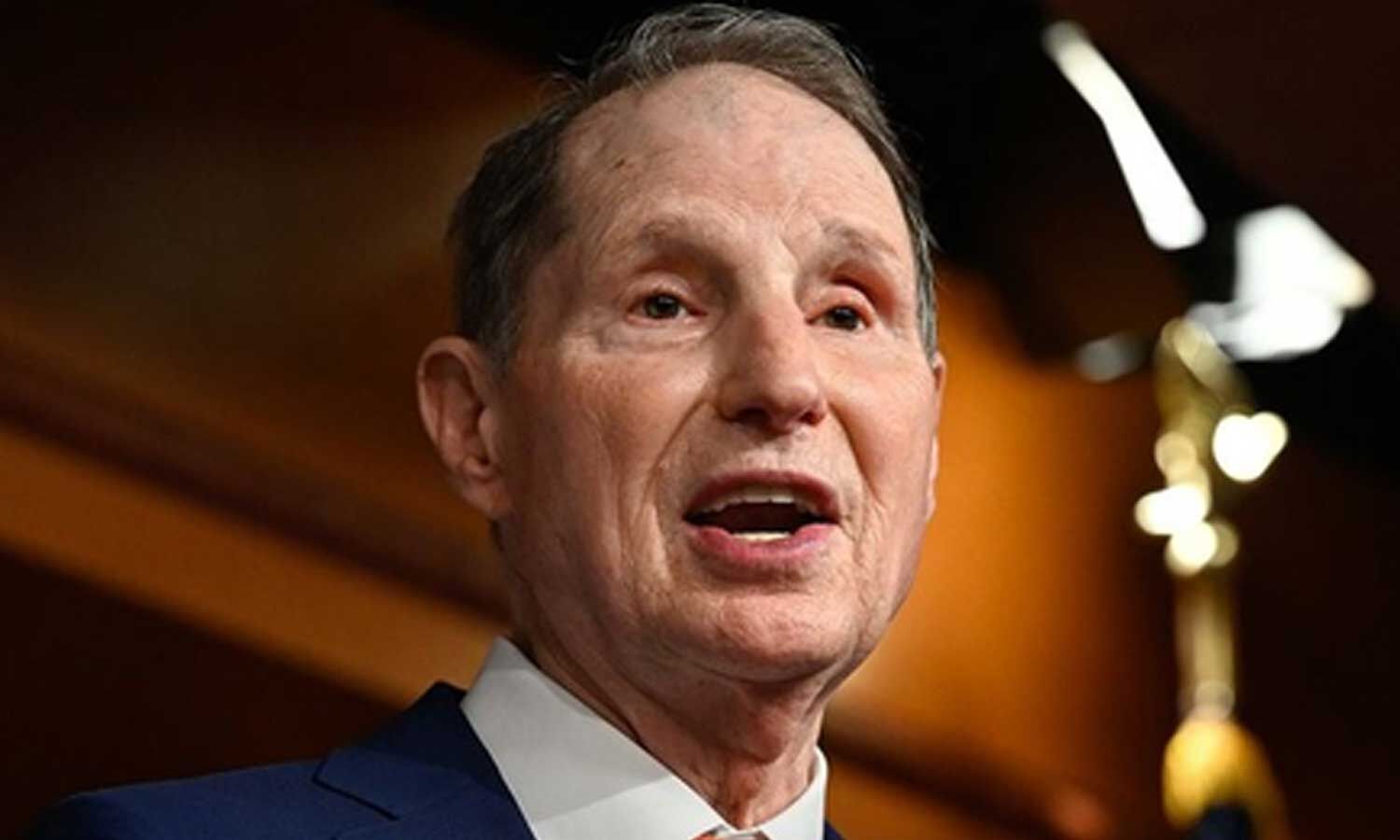
US lawmakers are worried that American technology and expertise could help foreign intelligence agencies.
Current rules restrict work with some military intelligence groups.
The lawmakers say similar protections do not fully cover civilian intelligence and security organisations.
Congress approved broader powers in 2022, but the rules needed to use them were not completed.
The lawmakers want the government to create a list of trusted countries.
Americans would need permission before working with intelligence agencies in countries not on that list.
They also want surveillance companies to reveal who their customers are.
The proposal would cover tools such as facial, gait and cardiac-signature recognition systems.

A bipartisan group of US lawmakers urged the Commerce Department to restrict Americans’ work with Chinese and Russian civilian intelligence agencies.
They said existing rules cover military intelligence agencies but leave civilian intelligence and security organisations outside similar controls.
Congress authorised broader controls in 2022, while implementation rules proposed by the Biden administration in 2024 were never finalised.
The lawmakers proposed a trusted-countries list and government licences for work involving intelligence agencies in other countries.
They also sought stronger safeguards for spyware, biometric surveillance, artificial intelligence and technologies that classify people by race, sex or ethnicity.
- Who
- A bipartisan group of US senators and representatives, including Ron Wyden, Peter Welch, John Cornyn, Pat Harrigan, Michael McCaul and Sara Jacobs.
- What
- They asked the Commerce Department to implement broader controls on Americans and companies working with foreign civilian intelligence and security agencies.
- Where
- The proposed restrictions would apply to US citizens, companies and technology involved in dealings with foreign intelligence and security agencies.
- When
- Congress authorised the broader controls in 2022; proposed implementation rules were issued in 2024 but were never finalised.
- Why
- The lawmakers said loopholes allow foreign adversaries to obtain American surveillance, cyber and artificial-intelligence tools and expertise for intelligence operations against US interests.
Key facts
- Requested action
- The Commerce Department should implement export-control provisions covering foreign civilian intelligence and security agencies.
- Countries highlighted
- China and Russia, along with other countries of concern.
- Existing controls
- Rules imposed in 2021 restrict dealings with certain foreign military intelligence agencies.
- Congressional authorization
- Congress authorised similar controls for civilian intelligence and security agencies in 2022.
- Unfinished regulations
- The Biden administration proposed implementing regulations in 2024, but they were never finalised.
- Trusted-countries proposal
- Americans would need a government licence to work with intelligence or security agencies in countries outside a trusted list.
- Technologies cited
- The lawmakers sought coverage for facial, gait and cardiac-signature recognition, as well as systems classifying people by race, sex or ethnicity.
Quotes
Bipartisan group of US lawmakers
US senators and representatives advocating expanded export controls.
“As a result, foreign intelligence agencies in many countries can still legally hire consultants in the United States and buy advanced U.S. surveillance, cyber, and artificial intelligence technology, for use in their intelligence operations to target Americans, and operate against American national security and foreign policy interests.”
 thehansindia.com
“Implementing these crucial enhancements to fully close this loophole is vital to preventing foreign adversaries from leveraging American tools and expertise against the US government, our citizens and strategic interests.”
thehansindia.com
Sources
Related news
Lawmakers Urge Trump to Ban Aid to Chinese Security Agencies
China targets US firms and drone exports after US restrictions

Trump-backed crypto firm backs AI venture offering restricted Chinese models

Trump administration drafts ban on Chinese data center components

U.S. Officials Accuse COSCO Ships of Concealed Military Spying
US Disrupts Chinese QTFY Botnet Targeting Critical Infrastructure
Pentagon Turmoil Deepens as Hegseth Tightens Grip on Military

Damaged Lohit River Bridge Cuts Off Arunachal Border Villages

Nepal Flood Exposes Delayed Alerts and Cross-Border Warning Gaps

Chinese Workers Fight Office Ageing With Parasols And Sunscreen
UPSC Key Covers SCO, Electoral Rolls, Economy, Defence and Climate