

0 months ago
Trump administration drafts ban on Chinese data center components

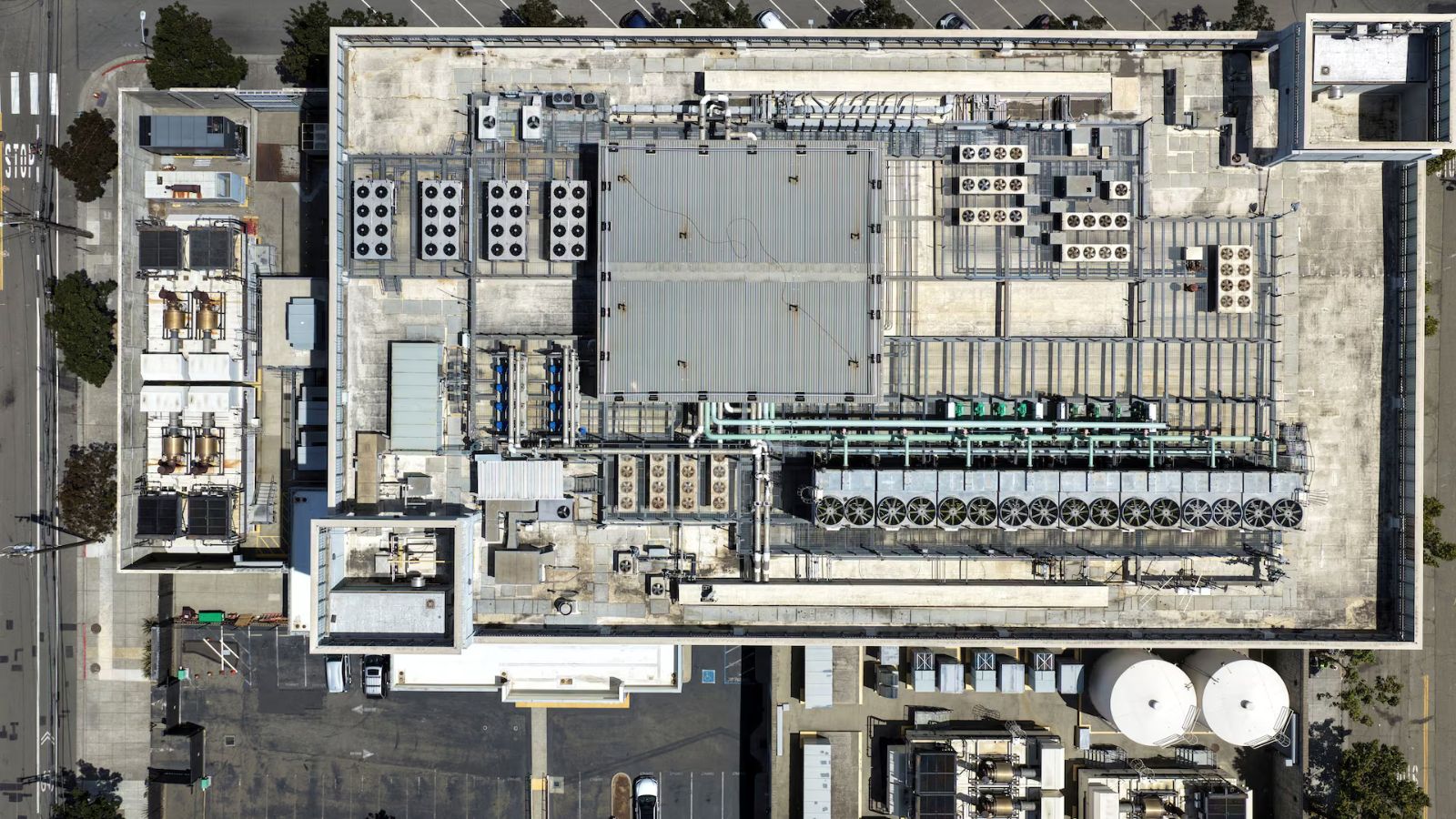
The United States government is thinking about stopping the purchase of certain computer parts made in China.
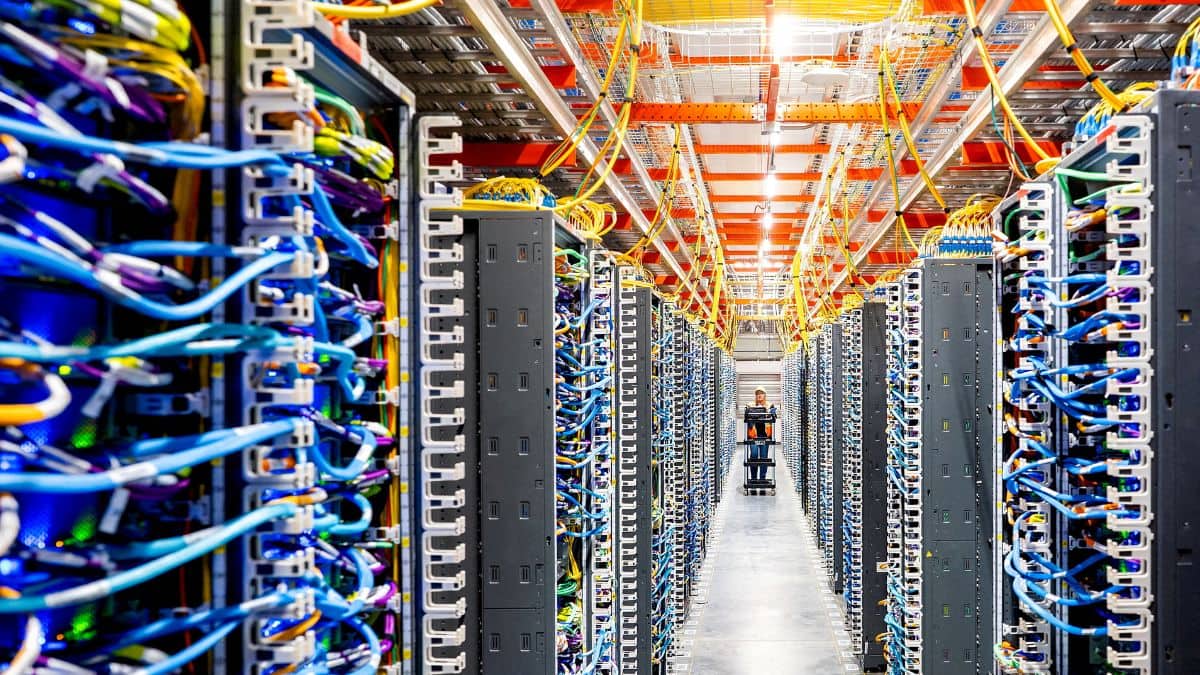
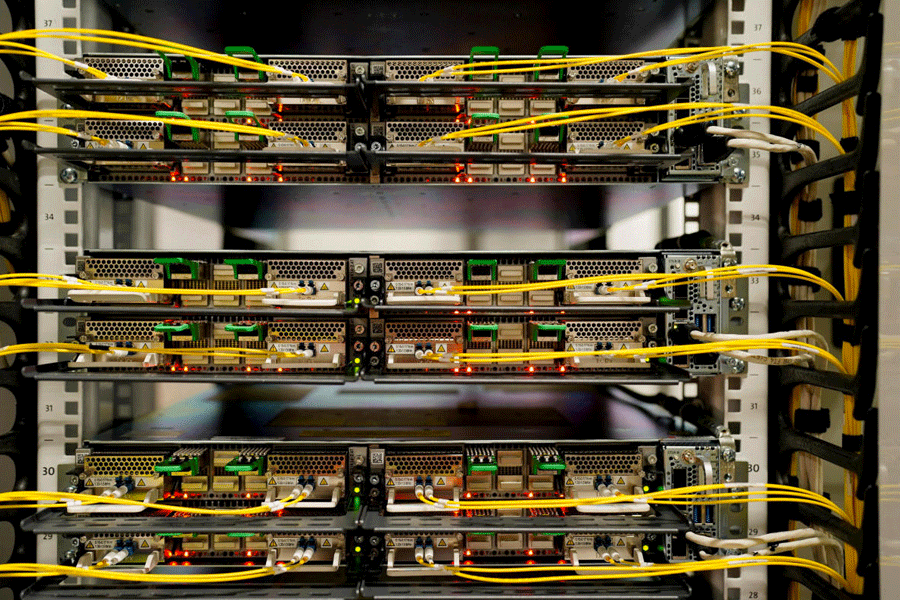
These parts, called optical transceivers, help computers inside giant buildings talk to each other very fast.
The buildings are called data centers, and they help teach smart computer programs called AI.
The government worries the Chinese-made parts could steal information or break the computers.
So it is working on a new rule to stop buying these new parts.
A Chinese company called Zhongji Innolight makes a lot of these parts, so it might lose business.
American companies that make similar parts are happy about the idea.
China says the United States is being unfair and will fight back if its interests are hurt.
The rule is not final yet, so things could still change.

The US Federal Communications Commission (FCC) is drafting a ban on imports of new Chinese optical transceivers used in data centers.
The measure aims to prevent Chinese firms from stealing data, installing malware, or disrupting service at US data centers powering AI.
China's Zhongji Innolight, a leading transceiver seller with 27% of the global market, was added to the Pentagon's list of alleged Chinese military-backed companies in June.
Shares of US transceiver makers Lumentum, Coherent, and Applied Optoelectronics rose 7%, 11%, and 18% on the news.
China's embassy said Beijing will take all necessary measures against any action that materially harms its interests.
- Who
- The Trump administration and the Federal Communications Commission (FCC)
- What
- Drafting a ban on US imports of new Chinese optical transceivers, the data center components that carry data over fiber-optic cables
- Where
- United States, targeting imports of equipment from China
- When
- The FCC hopes to publish the measure this year; the plan was reported by Reuters based on four sources familiar with the matter
- Why
- To prevent Chinese firms from stealing data, installing malware, or disrupting service at US data centers that house chips used to train and run AI models
FCC and US Security Advocates
China and Industry Critics
The proposed transceiver ban
FCC and US Security Advocates
FCC and administration officials view Chinese transceivers as a security risk and want to bar new models before they become embedded in US supply chains, avoiding a repeat of the slow and costly effort to remove Huawei equipment.
China and Industry Critics
China's embassy says the US is 'smearing' Chinese companies and threatening them with sanctions; it urges Washington to heed business community voices and warns China will take all necessary measures against any action that materially harms its interests.
Impact on the technology supply chain
FCC and US Security Advocates
The ban protects the data center infrastructure underpinning the AI boom and benefits US transceiver makers such as Coherent, Lumentum, and Applied Optoelectronics.
China and Industry Critics
Critics note the ban could raise costs for American cloud firms like Amazon Web Services (AWS), since US producers sell competitive technology but lack the scale to replace Chinese vendors such as Zhongji Innolight.
Key facts
- Regulatory agency
- Federal Communications Commission (FCC)
- Target
- New models of Chinese optical transceivers
- Stated rationale
- Prevent data theft, malware installation, and service disruption at US data centers
- Affected company
- Zhongji Innolight (27% global market share; around 90% of revenue from outside China)
- US stock gainers
- Lumentum +7%, Coherent +11%, Applied Optoelectronics +18%
- Related FCC restrictions
- Chinese drones, routers, robots, and inverters
- Related development
- Commerce Department shelved some China import restrictions in February after a trade détente
- Status
- Not final; FCC could modify or shelve the restriction
Quotes

Chinese embassy in Washington
Official statement from the Chinese embassy in Washington
“"China will take all necessary measures in response to any action that causes material harm to its interests."”
 indianexpress.com
“"smearing" Chinese companies and threatening them with sanctions.”
 firstpost.com
Divyansh Kaushik
AI policy expert at Washington, D.C., advisory firm Beacon Global Strategies
“"Transceivers definitely pose a risk," said Divyansh Kaushik, an AI policy expert at Washington, D.C., advisory firm Beacon Global Strategies. "As the data center buildout scales up, you want to make sure the data center supply chain is secure from the get-go," he added.”
indianexpress.com
 telegraphindia.com
Sources
Related news
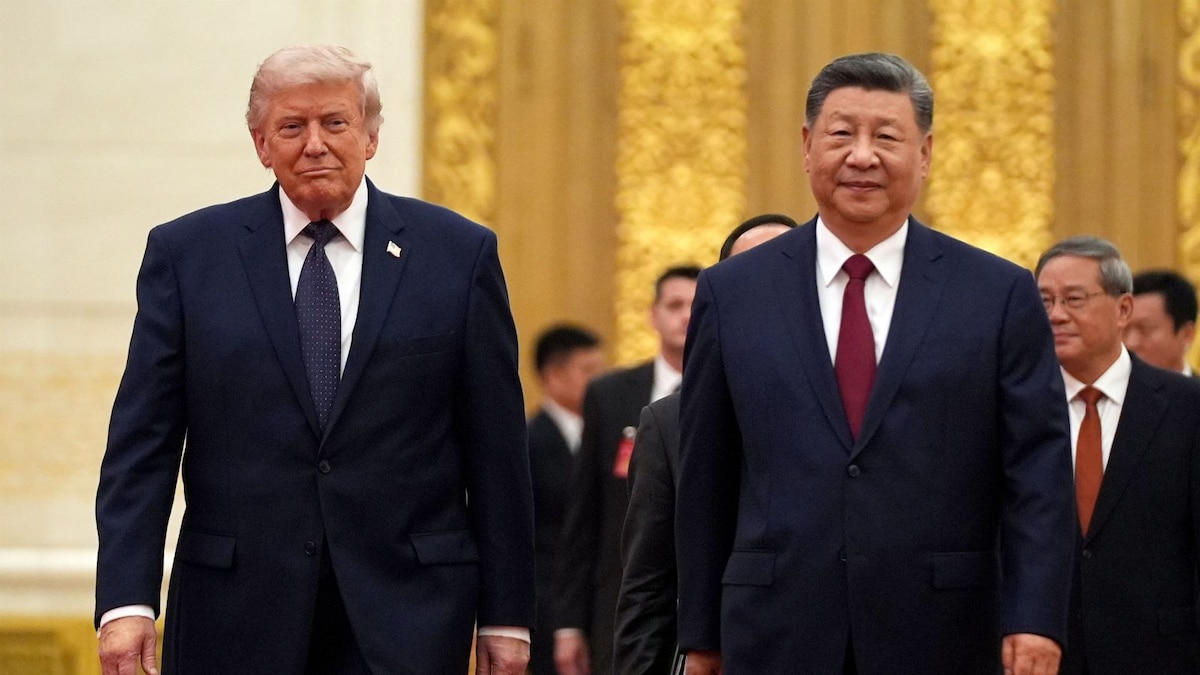
China targets US firms and drone exports after US restrictions

Trump Orders Restrictions on Foreign Equipment in US Power Grid

Trump administration weighs chip tariffs amid AI industry warnings
Trump Administration Weighs New Tariffs on Semiconductor Technology
Xi’s Foreign Tour Pitches China’s Leadership Ahead of Trump Meeting
China Challenges US Leadership in Escalating Global AI Contest
Huawei Opens Preorders for Tri-Fold Mate XT 2 in China
Apple and Huawei Prepare Foldable Smartphone Showdown This September

Memory Crisis Threatens Cheap Phones as Smartphone Prices Stay High
